SAADIYA

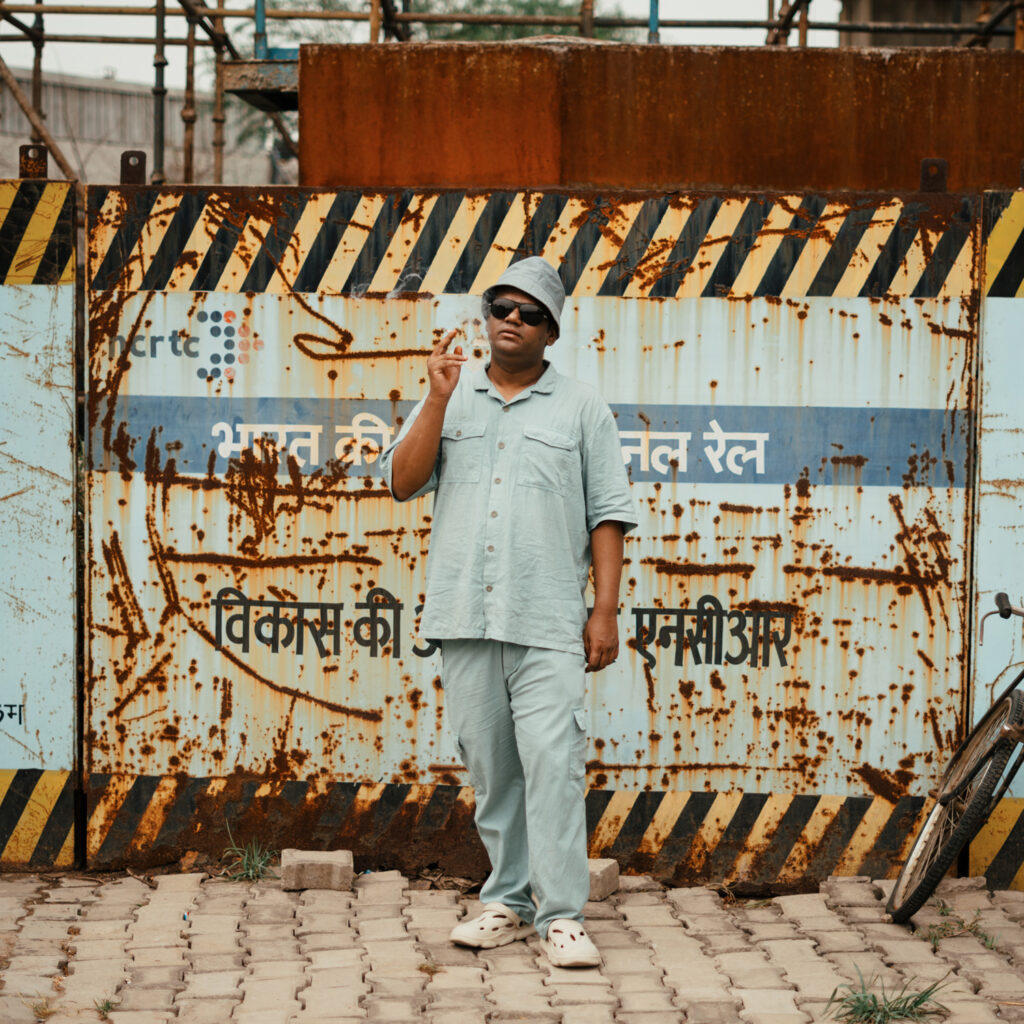
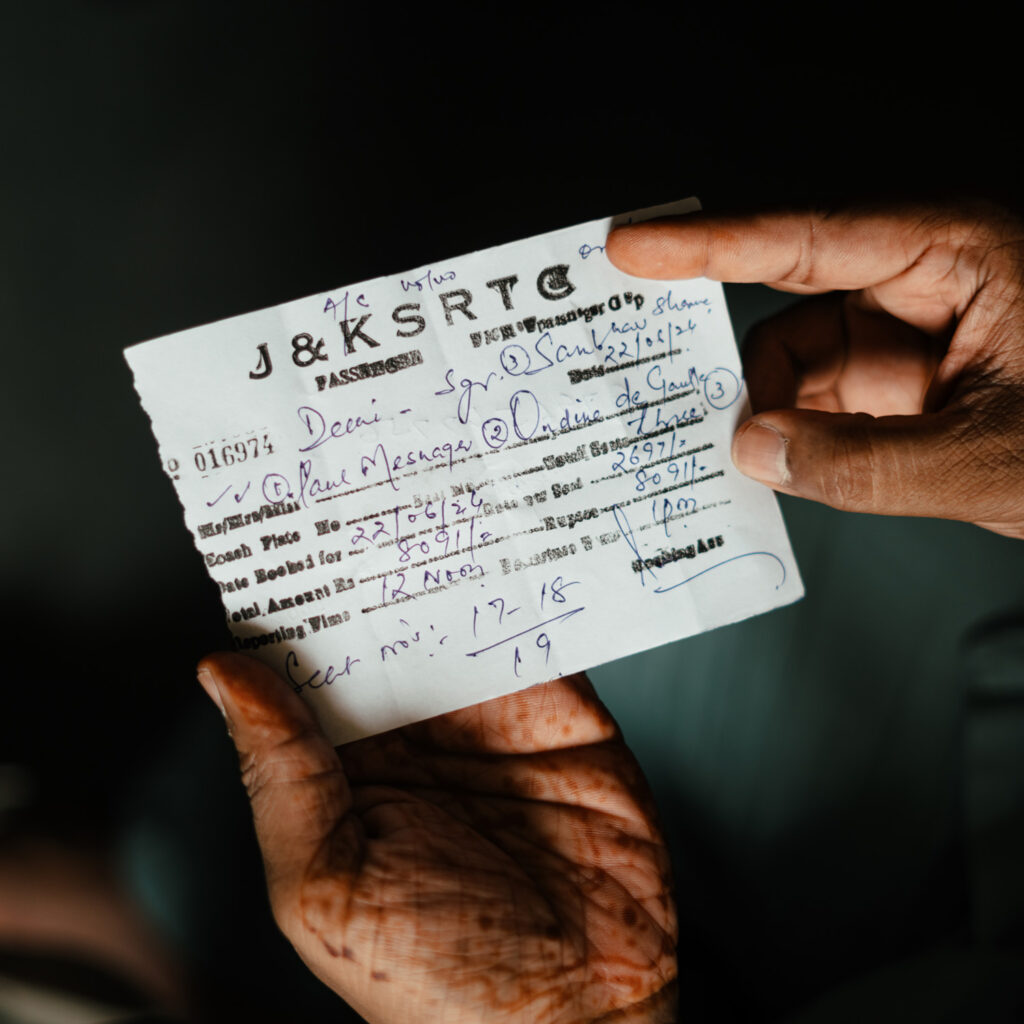
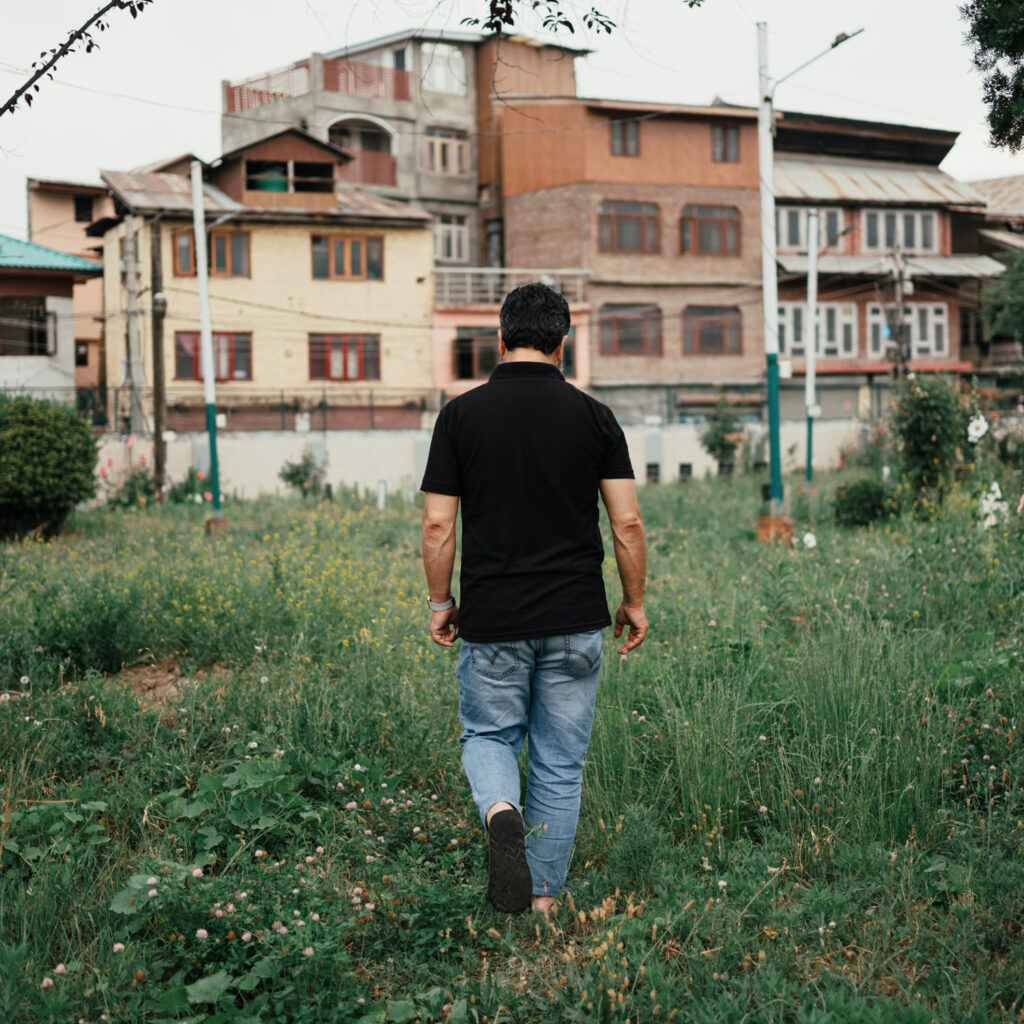
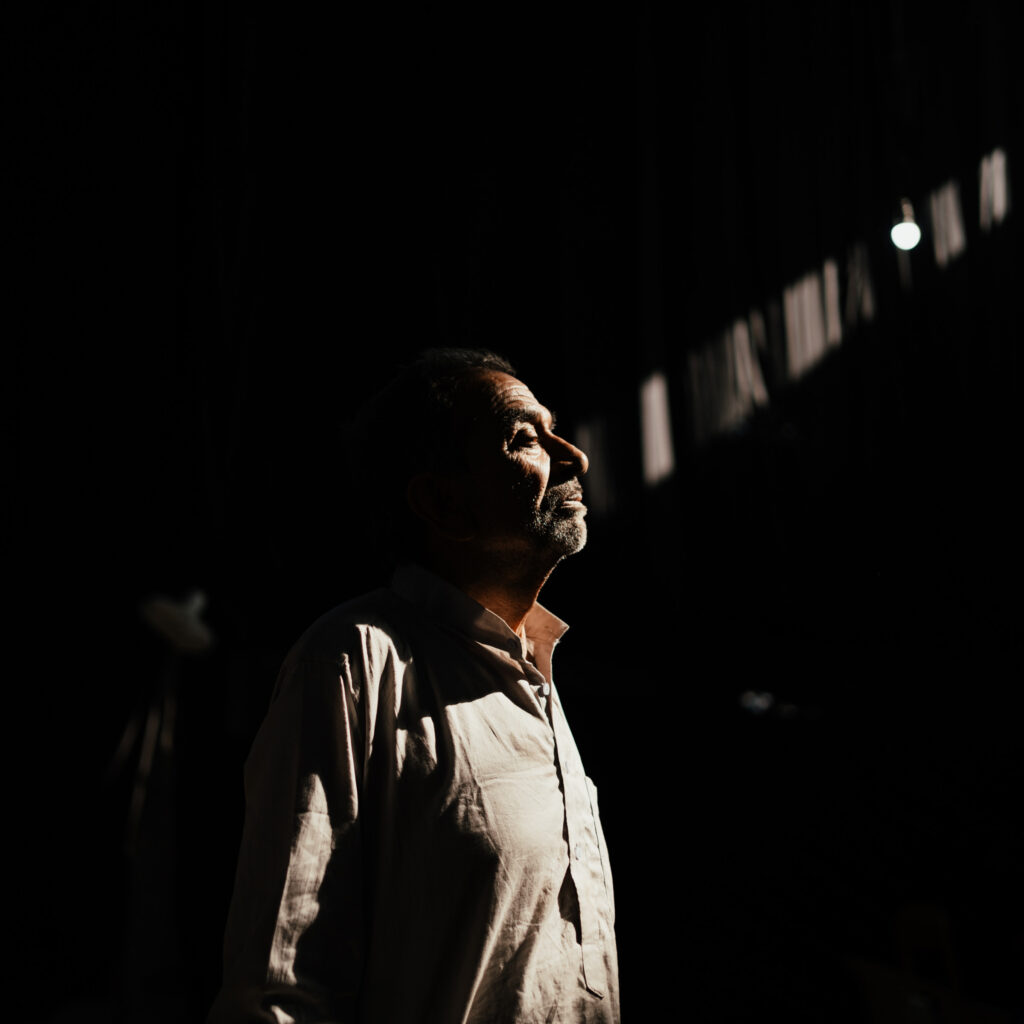
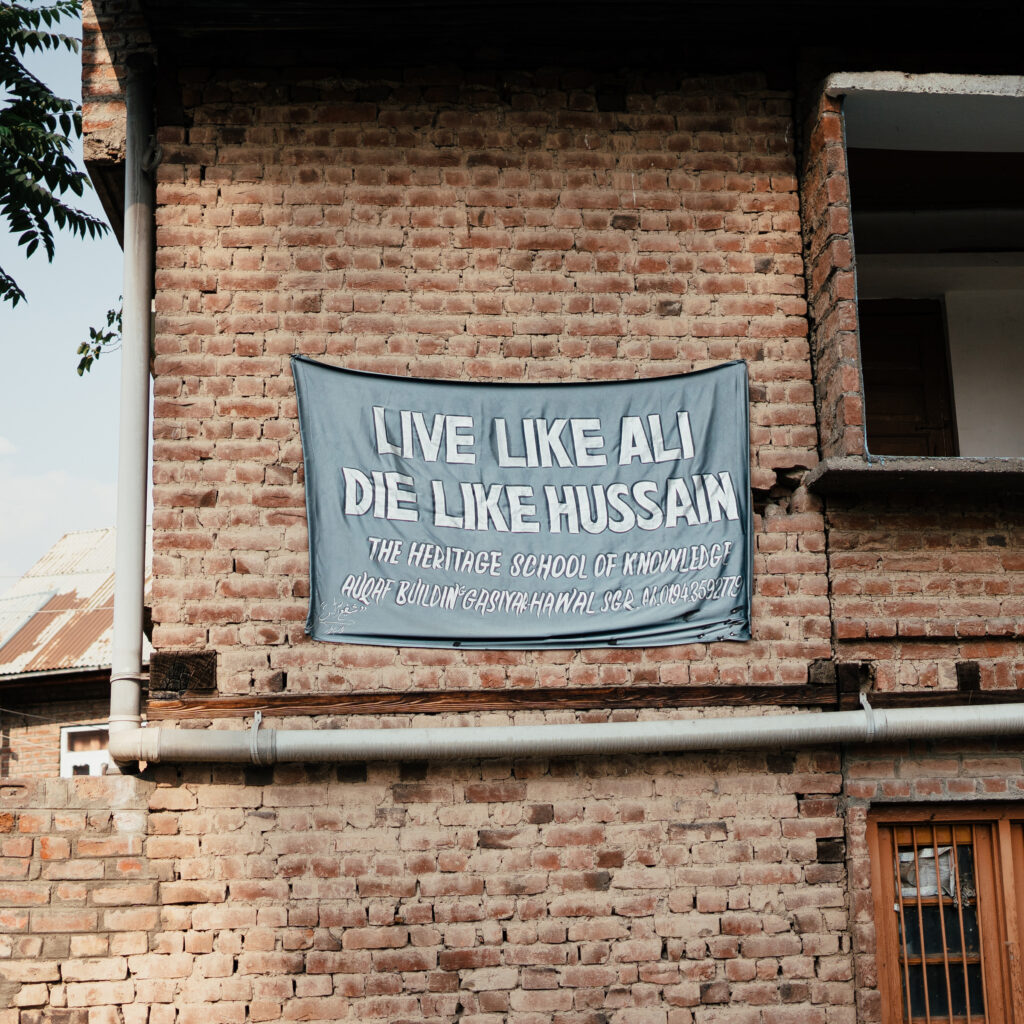
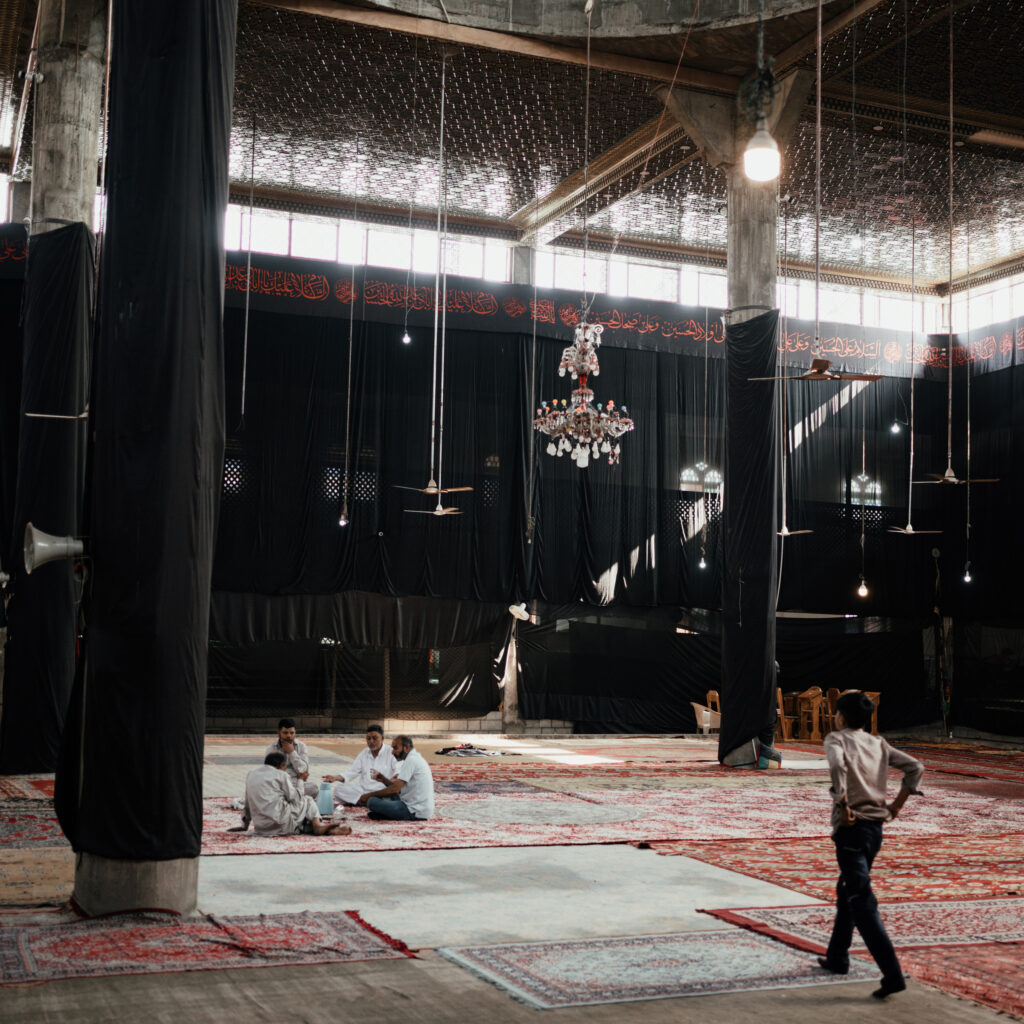
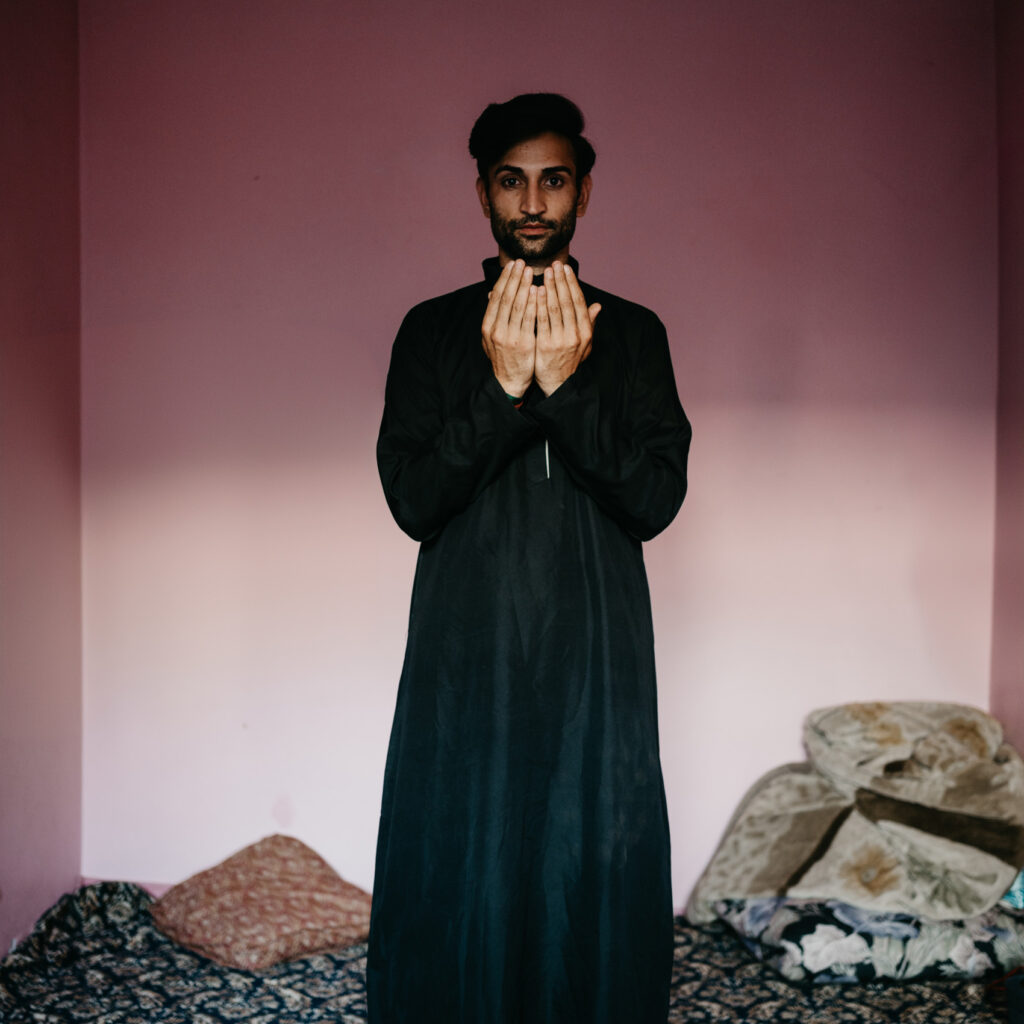
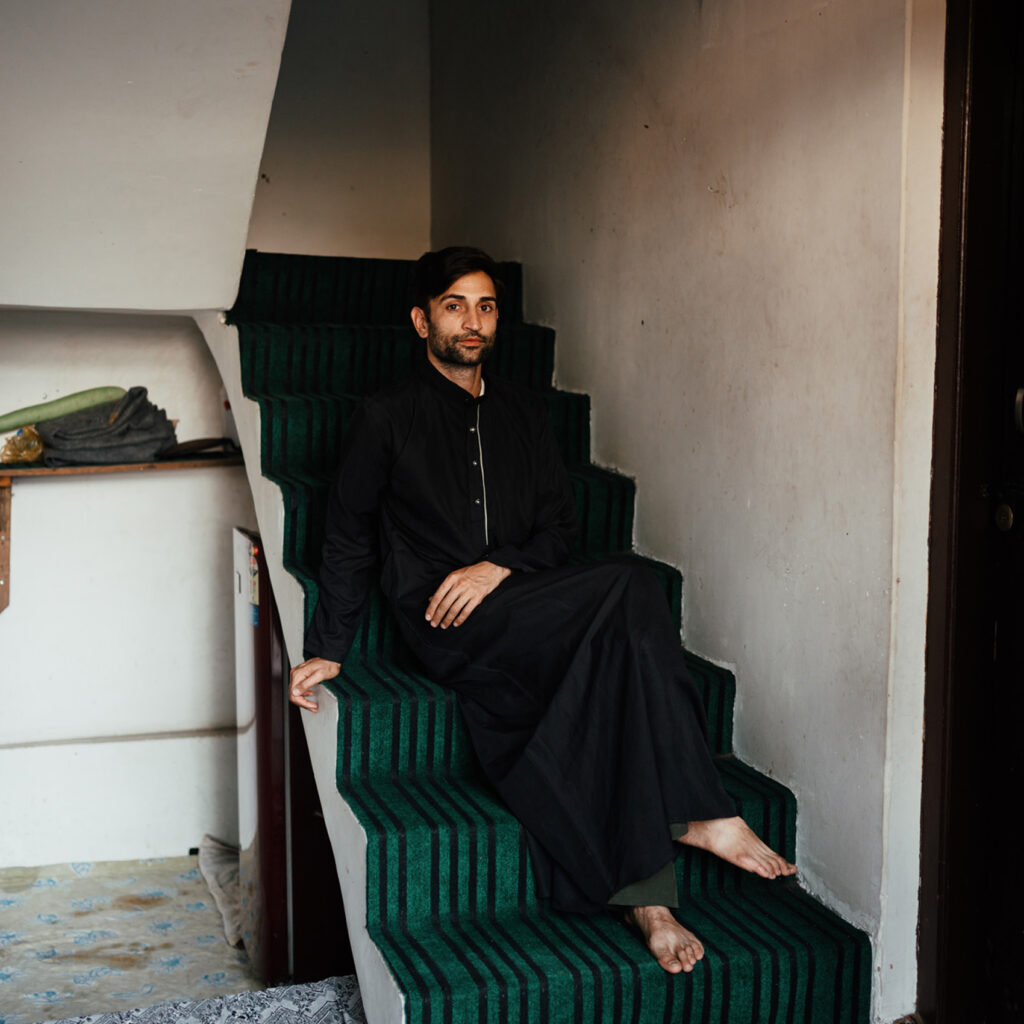
Photographer Paul Mesnager and reporter Ondine de Gaulle met Sadiya, the main protagonist of this story, at her family home in Old Delhi. Since her conversion to Shia Islam, Sadiya has been organizing guided tours of Delhi’s old city, seeking to raise awareness of the religion’s history in a context where Muslims have been repeatedly persecuted by the Hindu nationalist government. As they share a meal of homemade lamb, Sadiya tells the story of her lost lover, Souhail, who was killed in crossfire in Kashmir. For years, she traveled to Kashmir to honor his memory and visit his grave — something she has been unable to do since 2019, following the revocation of Jammu and Kashmir’s autonomy. Now longing to return, Sadiya invites Paul to accompany her. The trip becomes a journey of initiation.

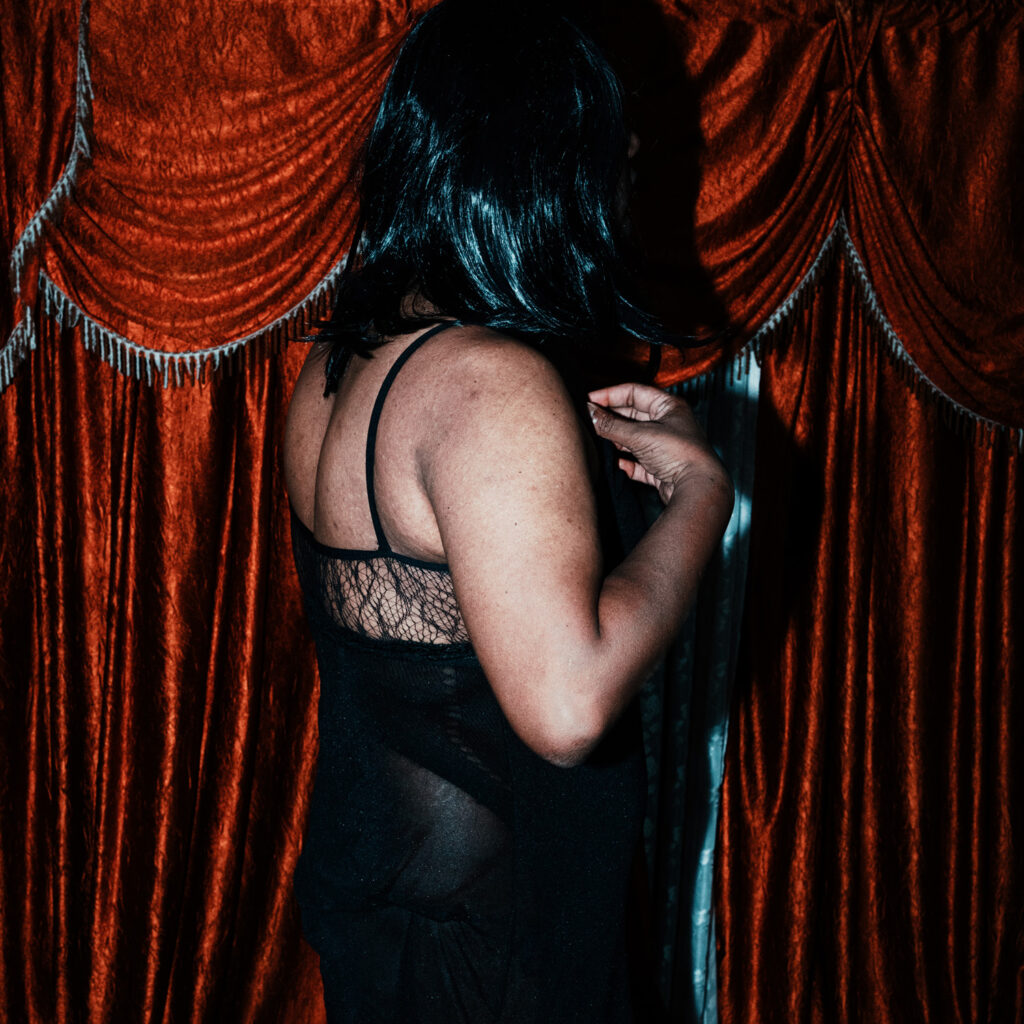
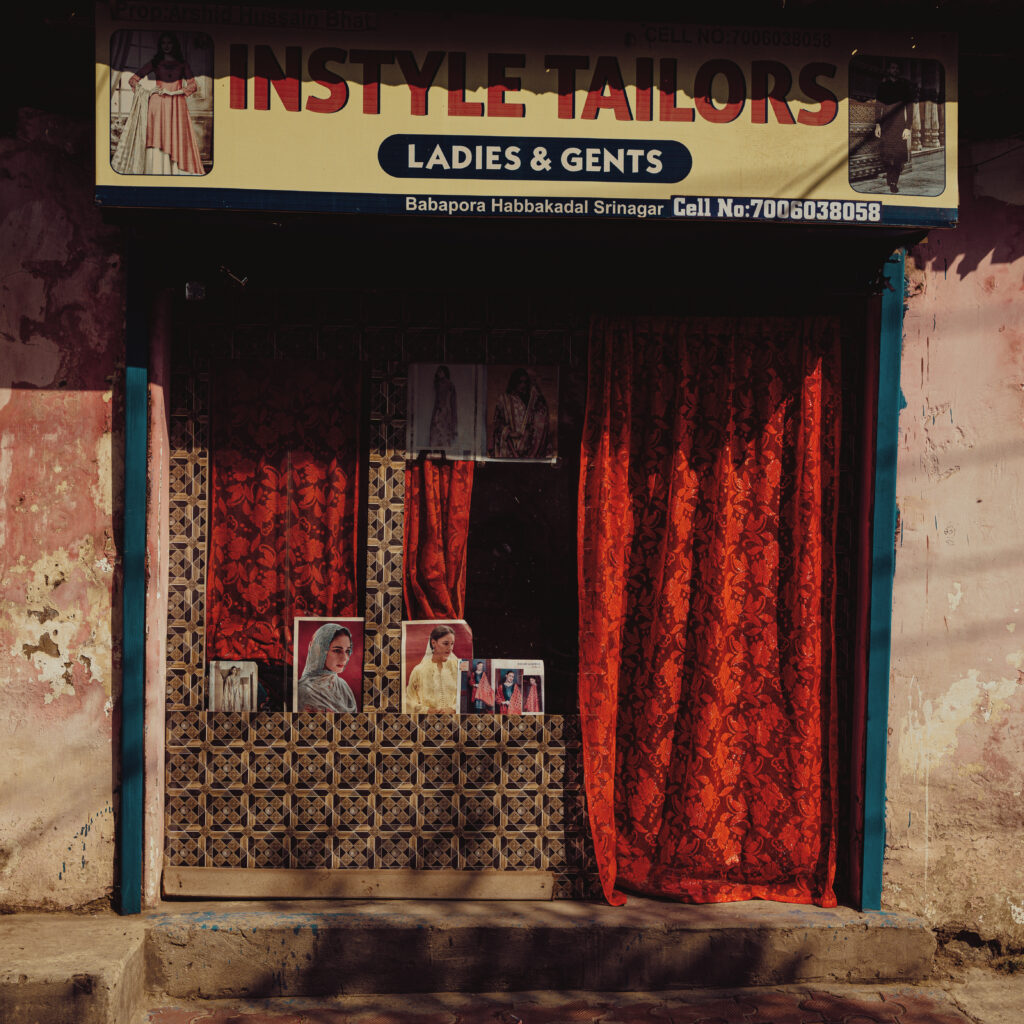
By retracing the steps of her love life and revisiting the sacred sites of Shia Islam and the queer community in Kashmir, Sadiya comes to affirm her gender as a woman. Today, she has begun her medical transition. It is a deeply personal story that quietly raises other questions: how can desire find safe spaces within a fraught political landscape? The red velvet curtain of the loveboat becomes both a symbol of gender acceptance and the freedom to follow one’s desire. This is the story Sadiya and Paul tell together through words and images.

“I never expected to fall in love with a Muslim man from Kashmir. But it happened, and it took me completely by surprise. His name was Souhail. We met on Yahoo Messenger. He was the man who taught me how to love. He helped me realize that people like me existed, and that we could live openly as queer people. Our friendship grew stronger, and so did our relationship. At that time, we wrote love letters to one another.

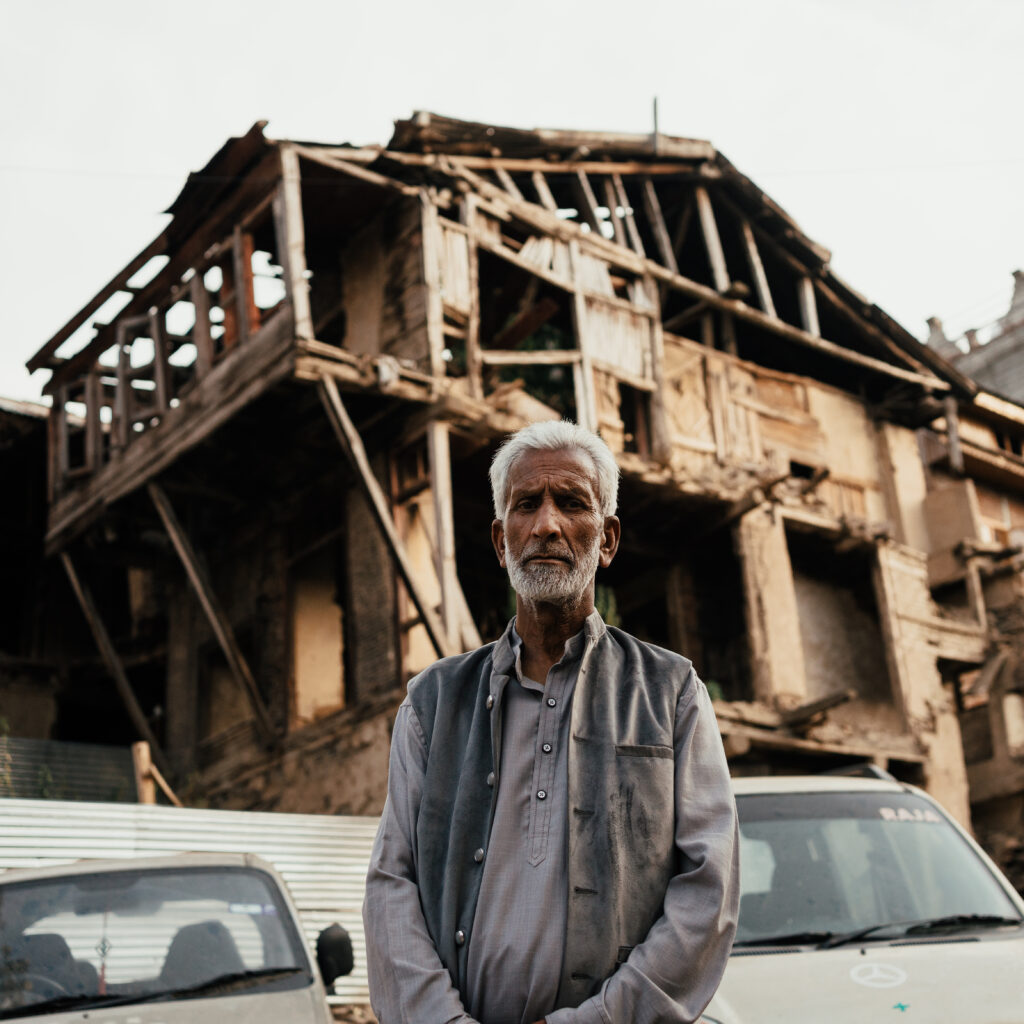
One day, his dad found one of those letters. His was a very traditional Sunni family, and seeing each other became more complicated. My first visit to Srinagar was in 2005. But everything changed in 2008, when a protest erupted against the allocation of 40 hectares (99 acres) of forest land to the Shri Amarnathji Shrine Board to support the Hindu Amarnath pilgrimage. The protests were met with violence, resulting in dozens of deaths. On June 23, a week before my birthday, Souhail was shot. He simply crossed the wrong street at the wrong time, caught in a gunfire exchange.

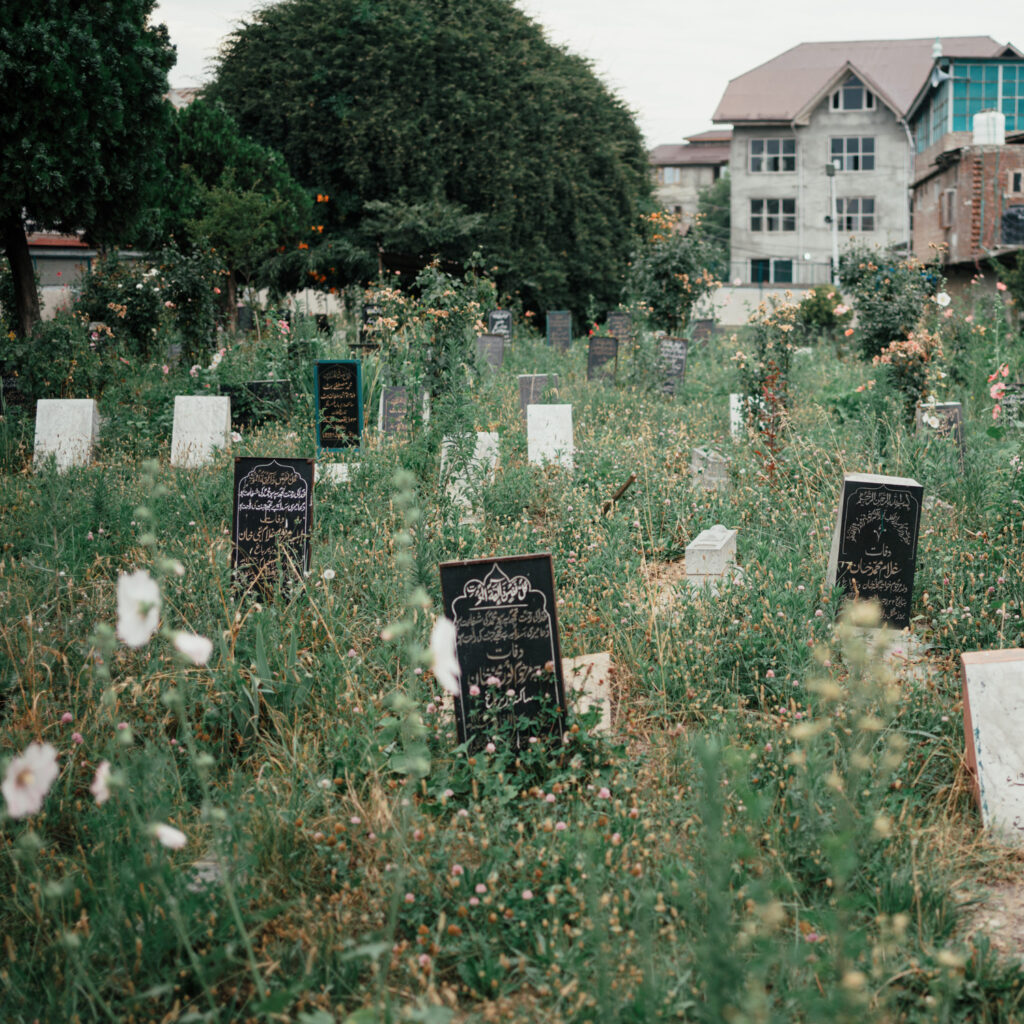
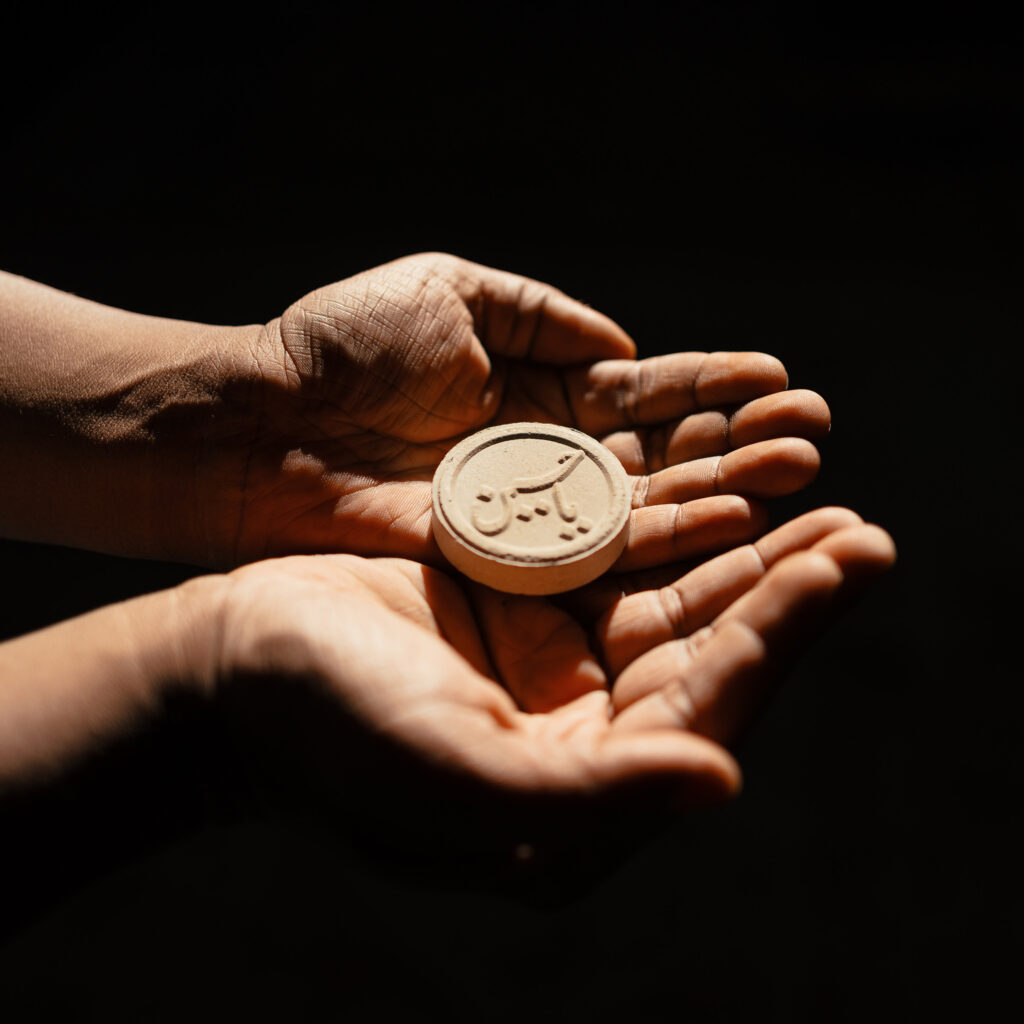
It took me three days to process what had happened. When I arrived to Srinagar, the first thing I did was eat the earth from his grave. Every time I climb the hill to the mausoleum of Makhdoom Sahab, a 16th century Sufi mystic, I remember. Souhail had once called me crying on the steps of this shrine to say: “My father discovered our relationship. He wants me to do penance. But you should know that I will always be with you.” He died on the way to the hospital.

My life seems punctuated by these political events and the trauma they’ve caused. Everyone I meet in Kashmir has a story — a brother, a son, someone they’ve lost. I know my lover is dead, I’ve seen his grave. But I have this need to come and talk to him, to tell him what I’m experiencing, to give an account of my life. Each summer, around my birthday, I travel to Kashmir to visit his grave. I honor our time together with my queer brothers and sisters from there, keeping his memory alive. It became a ritual. But I haven’t been able to go since 2019. I made a promise at his grave: to create a family here in Kashmir.”

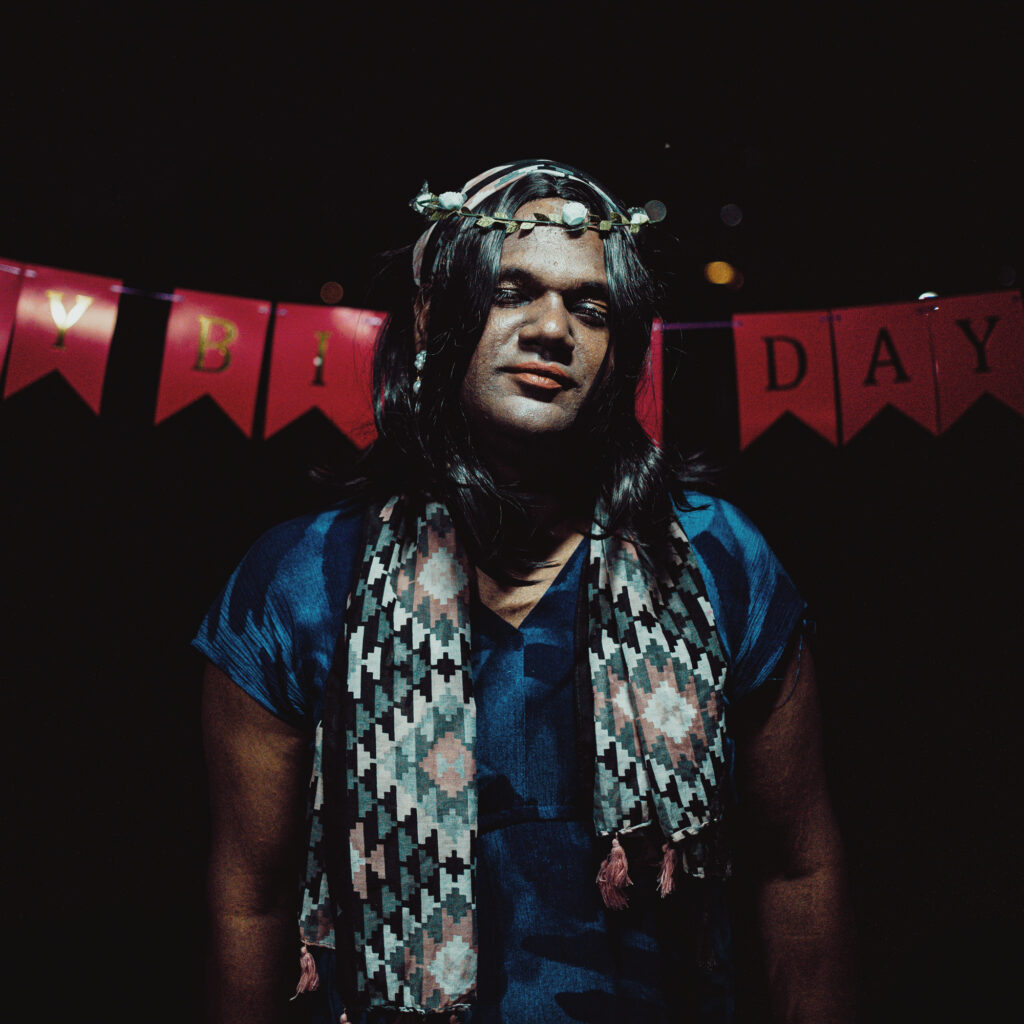
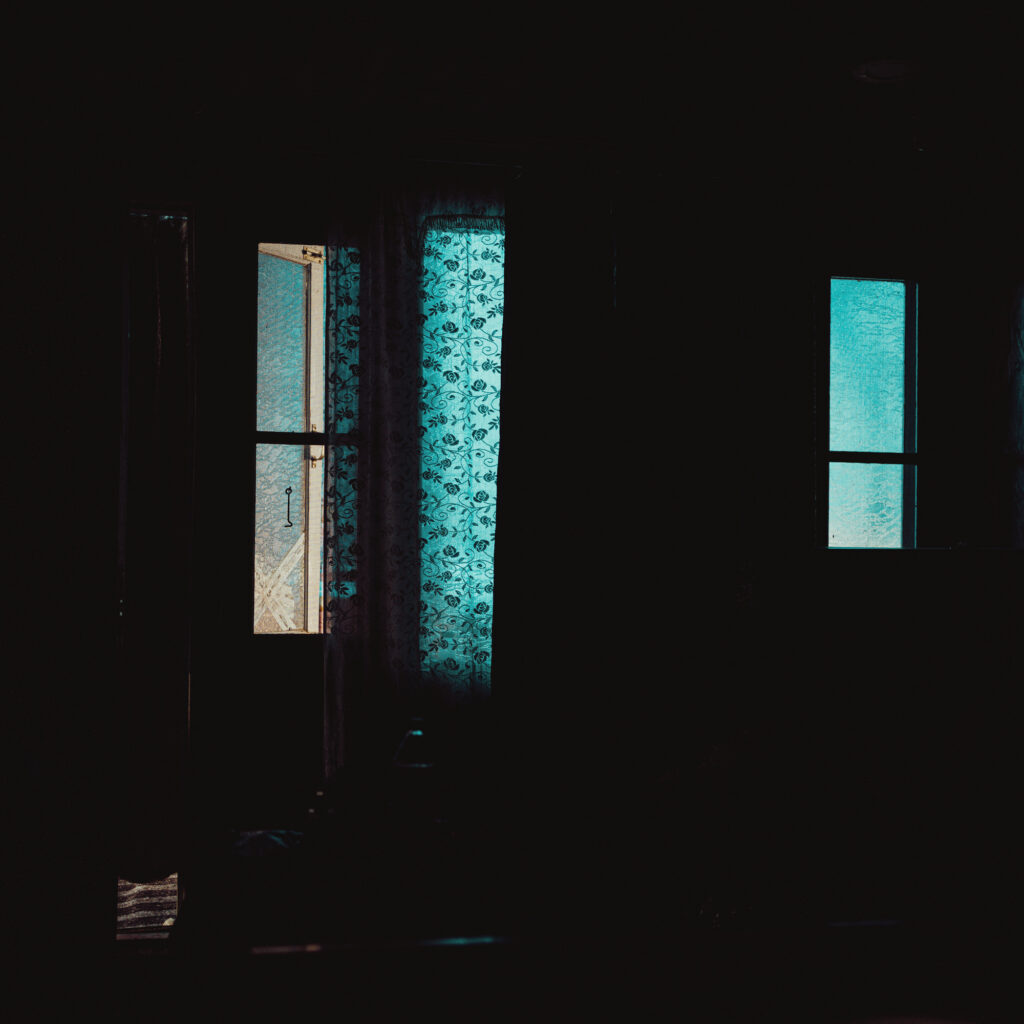
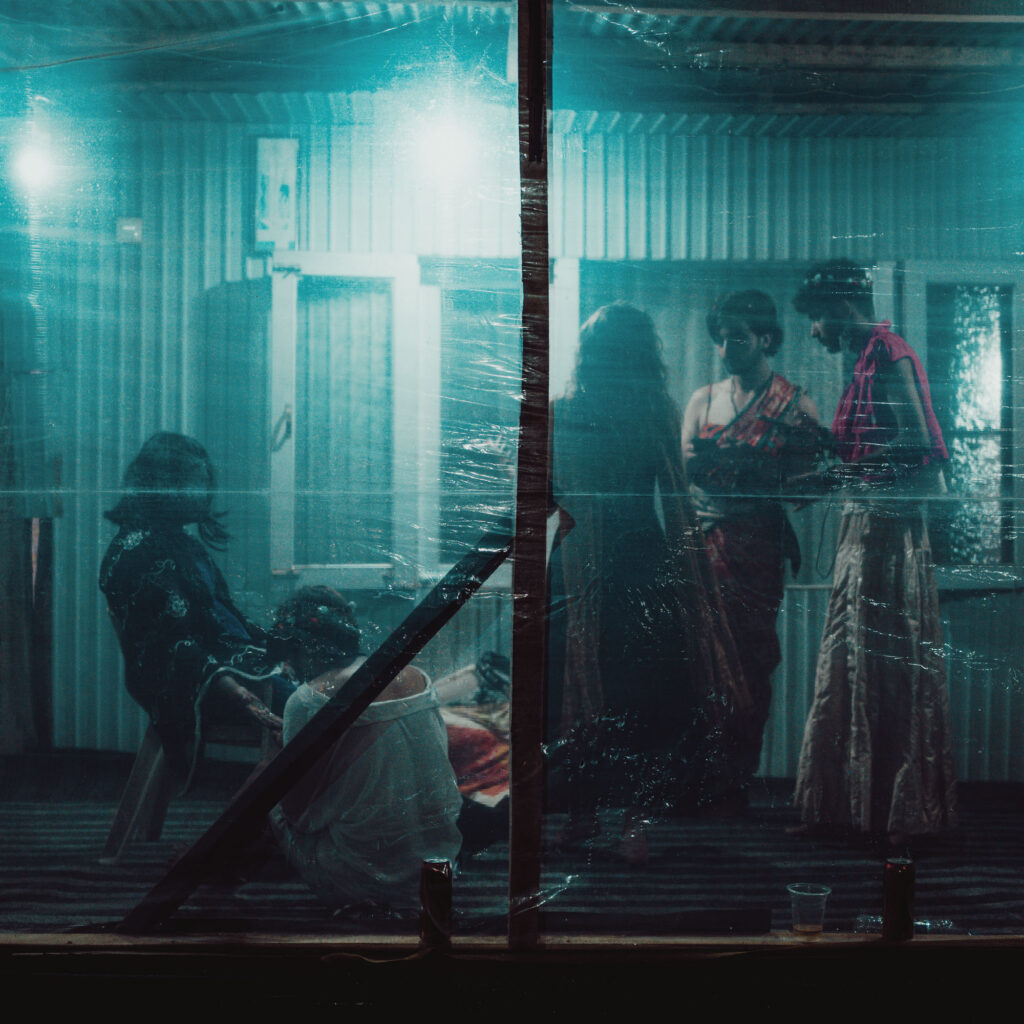
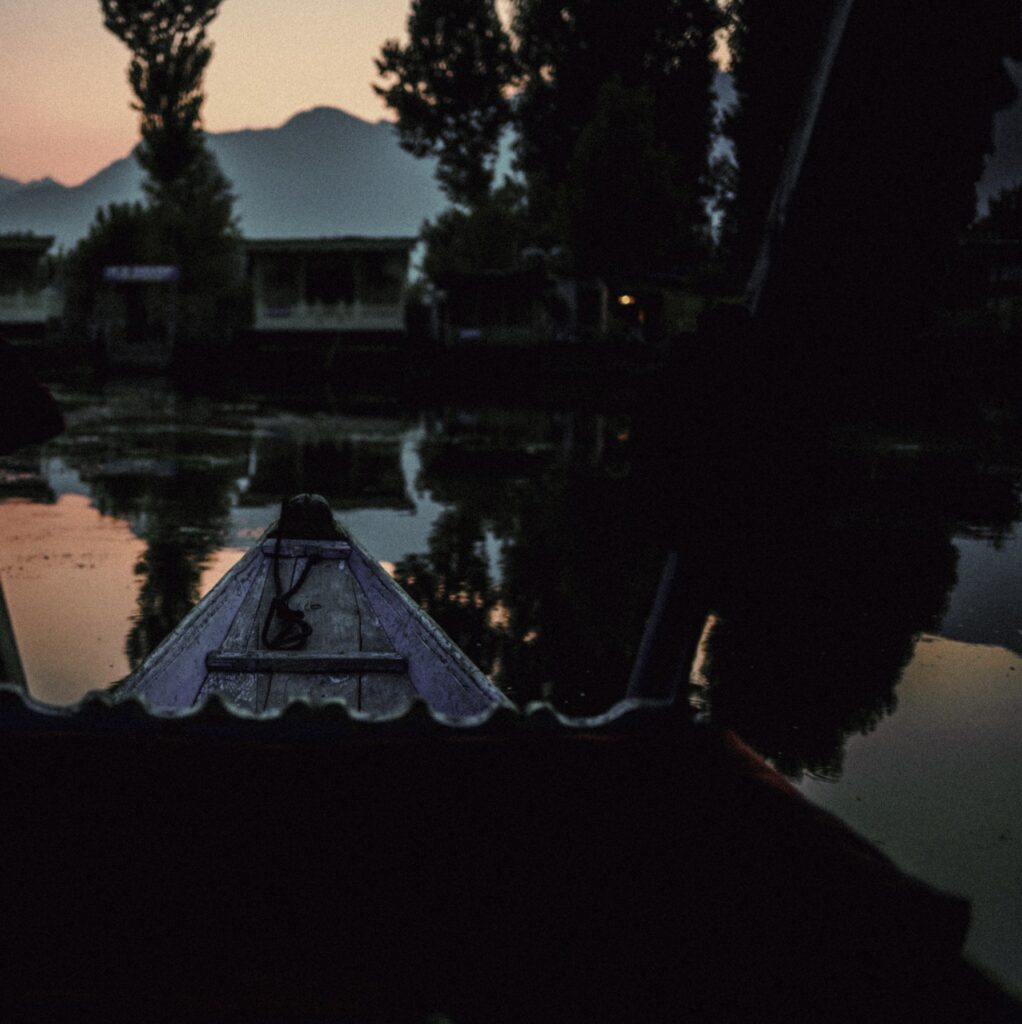
Upon arriving in Srinagar, Sadiya and Paul decided to stay in a houseboat on Dal Lake, in the heart of the city. The region’s famous floating homes trace their origin to the late 19th century, when British visitors built elaborately carved cedarwood boats as dwellings. Some of these floating dwellings are safe havens for Sadiya and the queer members of Srinagar. In this protected setting, Sadiya asked Paul to photograph her for her Hinge profile. In the intimacy of their improvised studio, she put on her garter belt, a slip, and a wig.

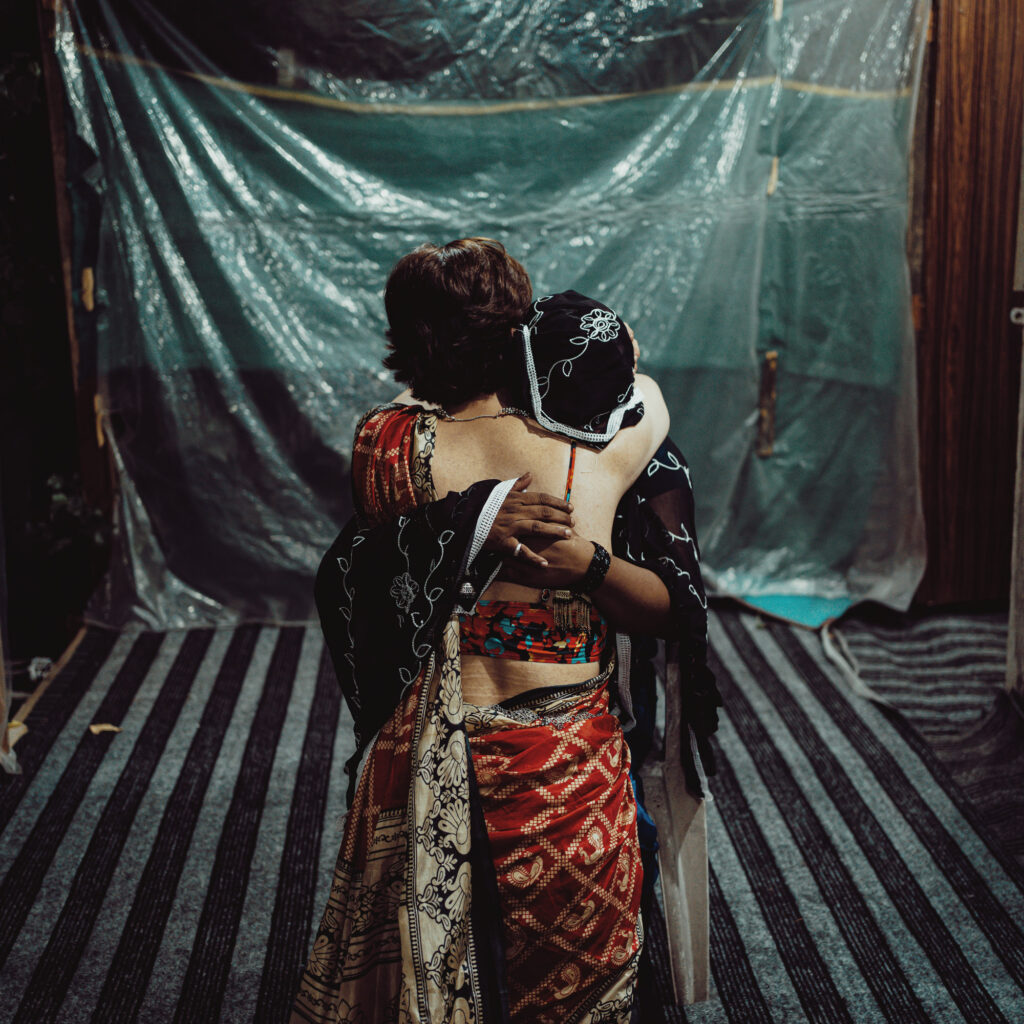
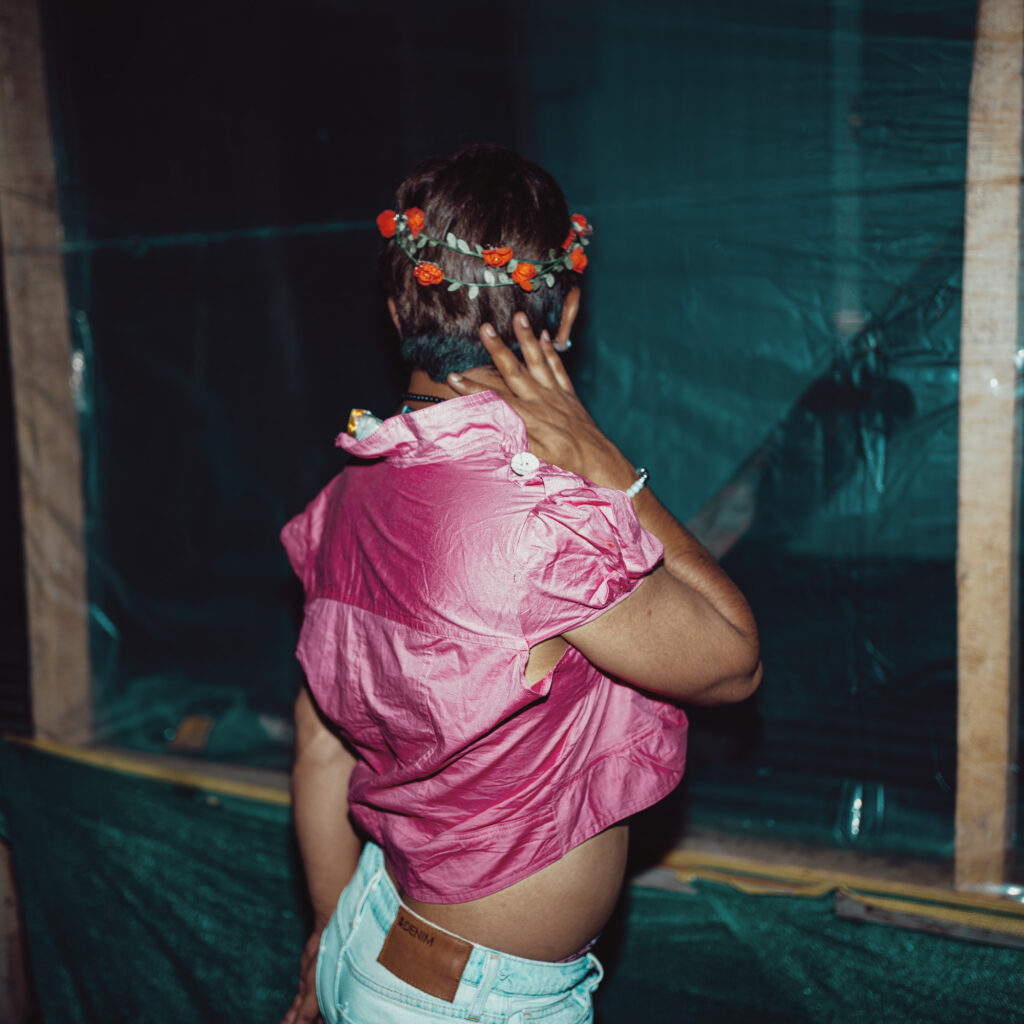
For the first time, she presented herself in feminine attire in front of strangers. This vulnerable and intimate photoshoot marked a symbolic milestone in both her relationship with Paul and in her gender affirmation. On their final evening, they rented an open-air houseboat to celebrate Sadiya’s birthday. That night, Sadiya presented herself as a woman for the first time in public. Members of the Muslim and LGBT communities she had befriended, performed a ritual inspired by Kashmiri wedding ceremonies to welcome her into their community.

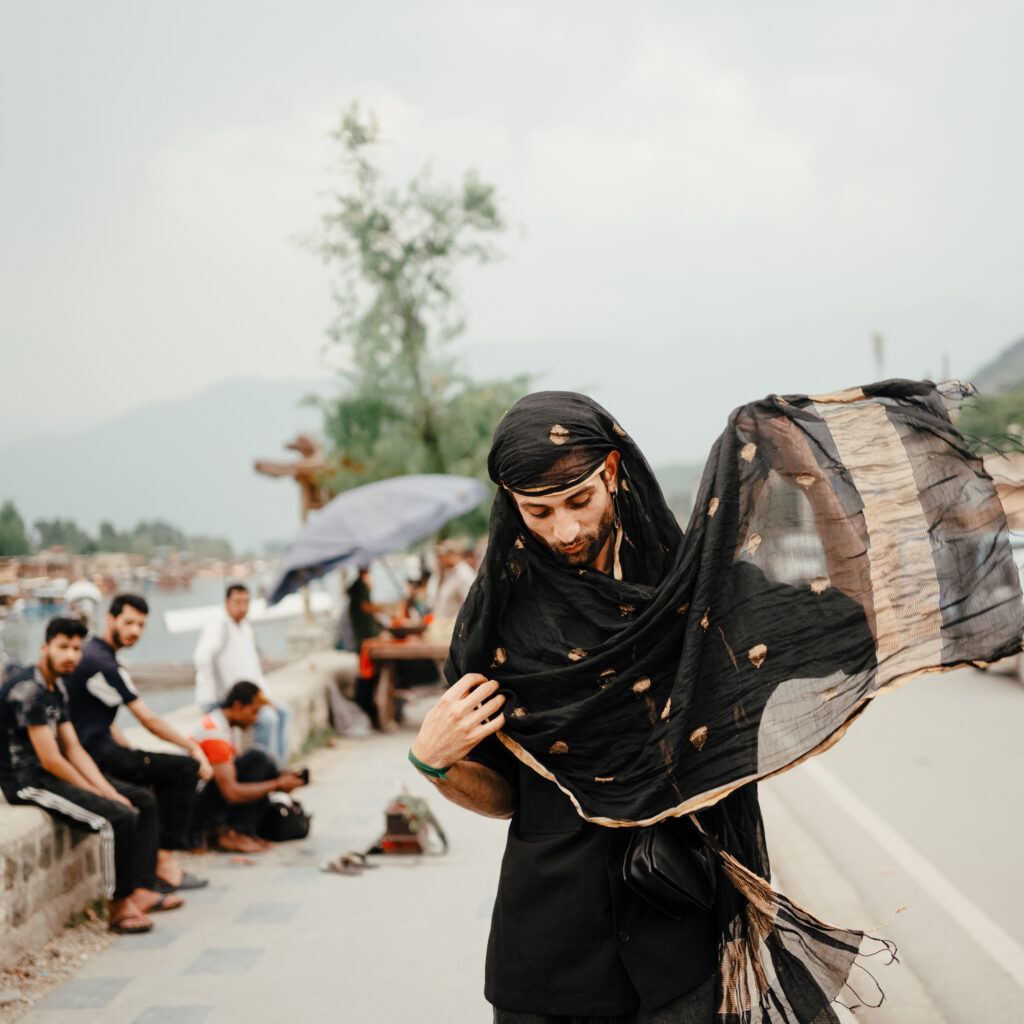
“That night, my sisters sang a traditional Kashmiri wedding song performed by women. I immediately started to cry, and my friend — my sister — took me in her arms. It is a precious memory. I’m glad to be able to exist within my families: my Kashmiri family, my transgender family, and my biological family in Delhi. As I write this, seven months have passed, and I am about to take part in the formal guru-chela ceremony, where my Kashmiri hijra guru (a transgender mentor) will place a dupatta (veil) over my head and make me her chela (disciple).

This ceremony is usually reserved for the transgender community in Kashmir, but after hearing my story and recognizing me as the widow of a Kashmiri martyr, my guru said she already considered me as part of the community. In Delhi, my family has finally come to accept me. Even my grandmother started to attend Pride marches every year, which led to her appearance on a very popular TV show called Satyamev Jayate, which is hosted by Aamir Khan, to talk about her experience as the grandmother of queer grandchildren and what family acceptance truly means. Today, we hope that our queer sisters — especially among the Bahujans (a term for several marginalized caste groups whose name means “the majority”) — will continue to lead the movement for intersectional justice.”

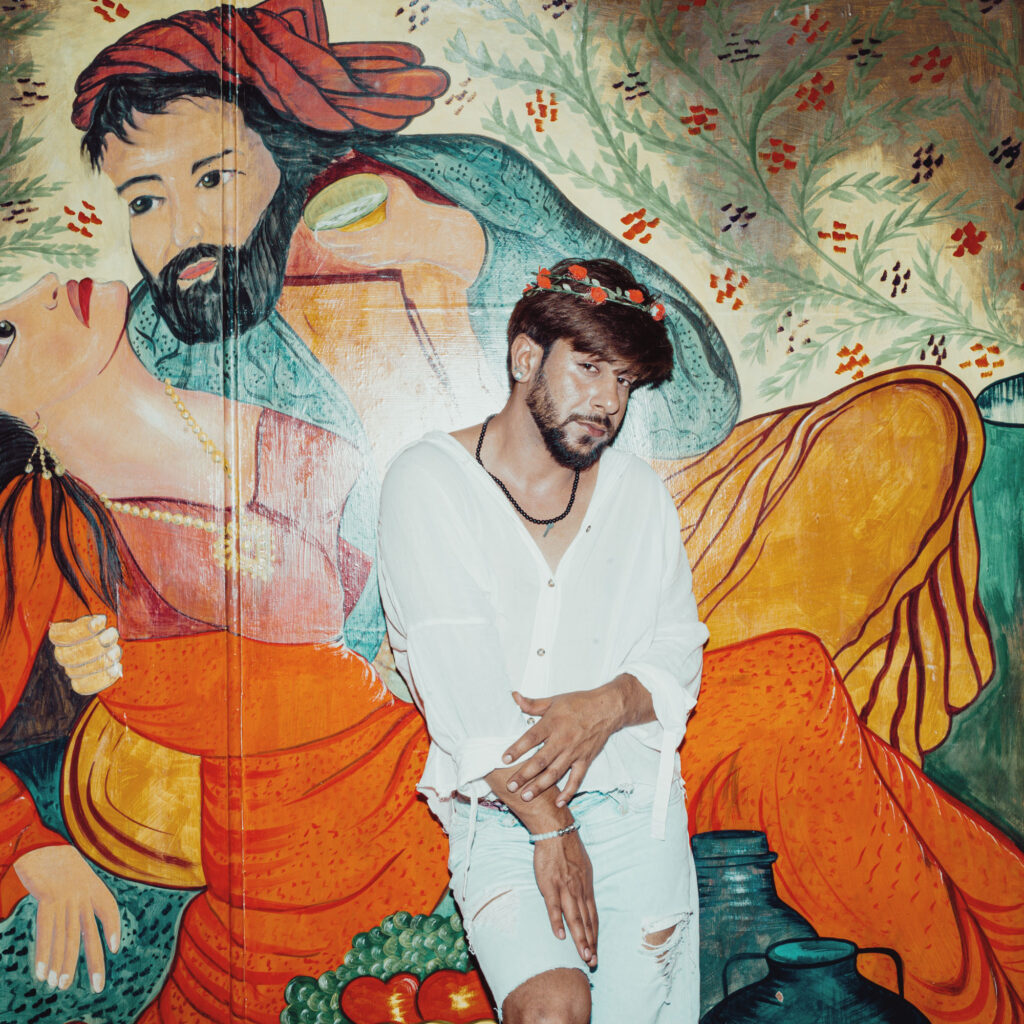
At sunrise, a shikara approaches the loveboat, its driver offering a tour of the lake. Sadiya sits in the front, beside him. On the way back, the driver accepts her invitation back to her room, where the walls are adorned with paintings inspired by Persian Sufi poems celebrating wine, desire, and love.

ROHAN

What does it mean to be young and hyperconnected in a conservative, militarised, and isolated region? Spend a day in the life of Rohan, a 29-year-old TikToker in Srinagar.

We were sitting in Polo Ground Park when Rohan suddenly left our conversation. He walked towards a woman, followed her, spoke to her, and saved her number on his phone. Upon returning, he told us she was a trans woman, and he hoped to see her again. It’s in this central Srinagar park that he meets some of his partners. ‘I don’t need dating apps; I’m handsome,’ he quipped. As we left the park, two teenagers asked him for a selfie, which he happily obliged.

Rohan is a TikToker, a local celebrity in Srinagar whose videos often garner over a million views. The 29-year-old, hailing from a devout family, defies the Valley’s social and religious norms, seeking spaces of freedom.

On his TikTok account, he highlights his rural identity while embracing a homoerotic aesthetic. In his videos, he bites into radishes from his garden, lip-syncs to Bollywood songs in his kitchen, or promotes beauty products with his face covered in clay.

However, his explicit embrace of his queer identity has attracted significant attention. ‘People adore and hate me at the same time. Some online trolls have filed police complaints against me—homophobic people—but I don’t care; I keep going,’ he says.


Manzoor, meaning ‘accepted,’ is the name his parents gave him at birth, but he abandoned it in favour of Rohan, meaning ‘happiness,’ which he feels better aligns with his sexual identity.

Rohan lives with his family in a village south of Srinagar. Introduced to him through Batul’s queer network, we were invited to spend a day at his home. We reached the village of Sushtoo in a crammed minibus, passing through rows of poplars and paddy fields.

At the door of Rohan’s house, we were greeted by his parents and sister. It was a large home adorned with portraits of prominent Iranian Shia leaders—Khomeini, Khamenei, Qassem Soleimani, Ebrahim Raisi, and former president Ahmadinejad. They invited us to sit on a large carpet and offered us sodas.

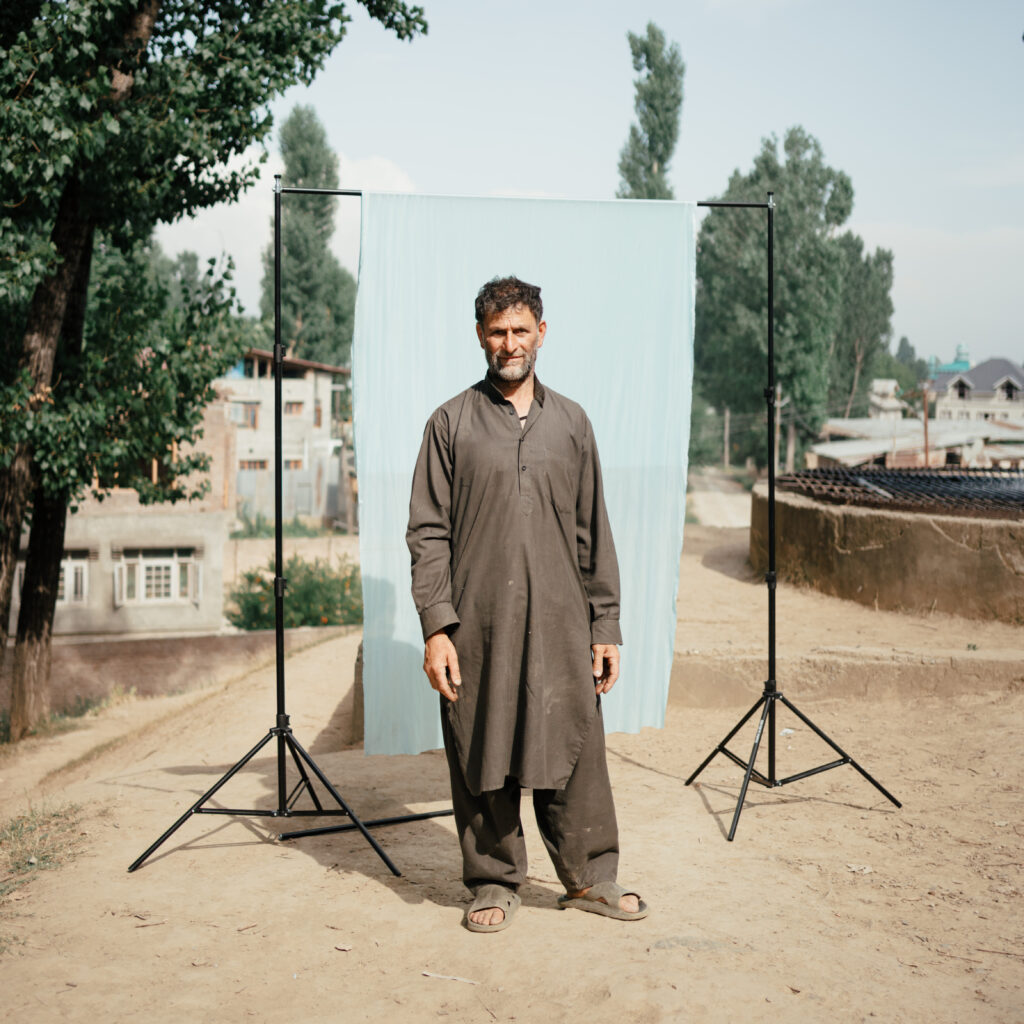
Rohan’s father, dressed in the traditional salwar kameez, is a metal box maker. ‘This is a mixed village,’ he explained. ‘Shias and Sunnis live side by side without issues. But a Sunni neighbour would never eat at a Shia’s house—we’re considered impure.’

As he spoke, the blue-eyed man in his sixties scrolled through his Facebook feed, which featured videos of Iran’s Supreme Leader Ali Khamenei, images of the golden domes of Shia shrines in Karbala, Iraq, and crowds dressed in black performing self-flagellation rituals.


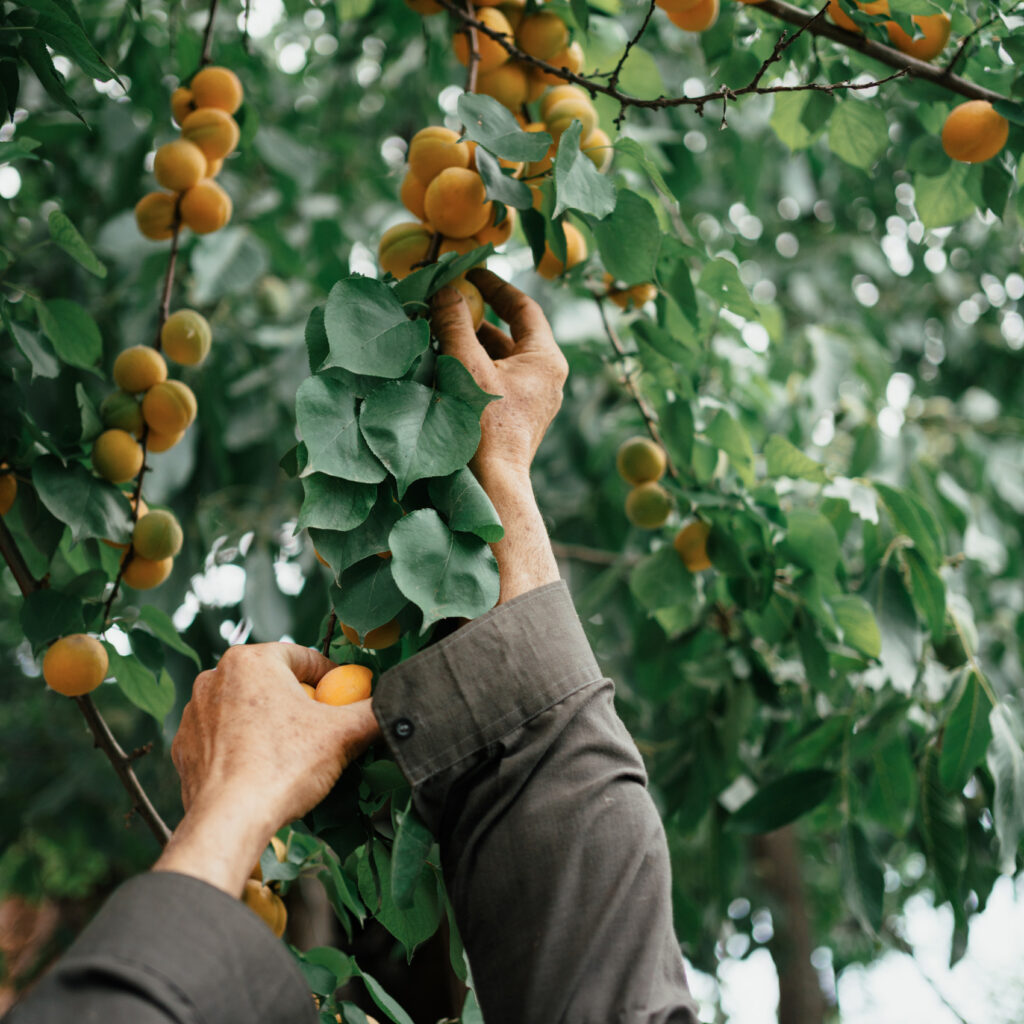
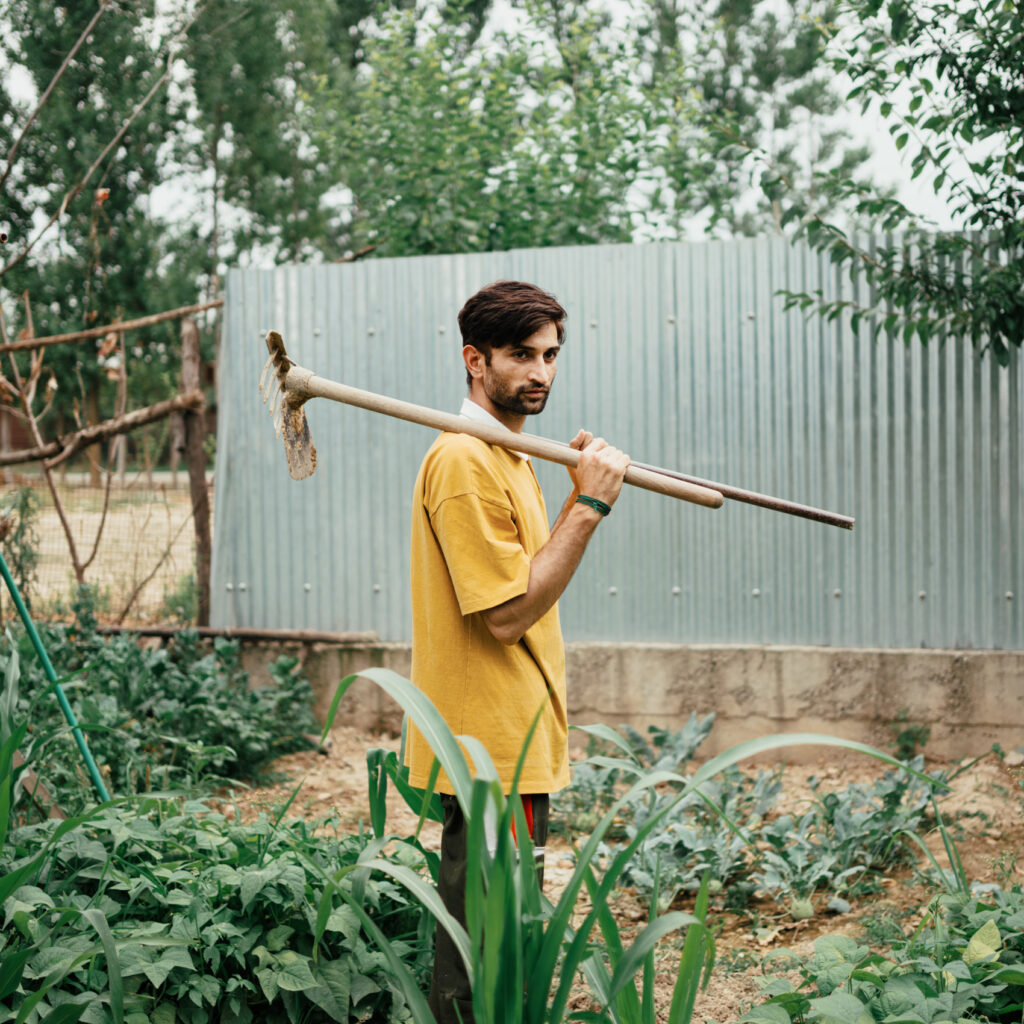
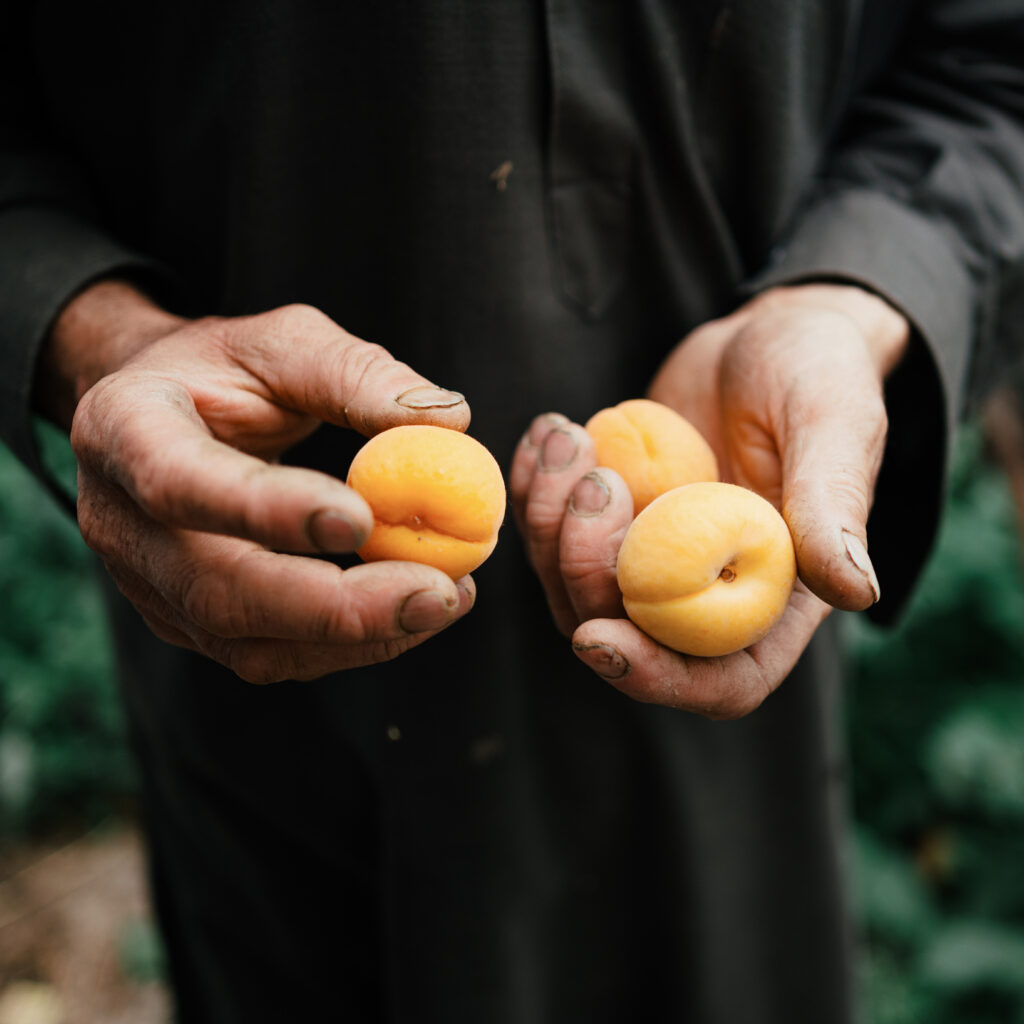
Rohan arrived shortly after and took us to explore the fields and barns his family owned. He offered us apricots to taste, lettuce leaves to feel, and flowers to admire. Posing provocatively with oversized zucchinis, he couldn’t resist the thrill of having an audience. He hoisted his nephew into a large woven basket and swung him onto his head, to the child’s delighted shrieks.

Later, Rohan gave us a tour of the village. The wind rustled the leaves of the tall poplars lining the canal that irrigates Sushtoo’s fields. Hidden from prying eyes, we handed him two pieces of cloth, which he fashioned into a sari. He struck poses, swayed, and walked as though on a runway, born to bask in the limelight.

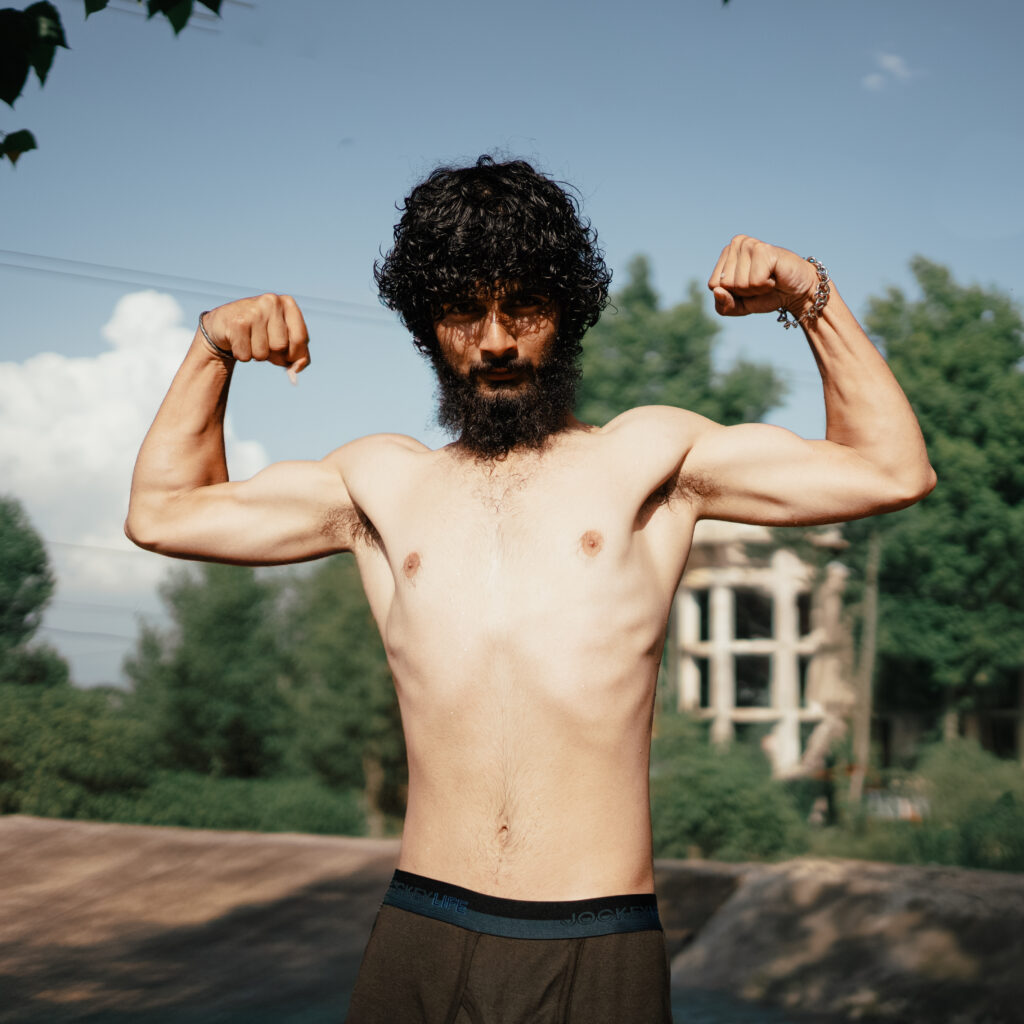
Near a dam, a group of young men were swimming, showing off their muscles and diving into the cold water. Rohan approached them and exchanged numbers. While homosexuality is socially condemned, male-to-male relationships seem to enjoy a degree of tolerance, unlike pre-marital relationships between men and women. In Sushtoo, women are nearly absent from public spaces.

Back at Rohan’s family home, over a cup of noon chai, Kashmir’s traditional pink and salty tea, the conversation turned to politics. A month earlier, Prime Minister Narendra Modi had been re-elected in India’s general elections.

Like the overwhelming majority of Kashmiris, Rohan had always boycotted elections, unwilling to legitimise an occupying power. However, after New Delhi revoked Kashmir’s limited autonomy in 2019 and intensified repression, including an 18-month internet shutdown, Rohan felt compelled—like many others—to vote for the first time this year.

Though modest, the voter turnout reached a historic high for the region (38% in the Srinagar district, the highest since 1996), reflecting the people’s determination to oppose local parties allied with Modi’s Bharatiya Janata Party (BJP).

‘I love Rahul Gandhi,’ Rohan confessed, referring to the leader of the Congress party, Modi’s main political rival, who had walked across India during his campaign. ‘That’s why I voted for the National Conference (a local party allied with Congress and advocating for the restoration of the region’s autonomy). My mother and sister-in-law voted for them too.’

Rohan’s father interjected, ‘I like Modi. I know he doesn’t like Muslims, but I think what he’s doing for Kashmir and its economy is positive.’

Indeed, tourism in the valley, long stifled by decades of political unrest, has revived over the past two years, easing the economy and providing a semblance of normalcy.

However, Srinagar airport, controlled by the Indian army, offers no international flights, restricting tourism to Indian visitors. Unemployment remains India’s highest (32% among 15-29-year-olds) despite the tourism industry’s resurgence. The revocation of Kashmir’s autonomy opened public sector jobs and local university admissions, previously reserved for Kashmiris, to national competition. Traditional trade routes connecting Kashmir to its neighbours remain closed, opposition voices silenced, and the press subdued.

The region’s pacification and economic recovery, touted by Modi, have come at the cost of severe repression. Yet many Kashmiris we spoke to expressed relief at the relative calm. In a place where no child completes schooling uninterrupted, political and security instability stifles entrepreneurship, and nearly everyone has faced state violence, including enforced disappearances (estimated at 8,000-10,000 people since 1989, according to the Association of Parents of Disappeared Persons), these moments of respite are a welcome breather.

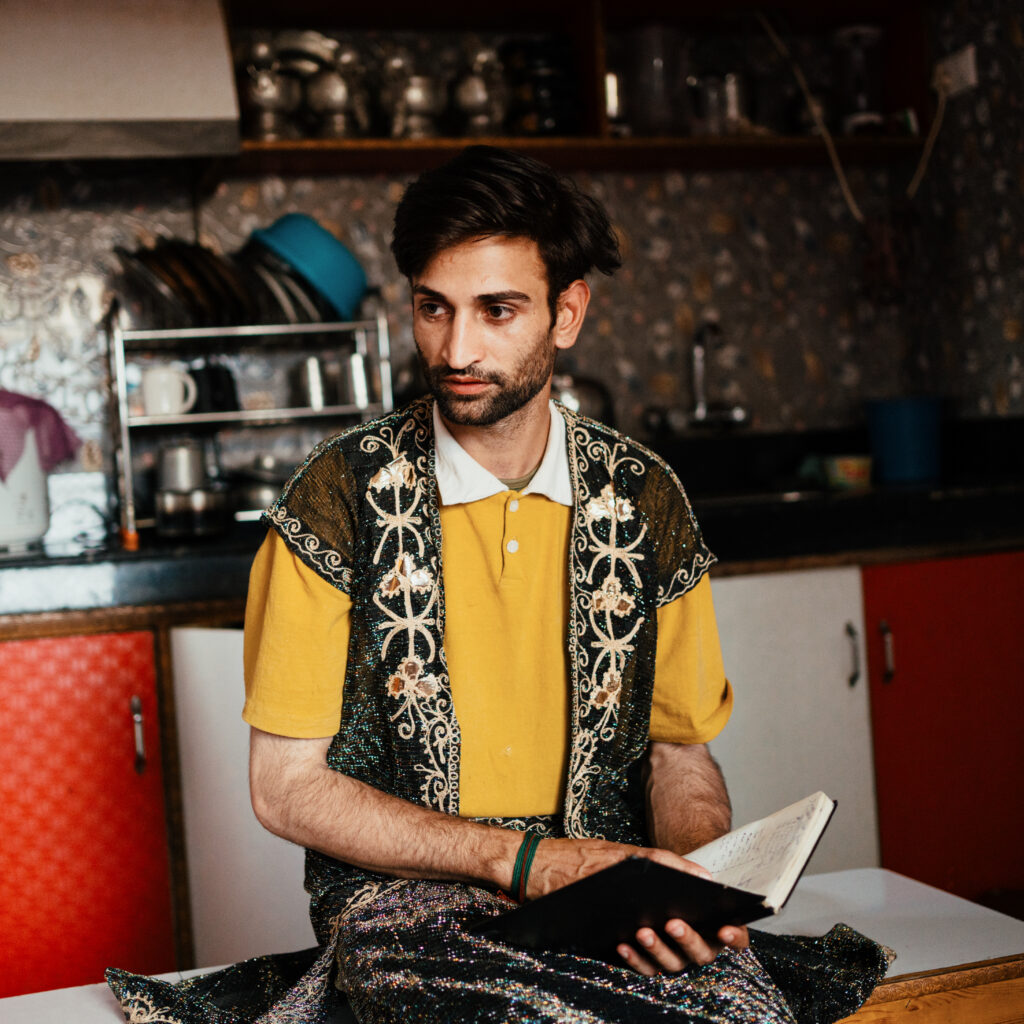
In the kitchen, away from his father’s gaze, Rohan slipped on a sequined vest and rehearsed religious songs for the evening prayer. ‘It’s Eid al-Ghadir, the most important Shia festival,’ he explained, recounting how, in 632, the Prophet Muhammad appointed his son-in-law Ali as his successor atop a pile of carpets on a camel in a town between Medina and Mecca.

We asked him whether embracing his sexuality was challenging in a traditional society like Sushtoo. ‘My father, who never accepted my sexuality, beat me for years, and I fear my older brother,” Rohan admitted. ‘He criticises me for being too effeminate and spending too much time in the kitchen with the women.’

Rohan also shared how the sexual abuse he endured as a child at the hands of a neighbour and several cousins—a reality for many children in India—has left deep scars on his mental health.

He finds some respite when his brother, a truck driver, is away for weeks on India’s roads and beyond. His father has softened since his sister’s marriage and the birth of a baby.

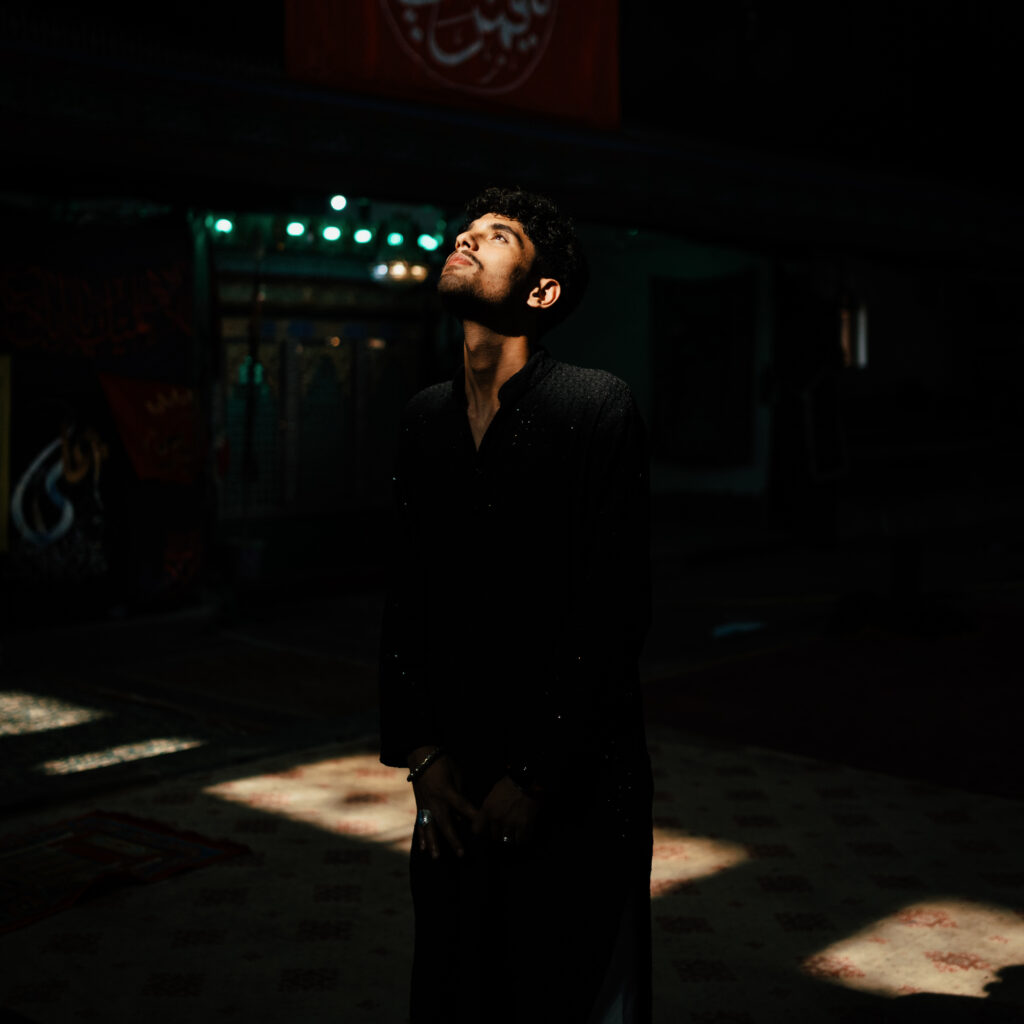
‘The neighbours gossip about me too, and it’s hard, but at least they let me sing at the mosque,’ he said, slipping into a long black tunic as we headed to the mosque.

The green lights of garlands hanging from Sushtoo’s Shia mosque minarets illuminated the crowd. The atmosphere was relaxed as neighbours caught up and exchanged news.

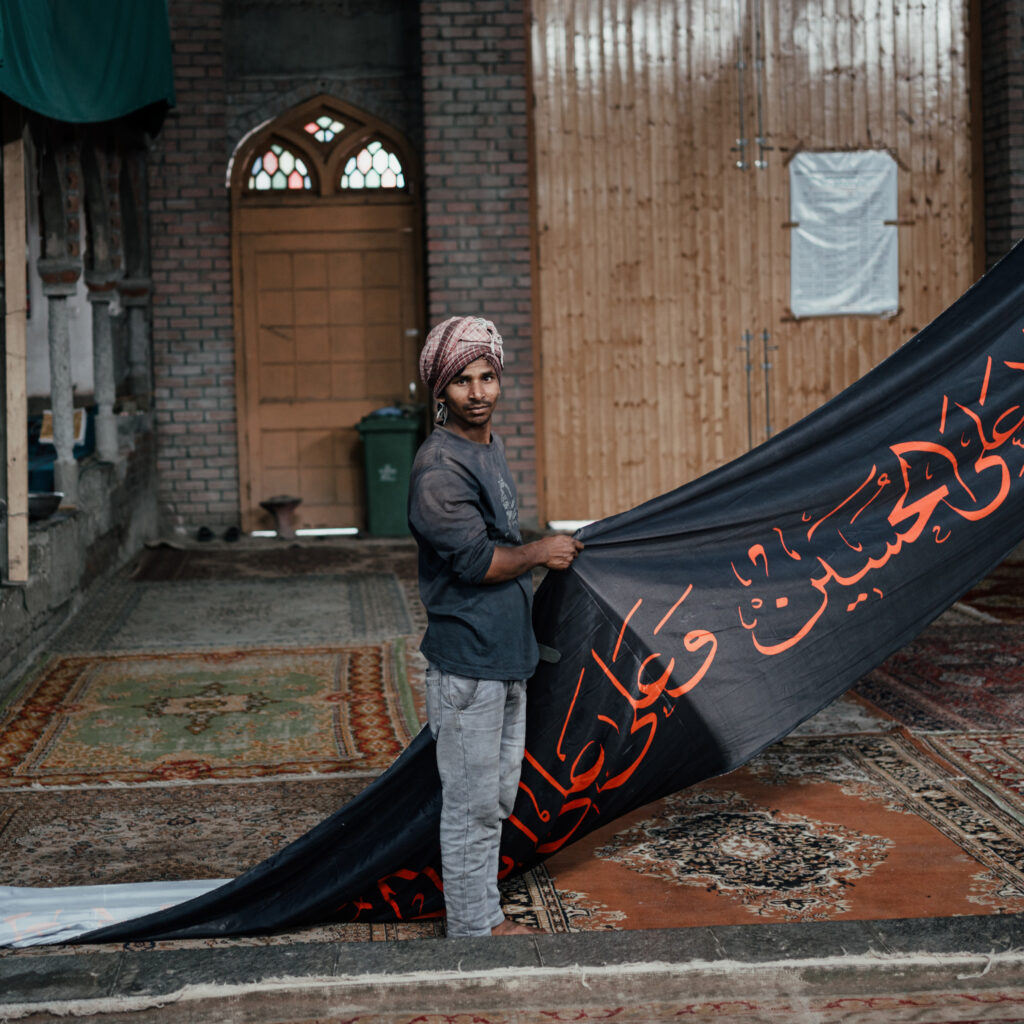
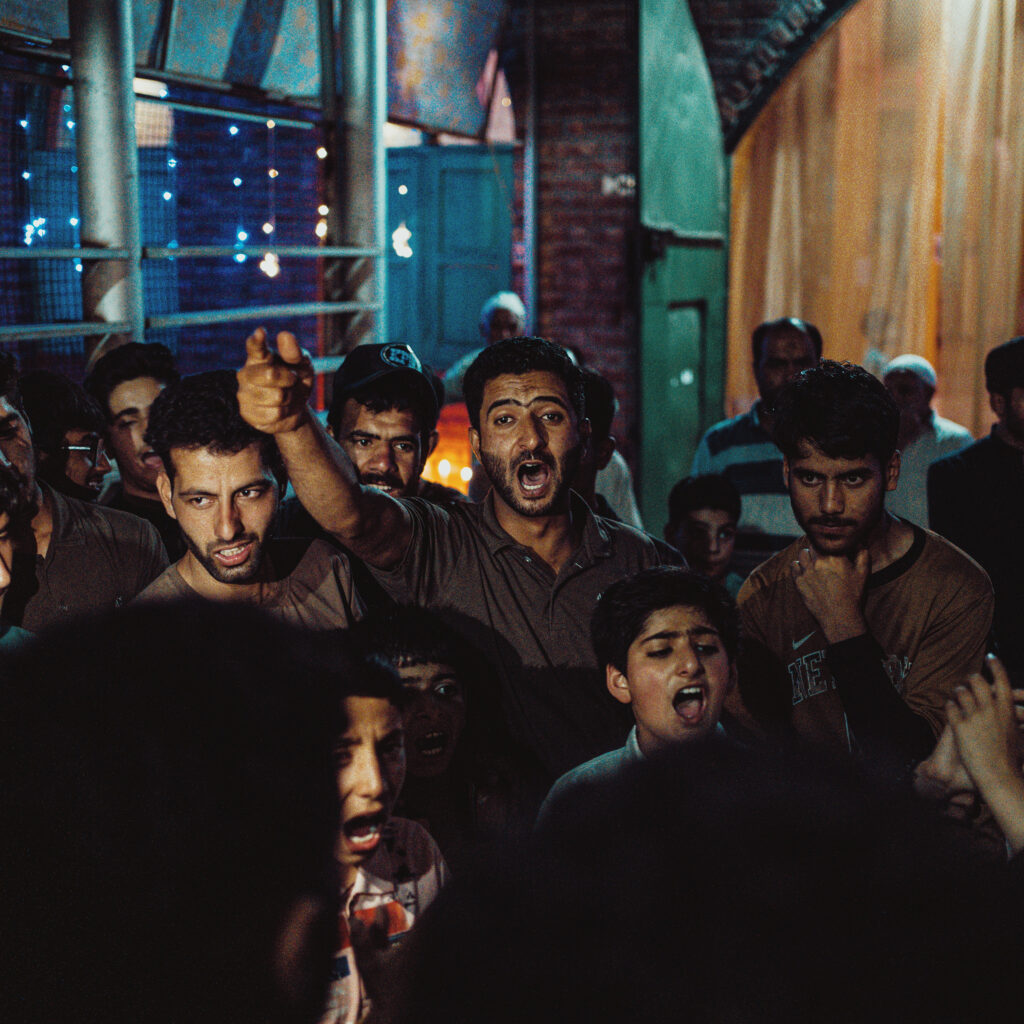
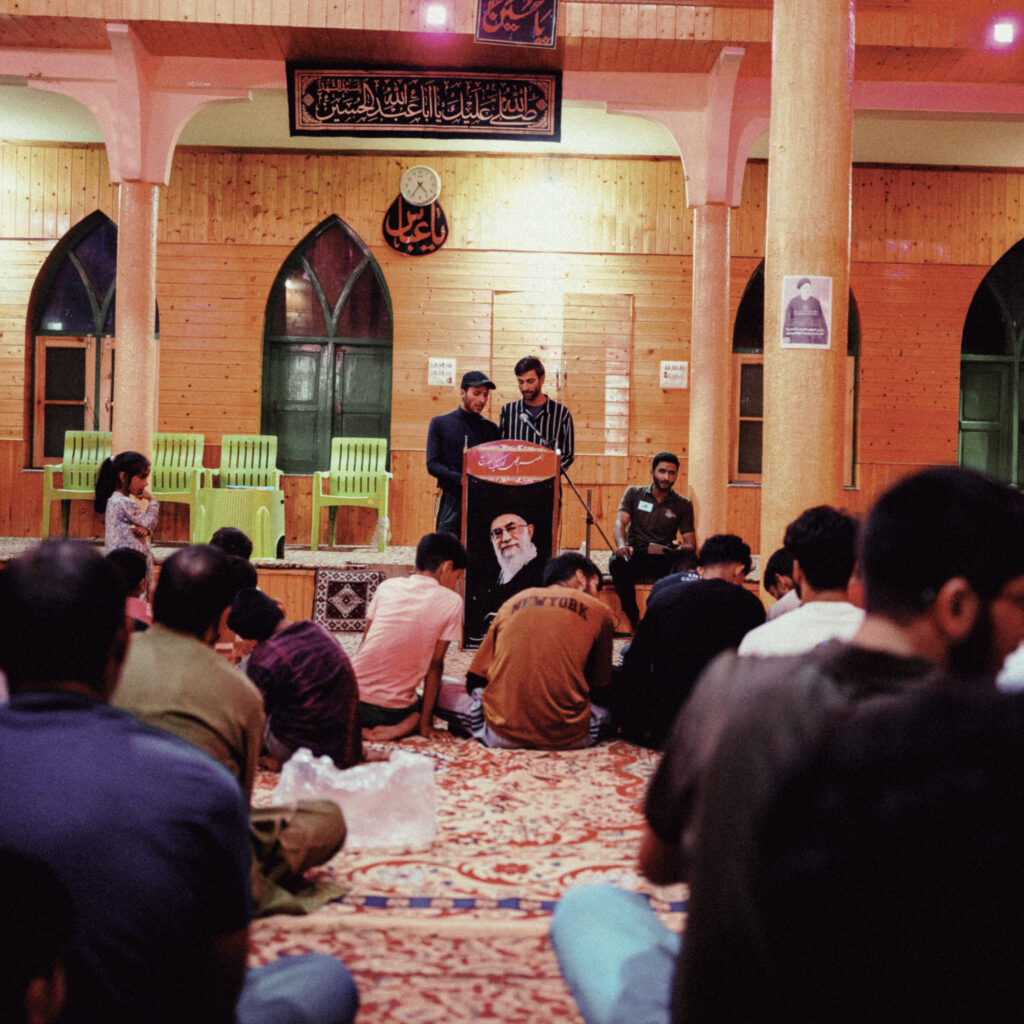
The majlis, or ceremony, began. The men gathered downstairs, the women upstairs. Prayers and hymns were recited under a large portrait of Khomeini, the founder of the Islamic Republic of Iran. Pictures of Khamenei and Ebrahim Raisi, a former Iranian president, adorned the furniture.

When his turn came, Rohan stepped forward with his friend Raju. Their a cappella voices filled the room. Rohan’s family was present to hear him. After the prayer, everyone congratulated him. The young man slips away to escort us back to the city centre.

Refusing to surrender his freedom or conform to societal or familial diktats, Rohan escapes to Srinagar whenever possible, resisting in his own way. He wears flamboyant earrings, applies lipstick, dresses in women’s clothing, and openly flirts with passers-by. In the relative anonymity of the bustling city, Rohan breathes freely.
URS

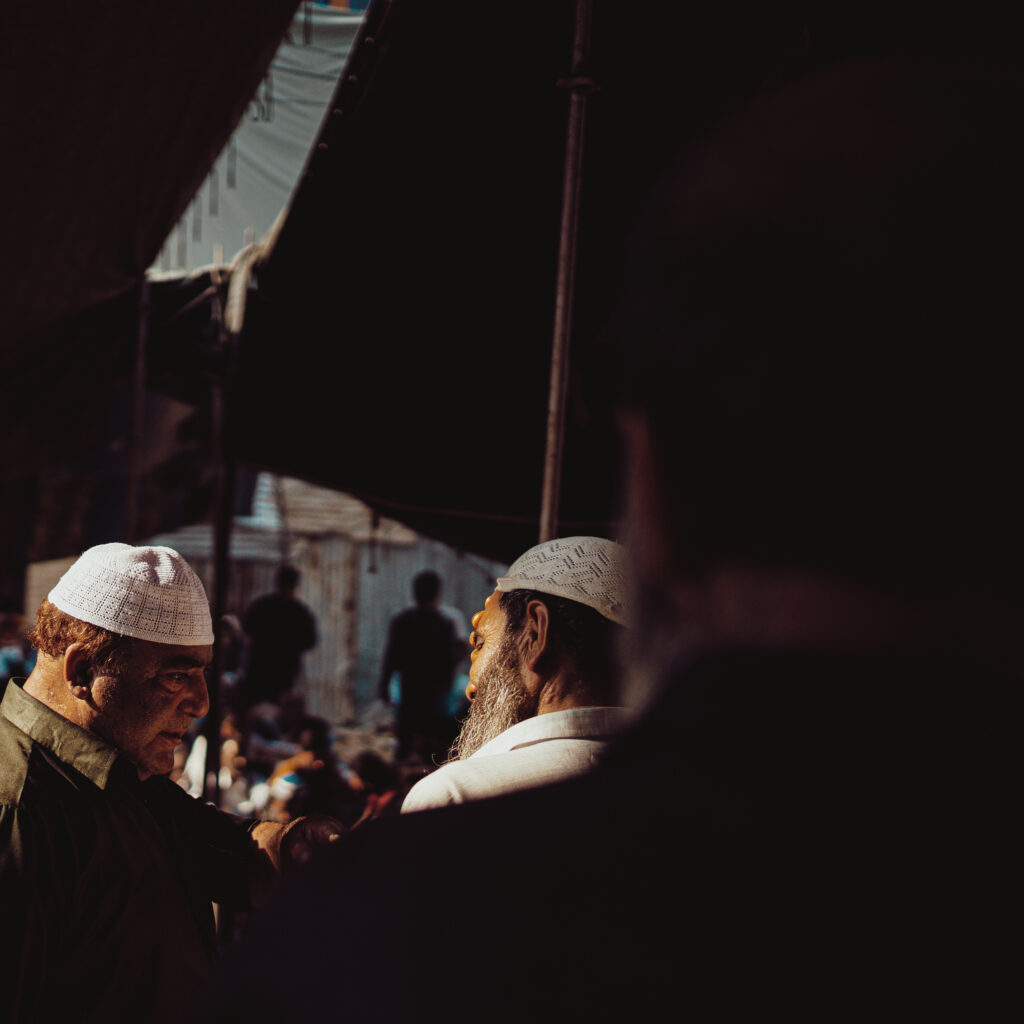
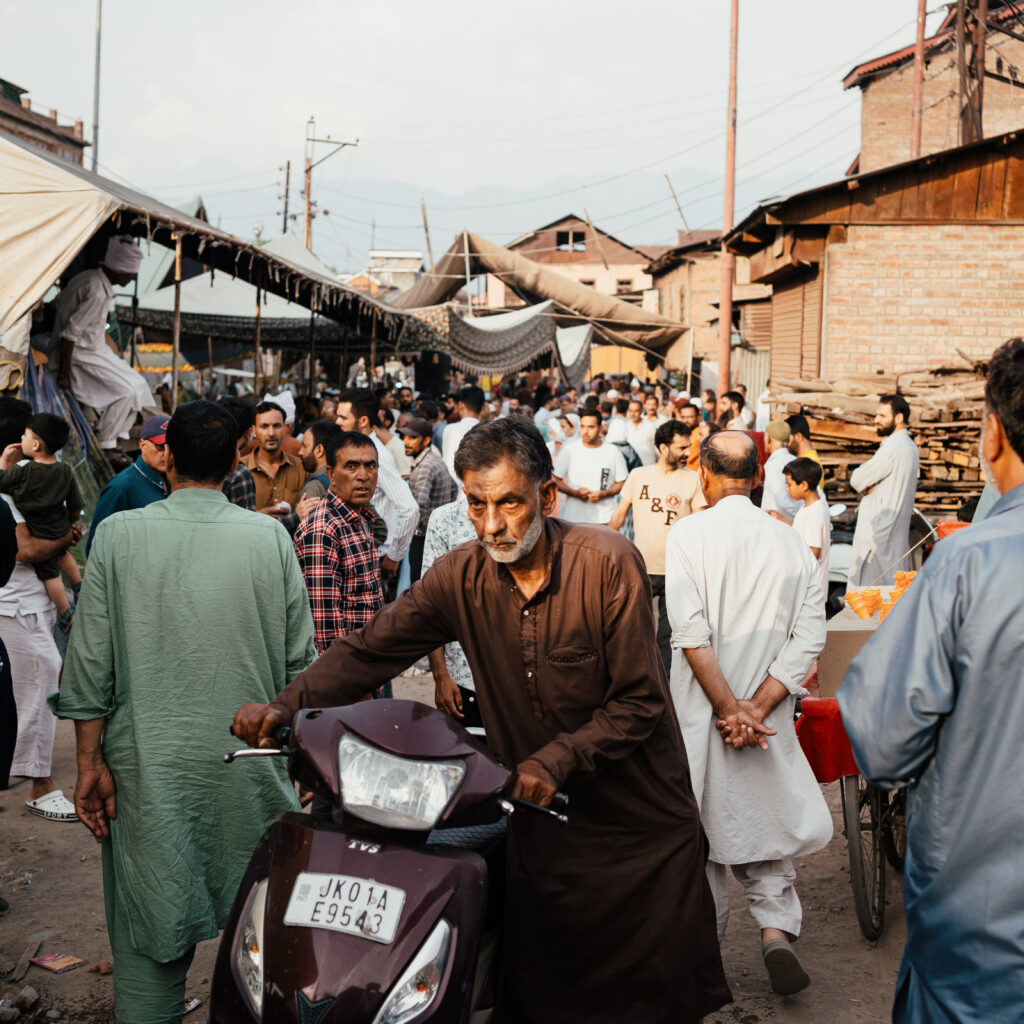
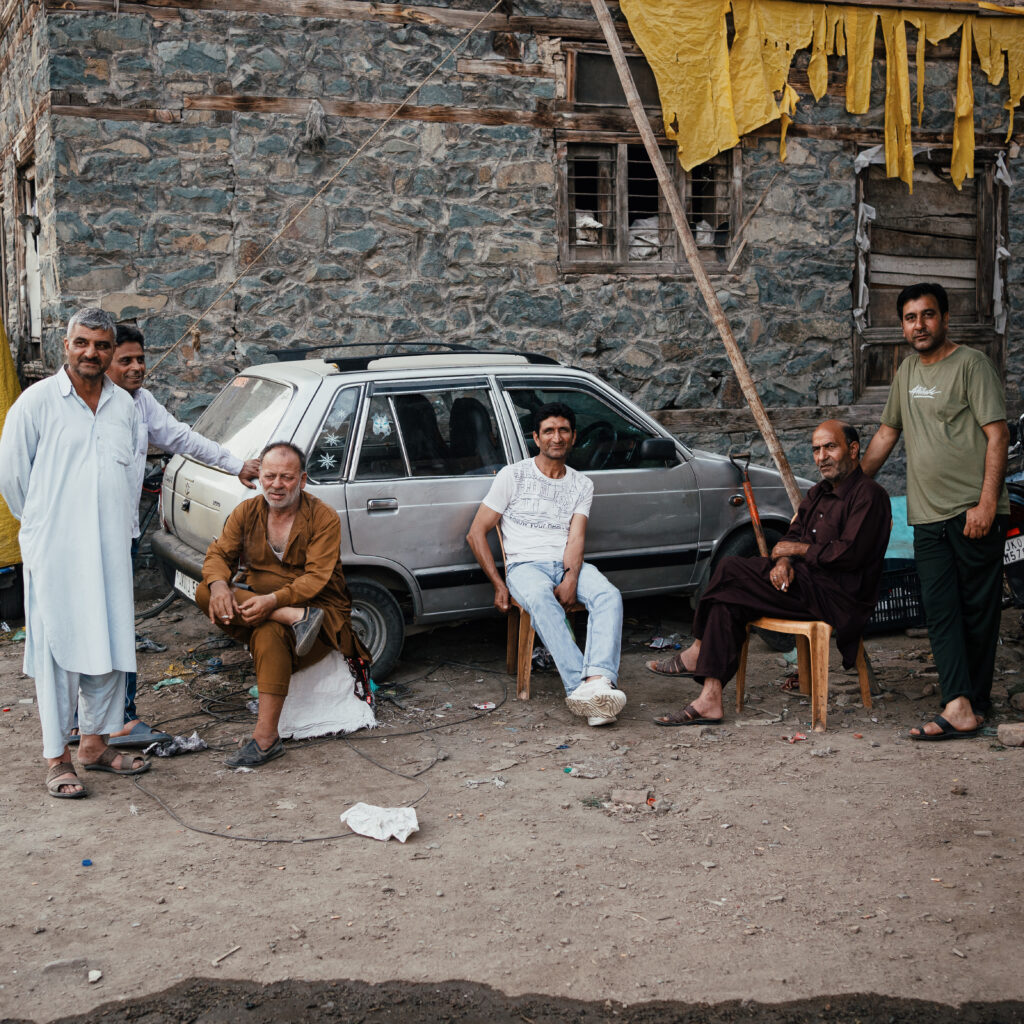
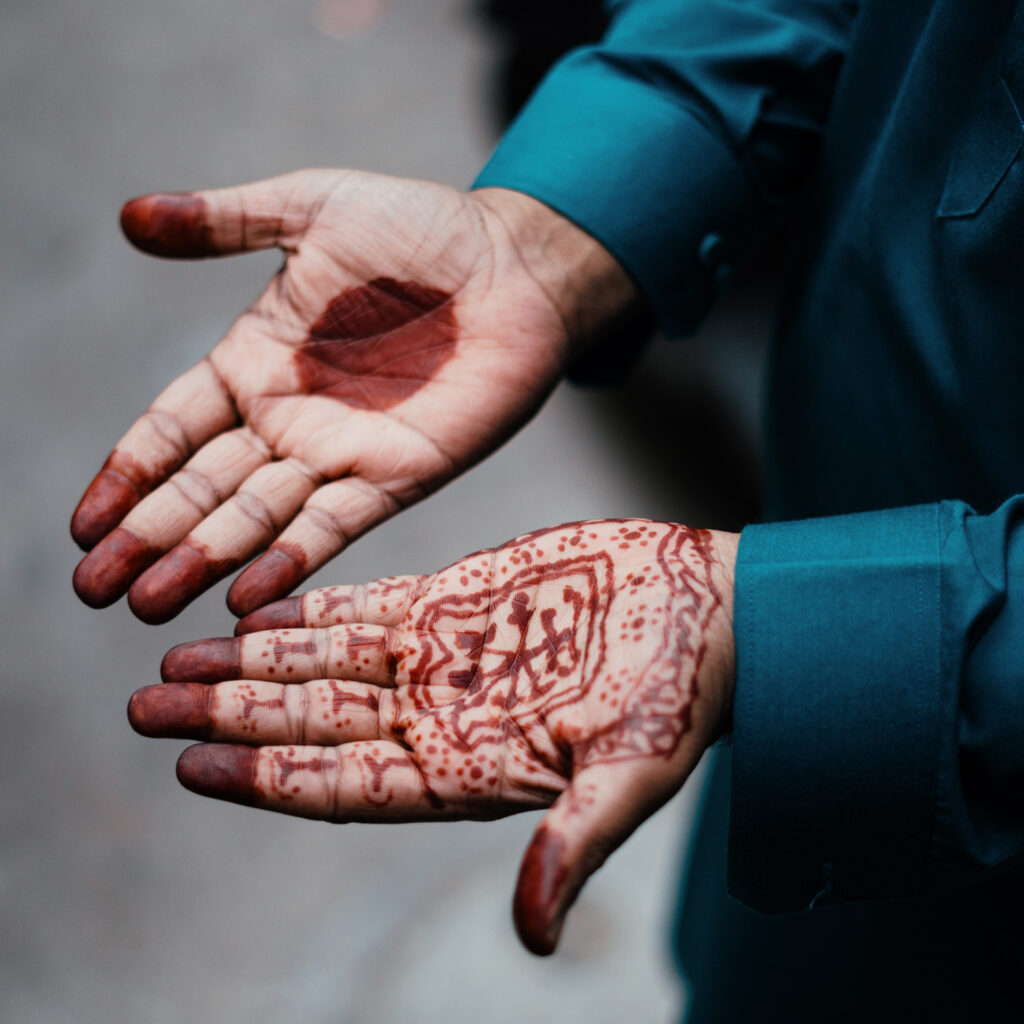
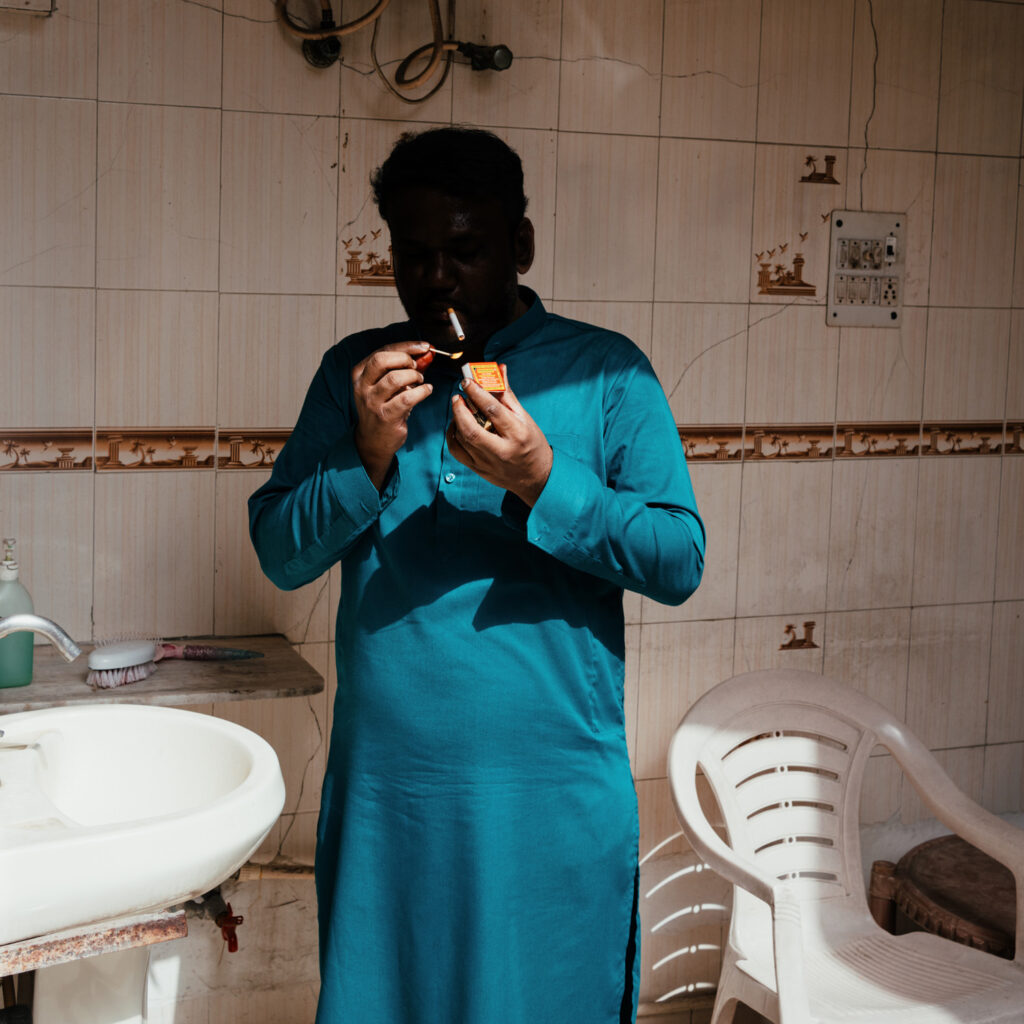
Despite the rise of a globalised Islam that tends to erase local traditions, Sufism remains deeply rooted in Kashmir. Introduced to the valley via Central Asia as early as the 9th century, this mystical tradition absorbed Buddhist, Hindu, and Muslim influences, promoting a universal message of peace. At the heart of this syncretism lies the concept of Kashmiriyat, a cornerstone of a pluralistic collective identity founded on religious tolerance and coexistence. Among the popular rituals of Islam in the Indian subcontinent, the urs holds significant importance. This celebration marks the mystical union of Sufi saints’ souls with the divine, commemorated on the anniversary of their deaths. 
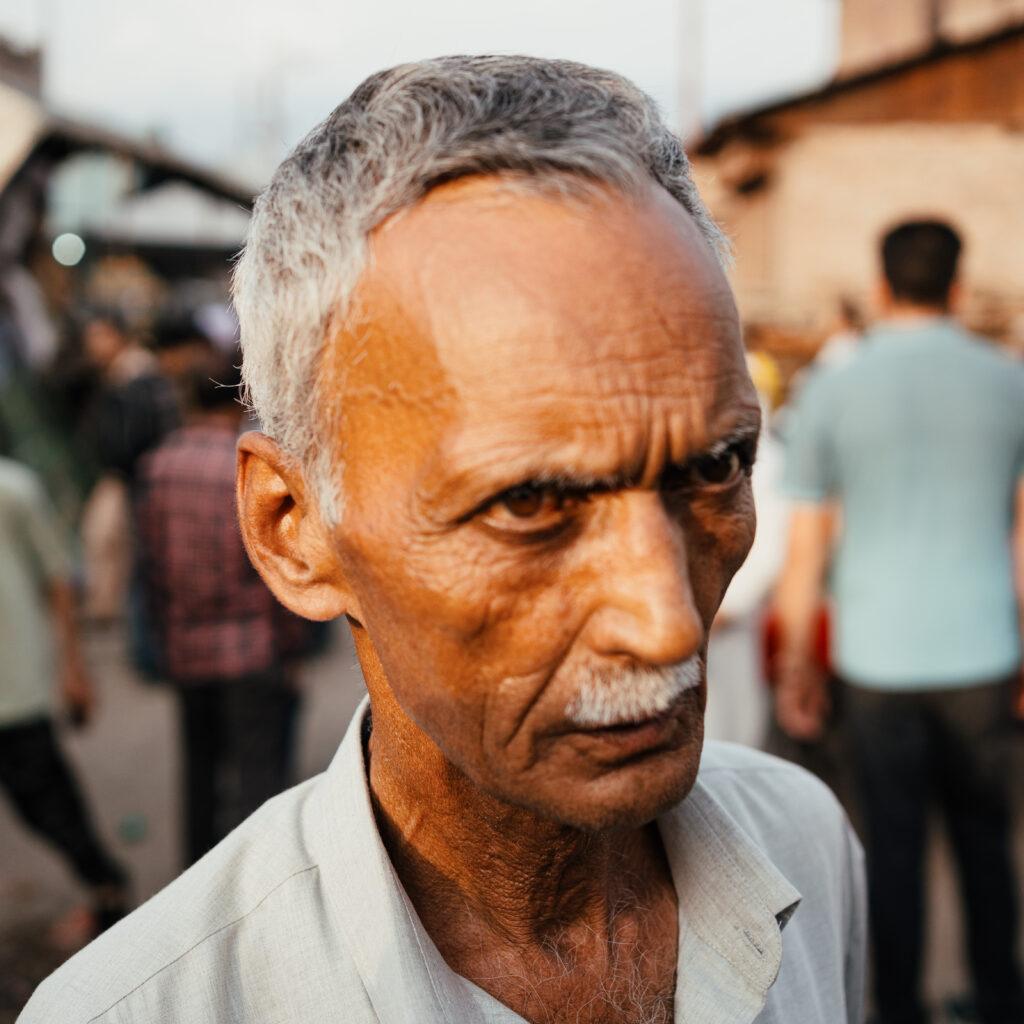
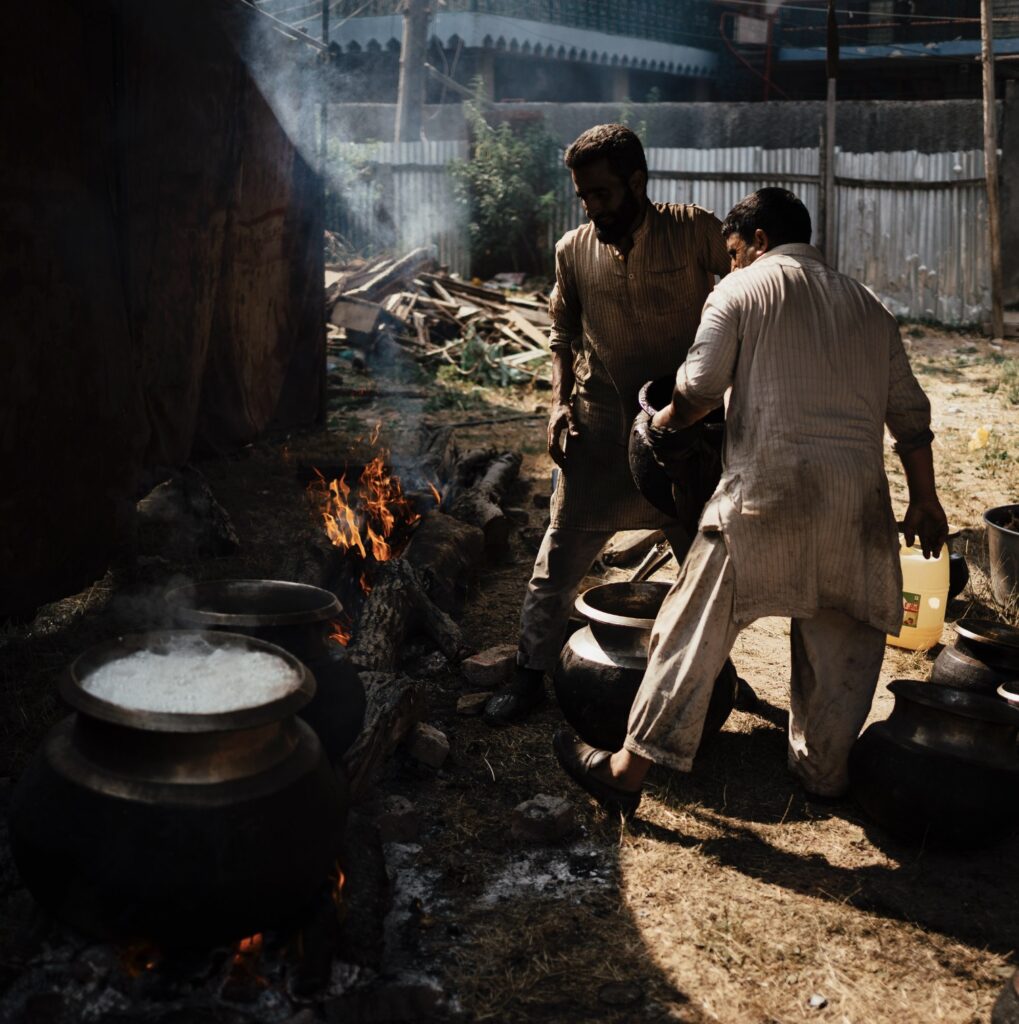
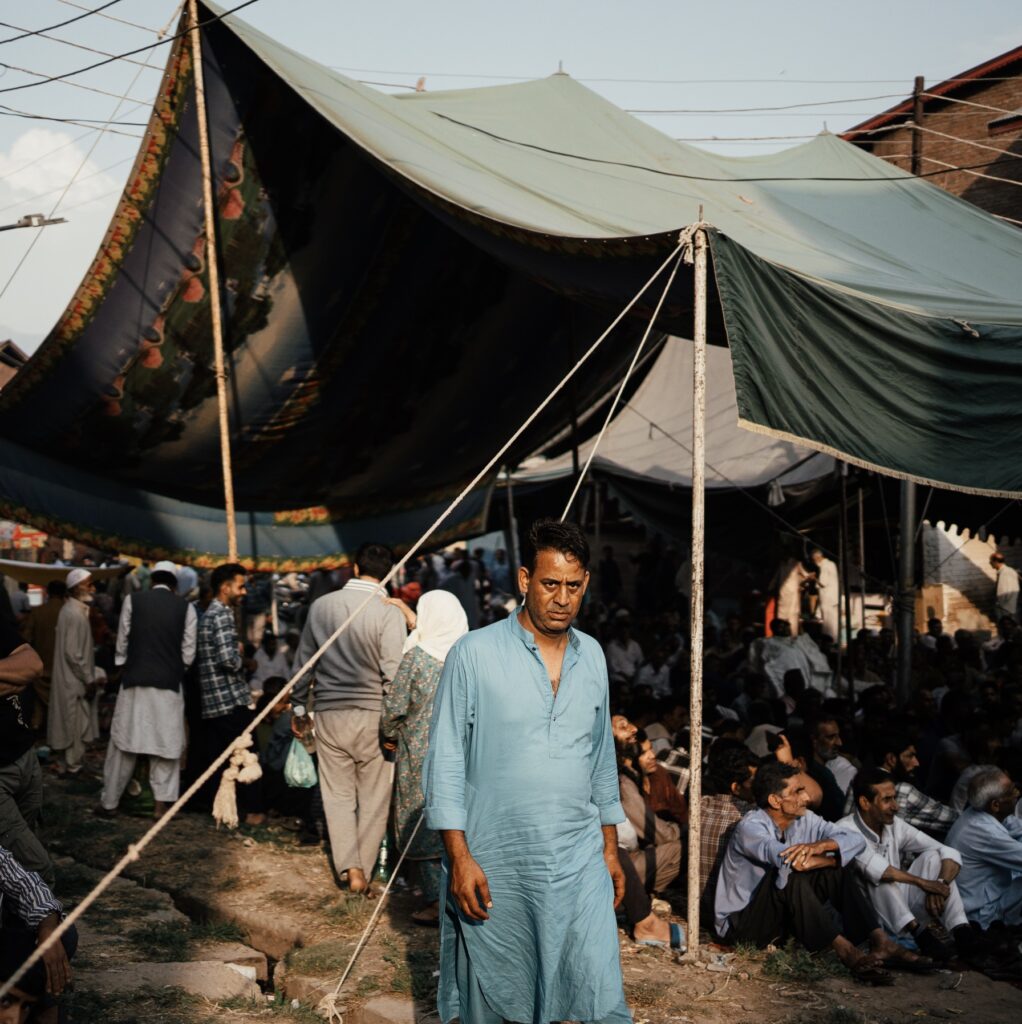
The urs are grand festivities held at the saints’ tombs, drawing hundreds of devotees. Before the exodus of Hindus from Kashmir in the 1990s, this community also participated in the celebrations. One of the most prominent urs in the Kashmir Valley honours the Sufi saint and poet Niyama Sahab, born in Srinagar in 1805. His poems have been sung for generations by Kashmiri singer.

Les lieux saints du soufisme au Cachemire demeurent populaires et fréquentés. Chaque année, les fidèles affluent de l’ensemble du Cachemire pour rendre hommage à Niyama Sahab. Dans une région secouée par des décennies de violences armées et d’occupation militaire et où les institutions dédiées à la santé mentale manquent, les tombeaux des saints soufis servent de refuge et d’exutoire à une population qui présente un taux particulièrement important de symptômes d’anxiété et de dépression.