Nuclear test sites

Lorem ipsum dolor sit amet consectetur adipiscing, elit accumsan nibh rhoncus. Dui commodo magna ante massa a mollis platea faucibus fringilla, tellus mattis lacinia mi et fusce cubilia taciti. Facilisi cras tristique purus maecenas velit, gravida tempor venenatis. Sociis non praesent porta ullamcorper egestas molestie enim erat, sagittis lacus per diam senectus pretium nisi, feugiat turpis nascetur scelerisque fermentum consequat magnis. Convallis himenaeos quam tincidunt cursus vitae ultricies, augue netus malesuada placerat dictum iaculis, hac nam congue euismod fames. Lectus est justo nullam sollicitudin risus

France in Algeria

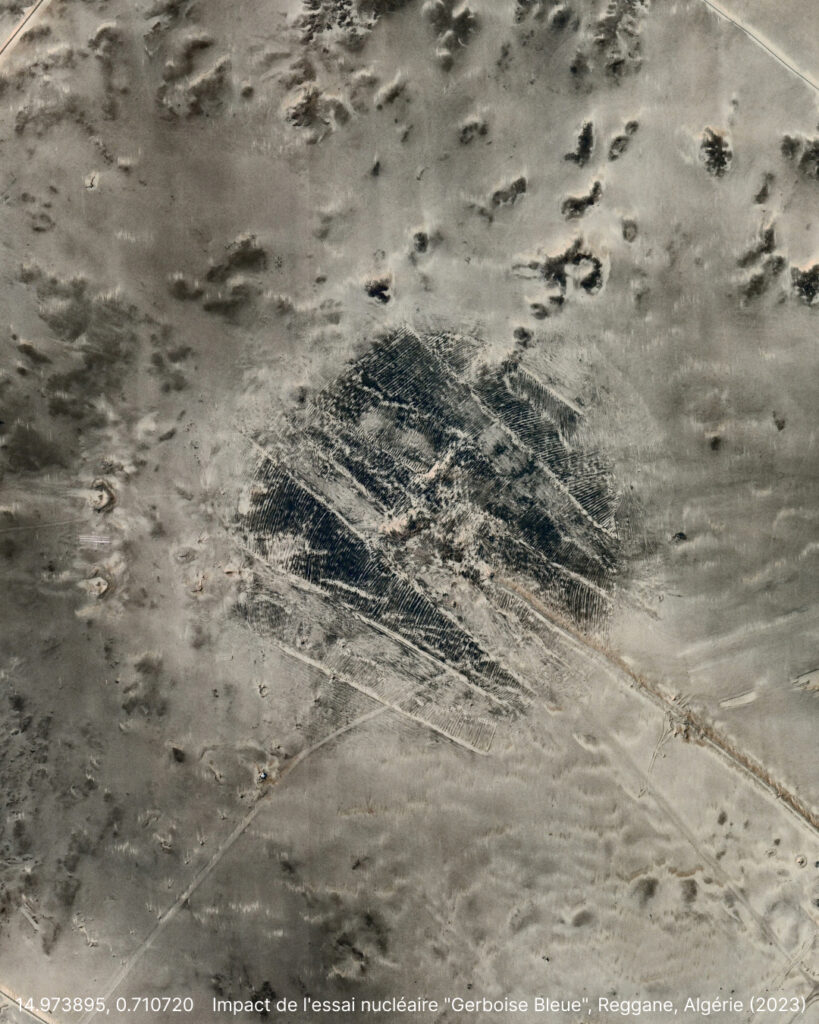
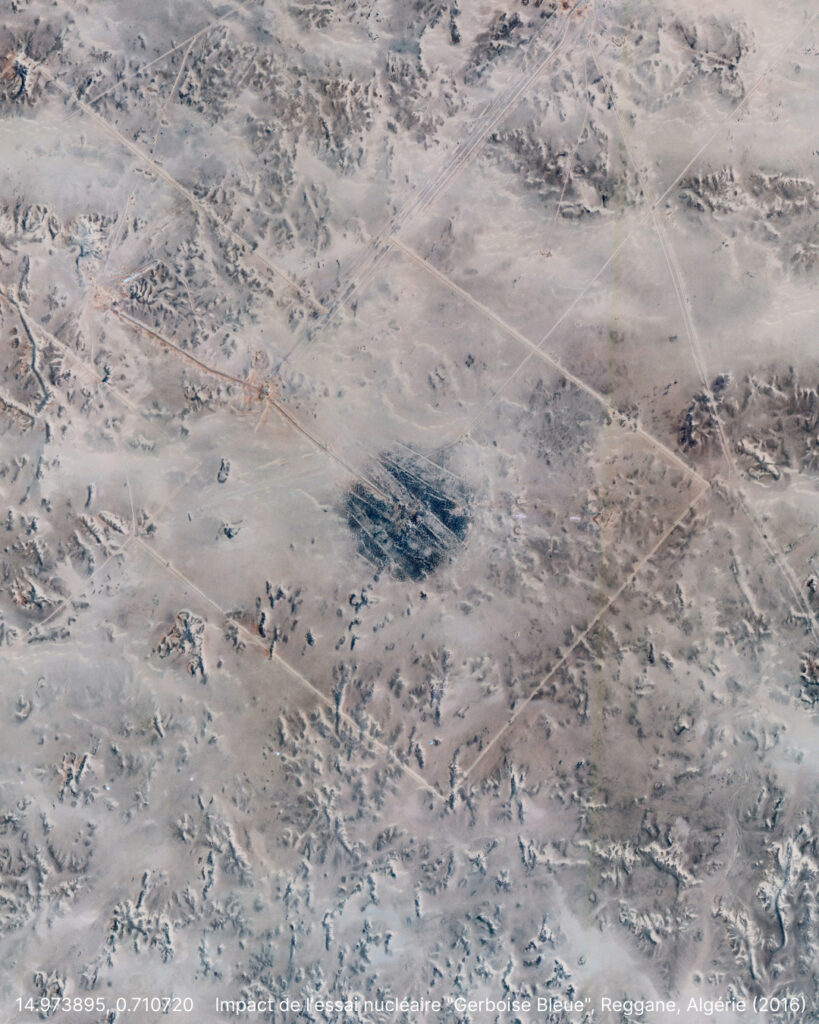
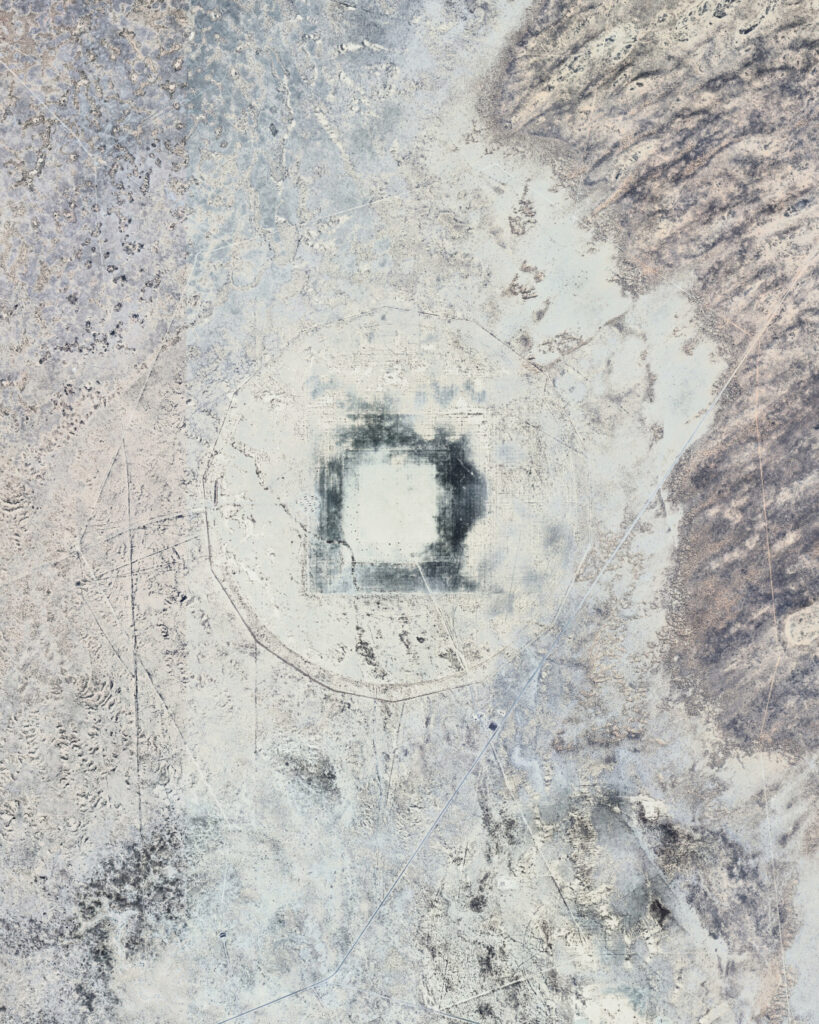
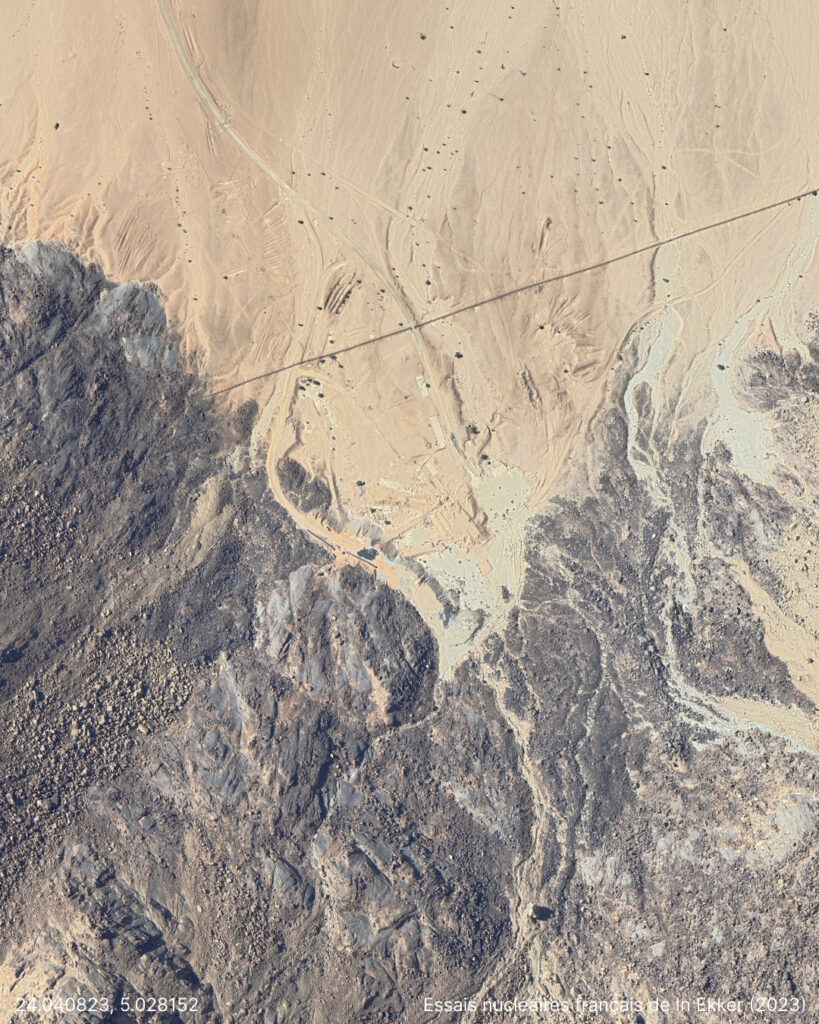
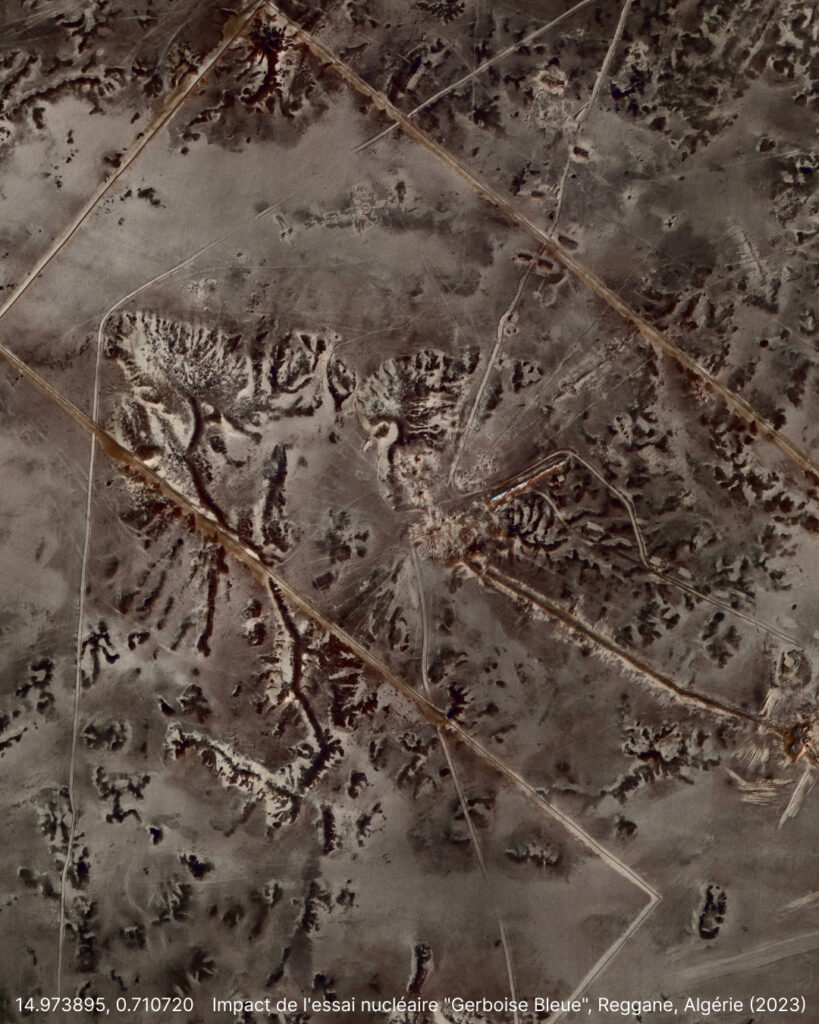
Between 1960 and 1966, France conducted 17 nuclear tests in the Algerian Sahara, beginning with the massive atmospheric blast Gerboise Bleue at Reggane before transitioning to underground testing at In Ekker, marking a pivotal but tragic step in its rise as an atomic power. These operations were marred by severe accidents, such as the 1962 Béryl incident where radioactive particles escaped a mountain gallery, exposing both military personnel and local populations to toxic fallout. The health consequences remain dire today, characterized by an increased prevalence of cancers and thyroid pathologies among nearby residents, coupled with an environmental disaster caused by radioactive waste buried beneath the sand that continues to contaminate the soil. Despite the 2010 Morin Law aimed at compensating victims, the full recognition of these damages remains a major point of memorial tension between France and Algeria, as access to archives and the decontamination of sites remain complex and unfinished challenges.


Nuclear tests in the US

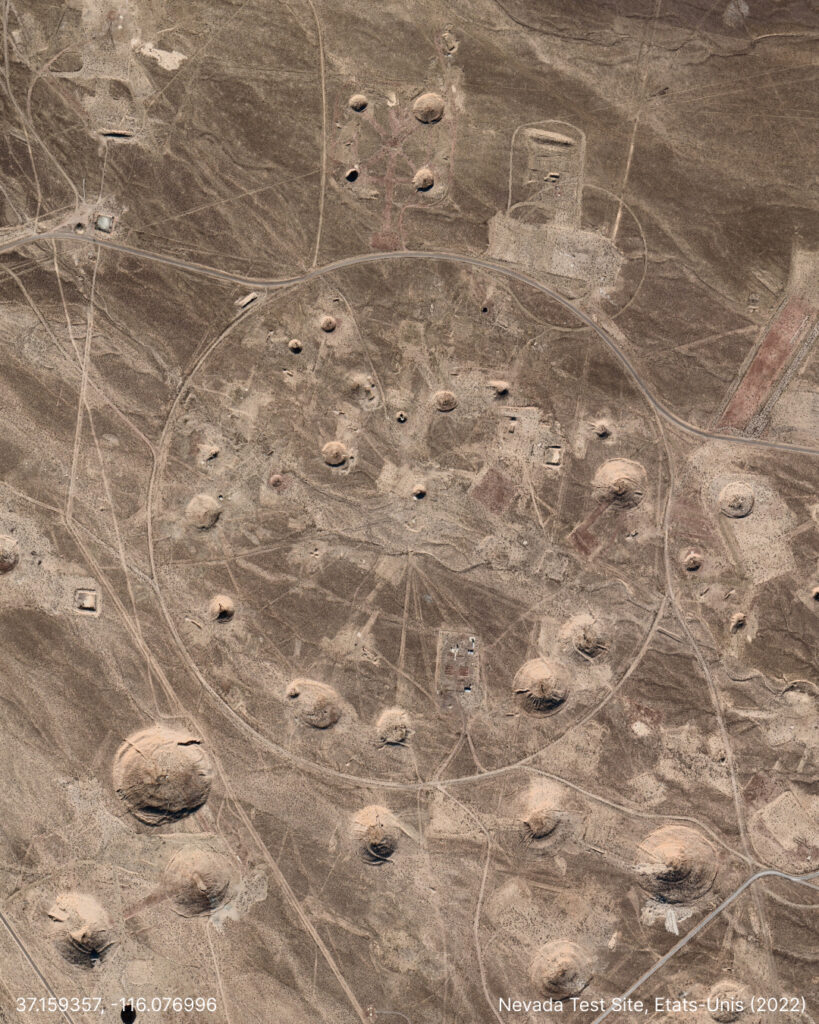
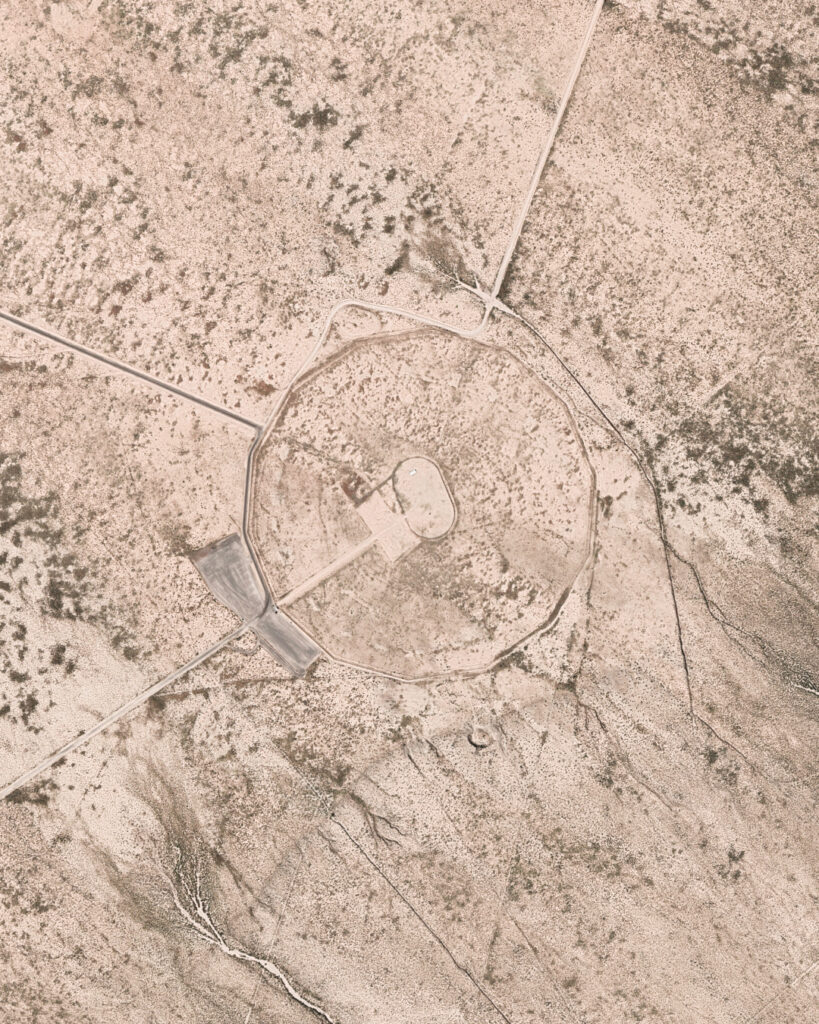
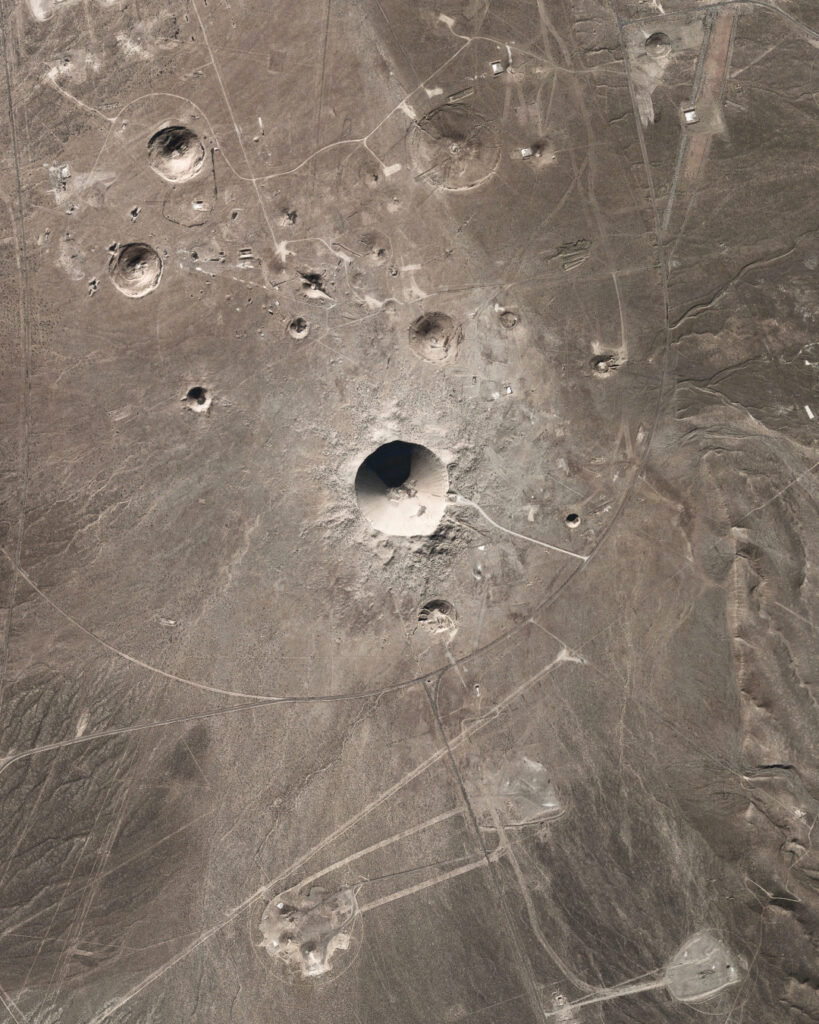
Between 1945 and 1992, the United States conducted a staggering 1,054 nuclear tests, primarily at the Nevada Test Site (NTS) and in the Marshall Islands, beginning with the historic Trinity blast in New Mexico. This extensive program exposed thousands of civilians, known as « Downwinders, » to massive radioactive fallout carried by winds across several states, leading to a surge in cancers and thyroid diseases. Pacific ocean testing, notably the 1954 Castle Bravo shot (1,000 times more powerful than Hiroshima), obliterated entire islands and permanently poisoned marine ecosystems, forcing the displacement of indigenous populations. In an effort to address these damages, Congress passed the Radiation Exposure Compensation Act (RECA) in 1990; however, many victims continue to fight for fair compensation, while the management of highly toxic radioactive waste remains a significant environmental and financial challenge for the U.S. government.
Nuclear tests in Kazakhstan

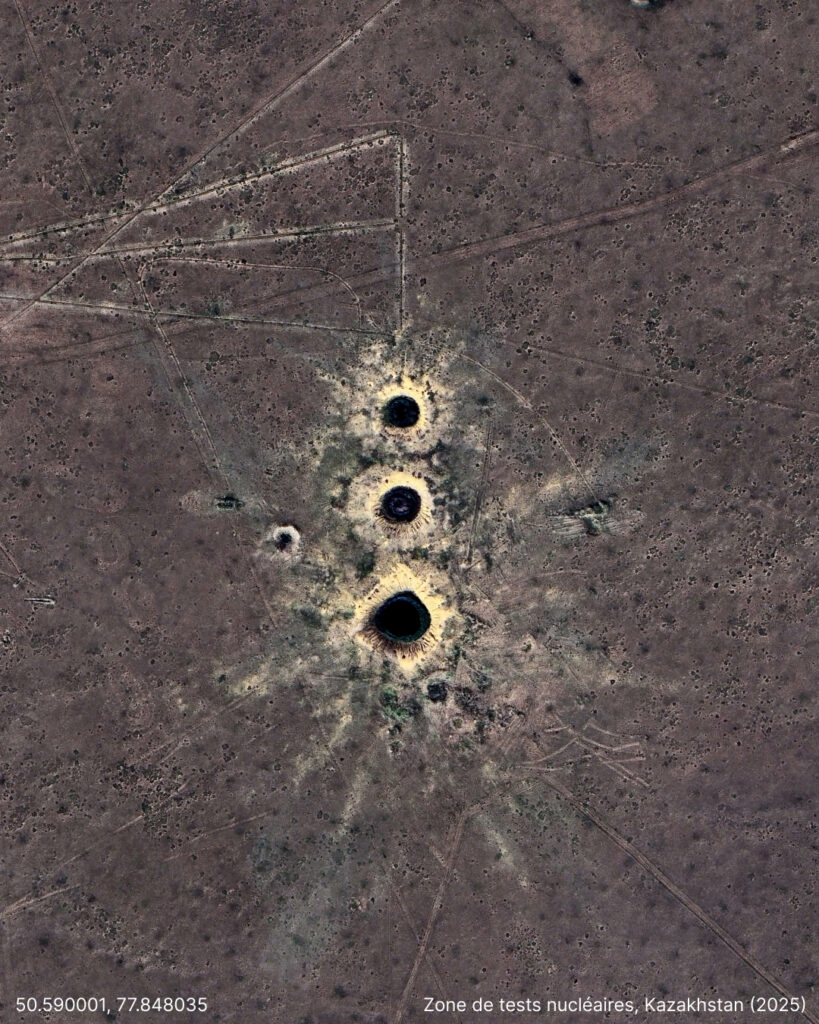
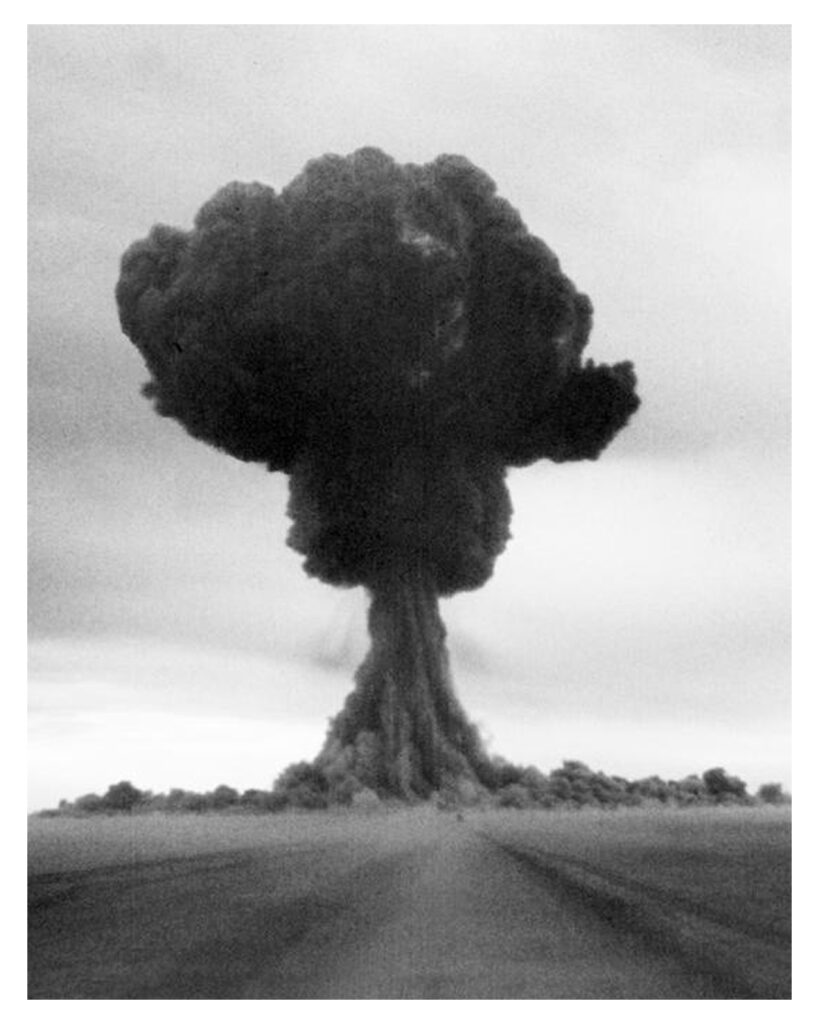
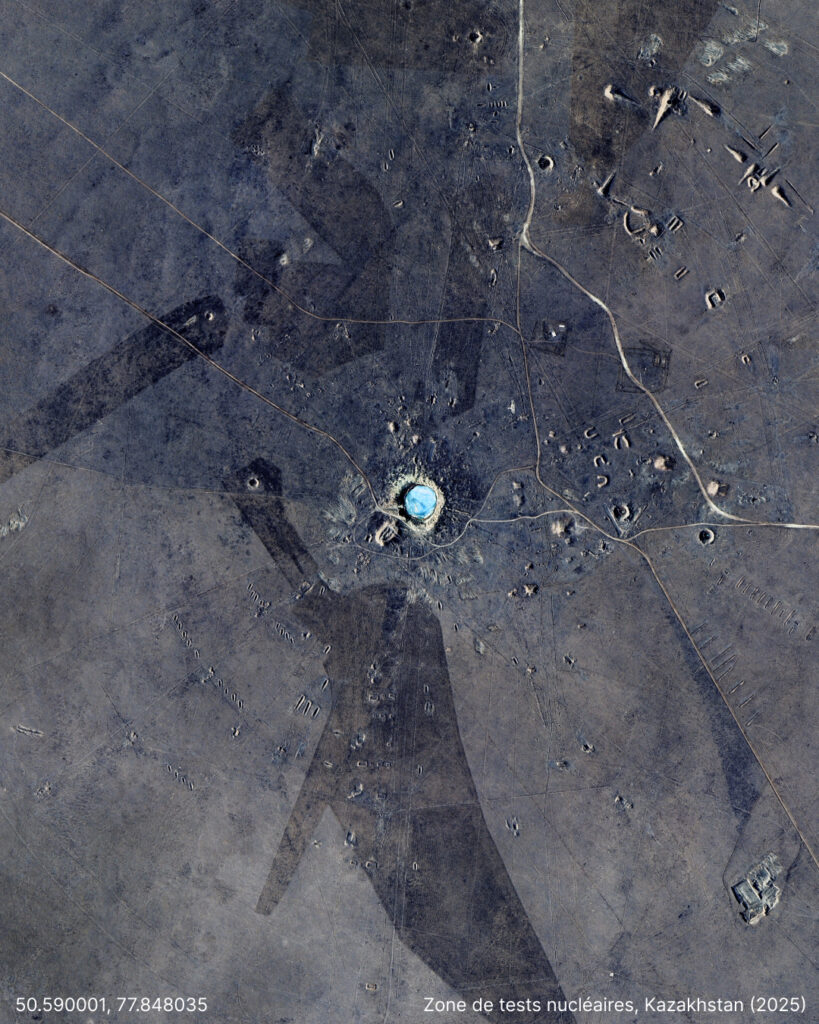
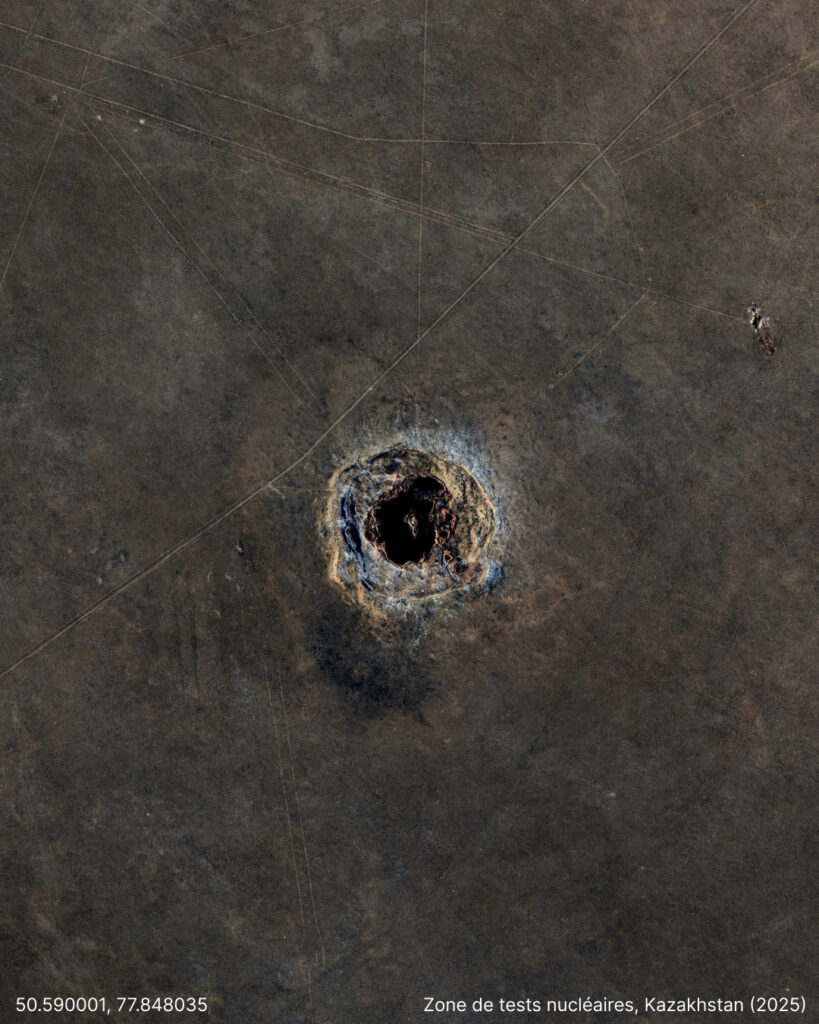
The Semipalatinsk Test Site, known as « The Polygon, » is an 18,000 km2 area in Kazakhstan that served as the primary nuclear testing ground for the Soviet Union between 1949 and 1989. During this period, no fewer than 456 nuclear explosions (both atmospheric and underground) were detonated there, releasing a total energy estimated at 2,500 times that of the Hiroshima bomb. These tests caused cancers and genetic malformations among hundreds of thousands of local residents, while leaving indelible scars on the landscape, such as the Chagan atomic lake. Officially closed in 1991 following a historic grassroots movement, the site was later the subject of a secret international decontamination operation to secure plutonium remains buried in its tunnels, yet vast areas remain radioactive to this day.