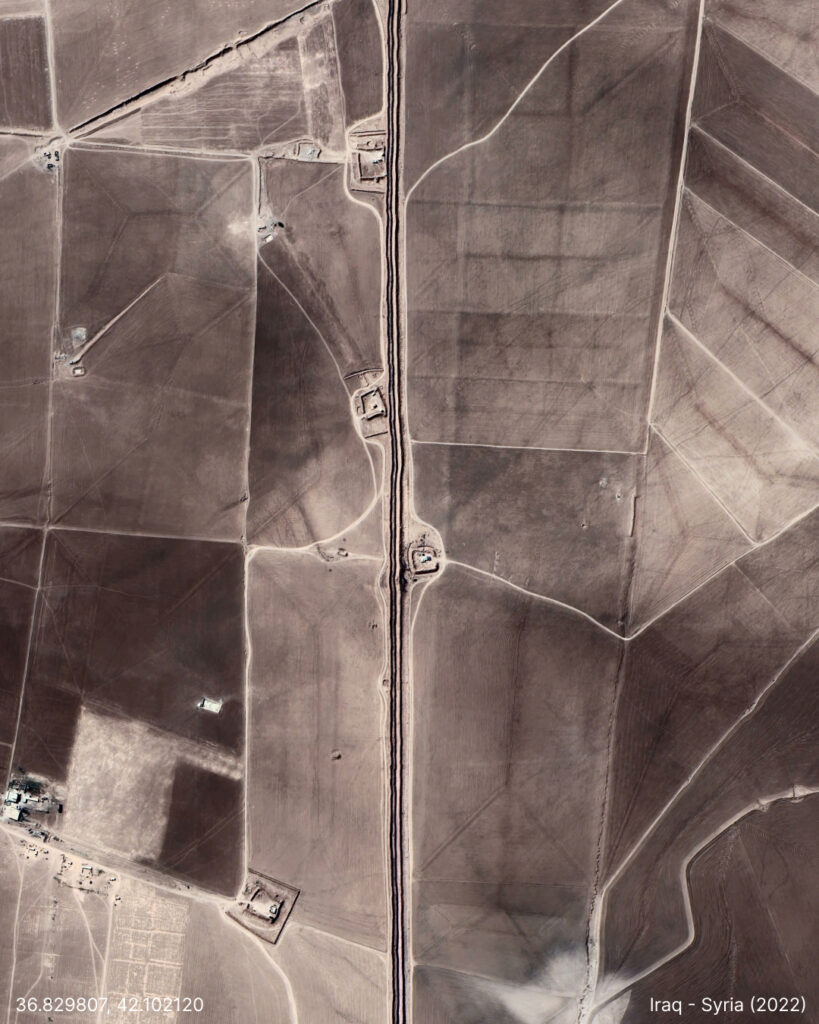
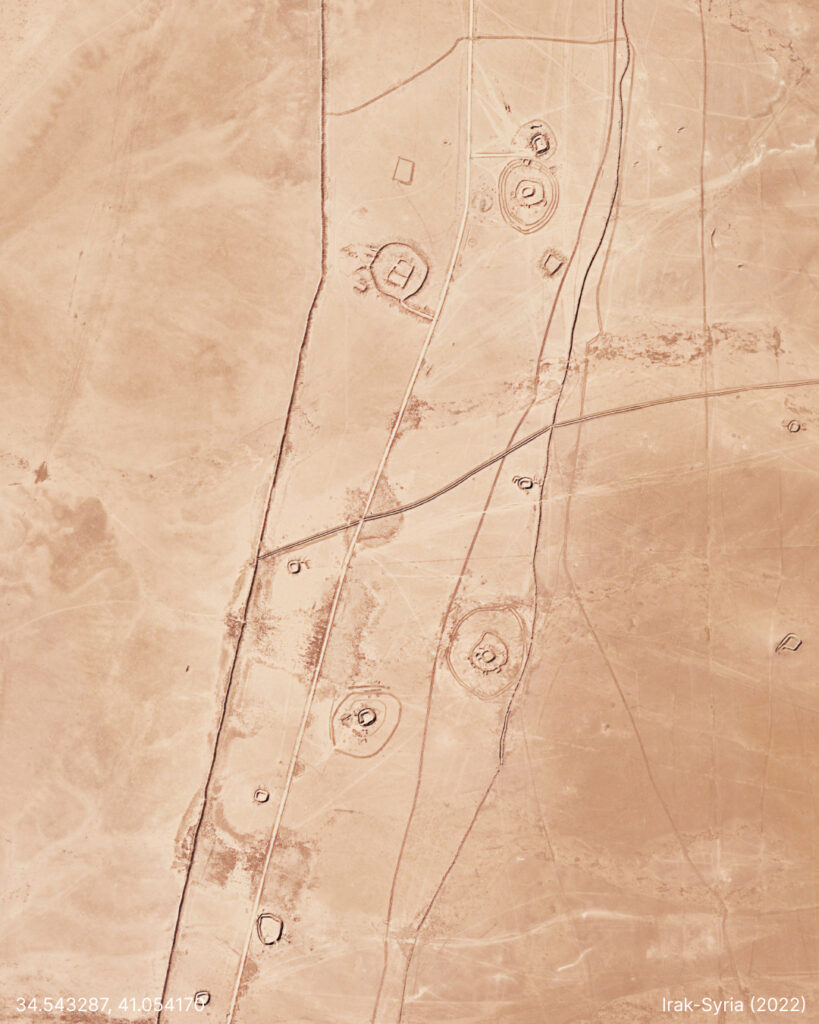
Border barriers in the Middle East

Lorem ipsum dolor sit amet consectetur adipiscing, elit accumsan nibh rhoncus. Dui commodo magna ante massa a mollis platea faucibus fringilla, tellus mattis lacinia mi et fusce cubilia taciti. Facilisi cras tristique purus maecenas velit, gravida tempor venenatis. Sociis non praesent porta ullamcorper egestas molestie enim erat, sagittis lacus per diam senectus pretium nisi, feugiat turpis nascetur scelerisque fermentum consequat magnis. Convallis himenaeos quam tincidunt cursus vitae ultricies, augue netus malesuada placerat dictum iaculis, hac nam congue euismod fames. Lectus est justo nullam sollicitudin risus

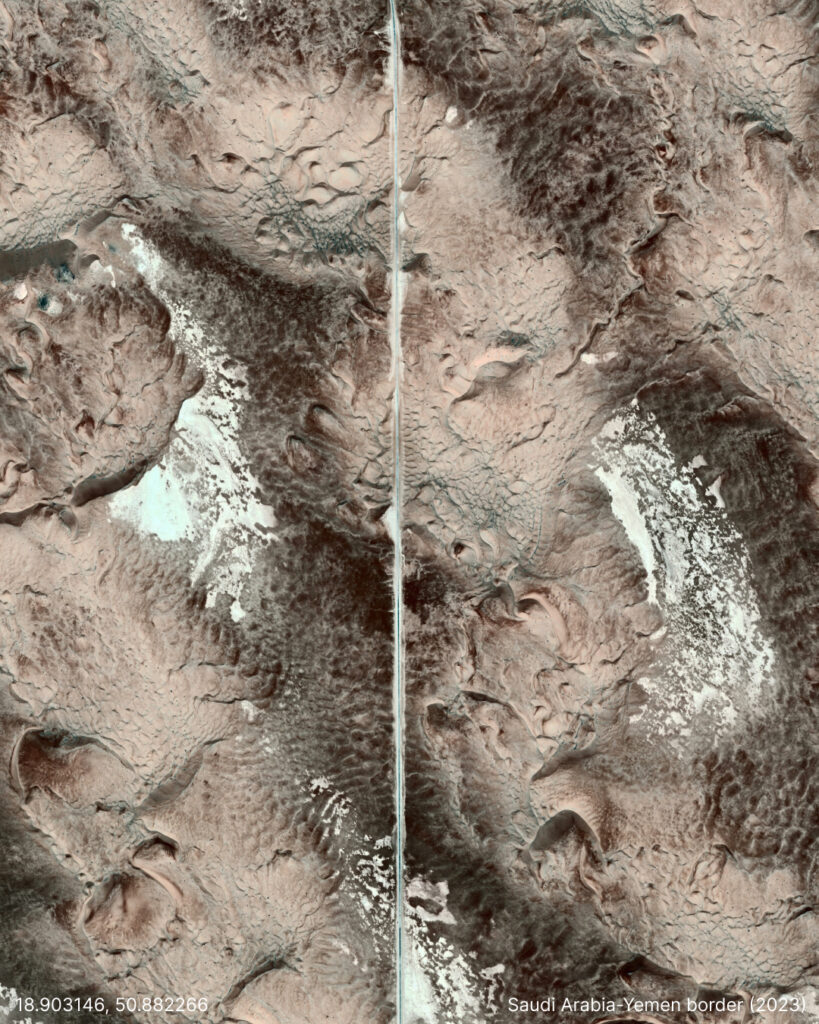
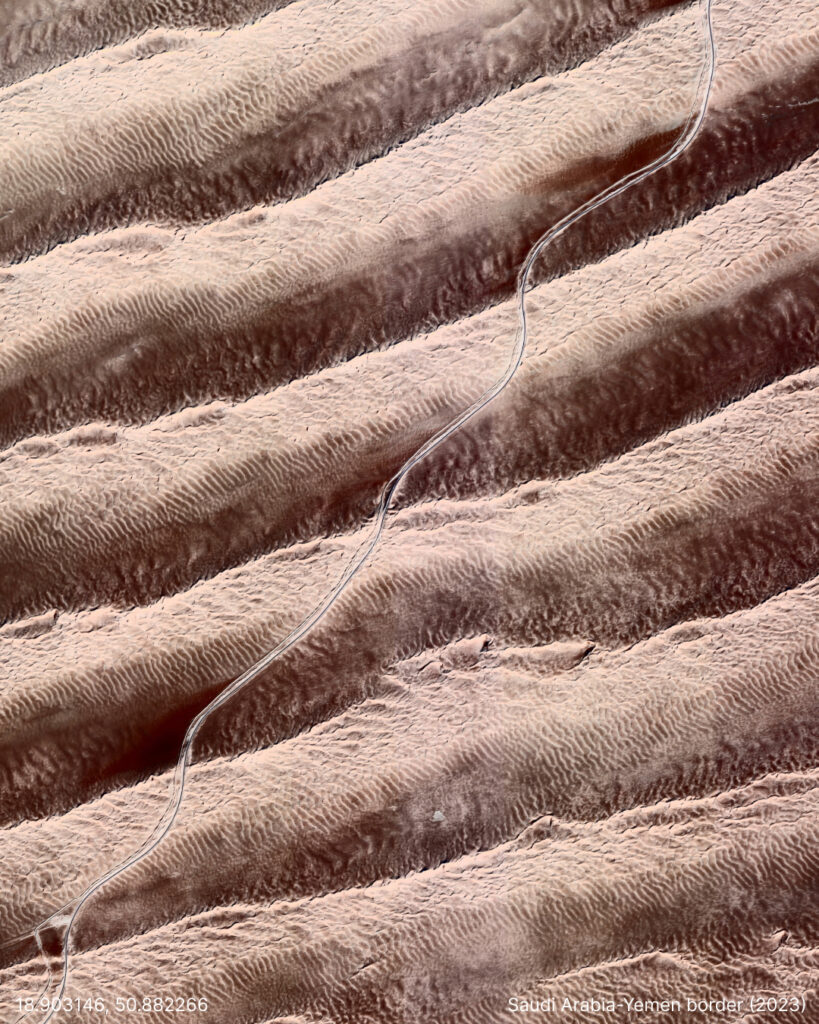
Saudi Arabia-Yemen

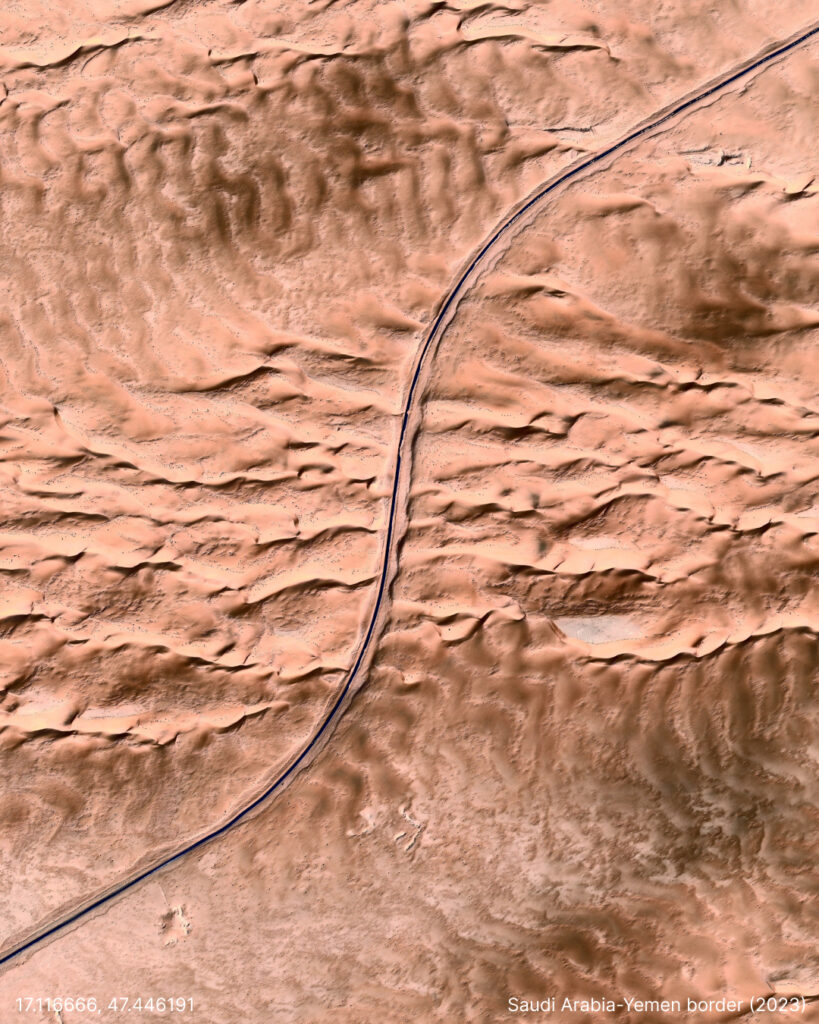
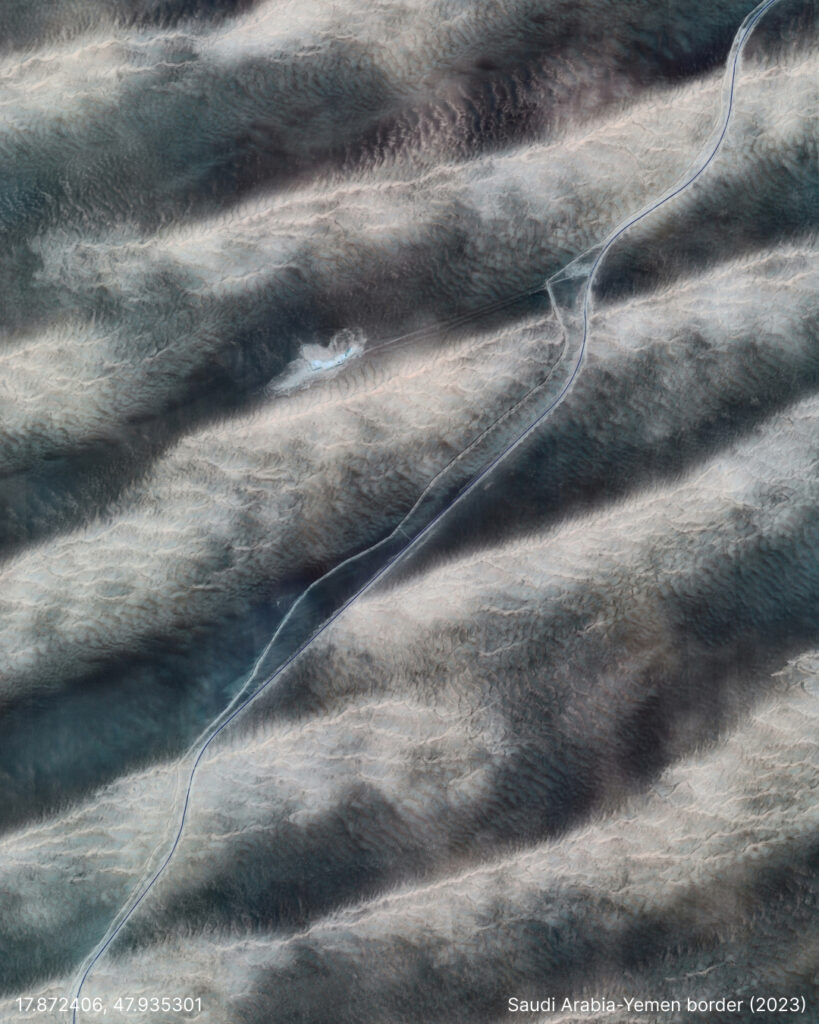
This barrier, started in 2003, extends along part of the 1,800-kilometer border between Saudi Arabia and Yemen. It is a 3-meter-high structure filled with concrete and equipped with electronic devices. The construction faced opposition from the Yemeni government, which claimed it violated the 2000 border treaty, leading to a suspension in 2004 after Egyptian and U.S. diplomatic intervention. Riyadh accused Yemeni smugglers of supplying explosives to radical Islamists, related to the 2003 Riyadh bombings.

In 2008, a new section was built to control the influx of Ethiopian and Somali migrants and refugees crossing Yemen into Saudi Arabia. Since 2017, Saudi Arabia has detained and forcibly repatriated thousands of Ethiopian migrants who crossed the border. By 2022, more than 30,000 migrants were still being held in deplorable conditions. Amnesty International and other organizations condemned these practices, citing severe human rights violations. Tensions between the two countries escalated, especially after Saudi intervention in Yemen in 2015, which included partial dismantling of the barrier.
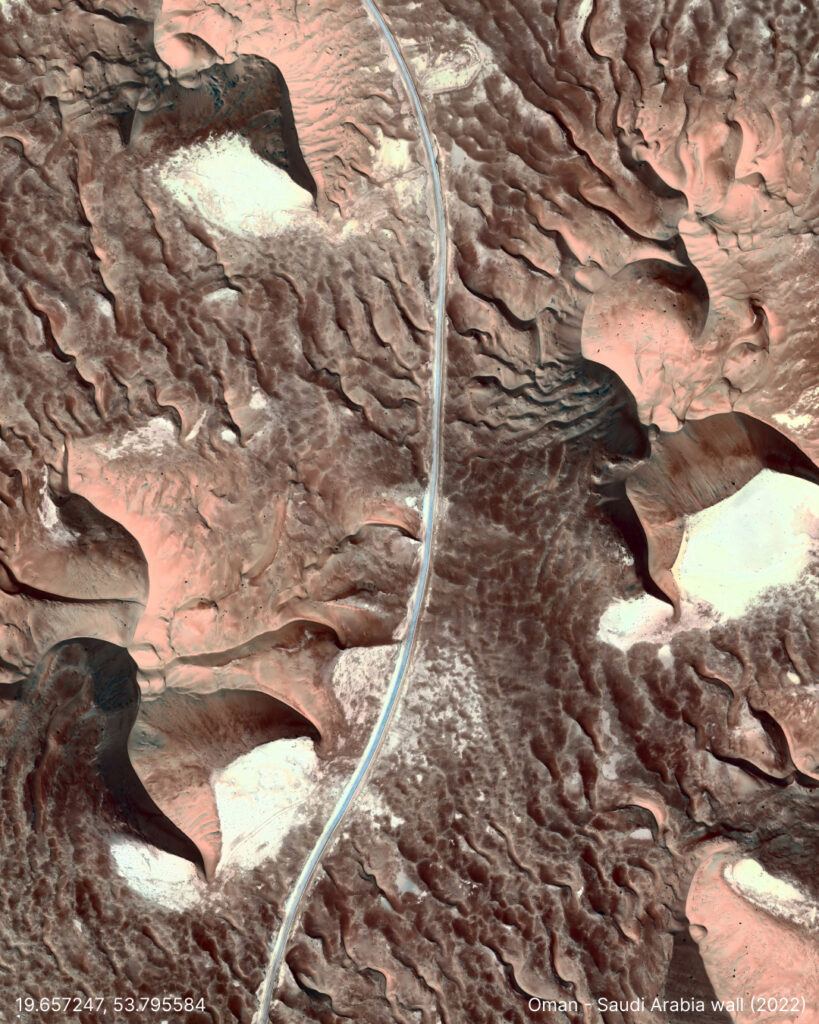
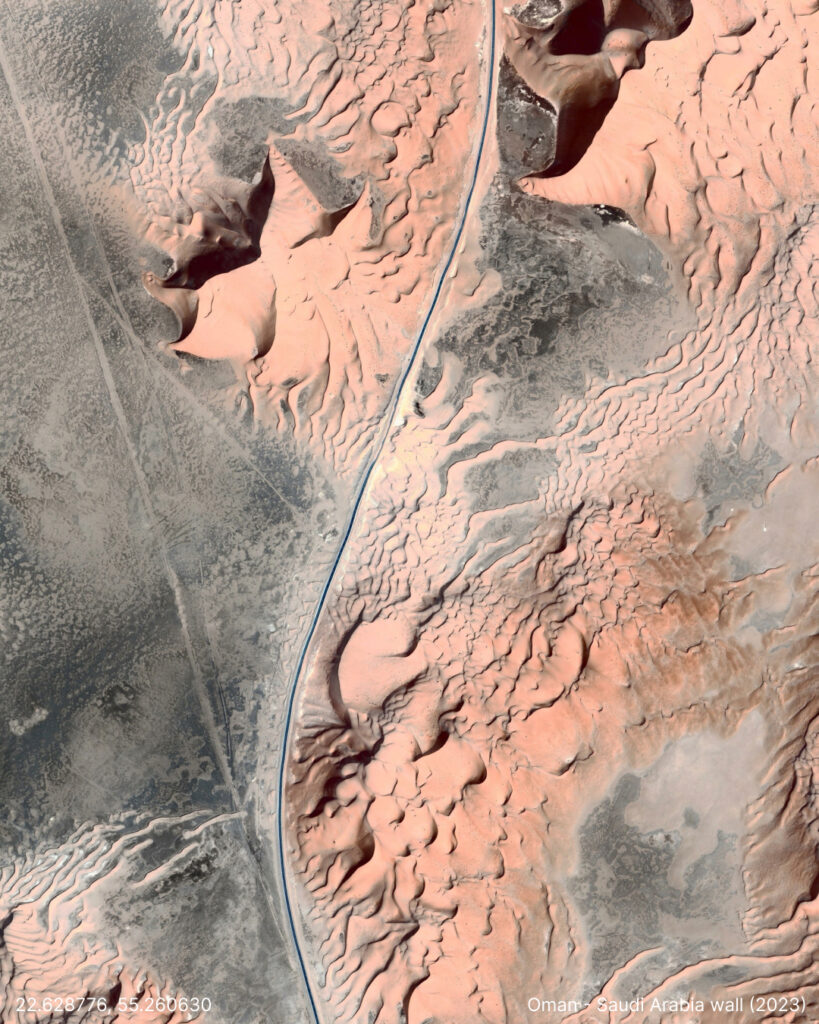
Saudi Arabia-Oman

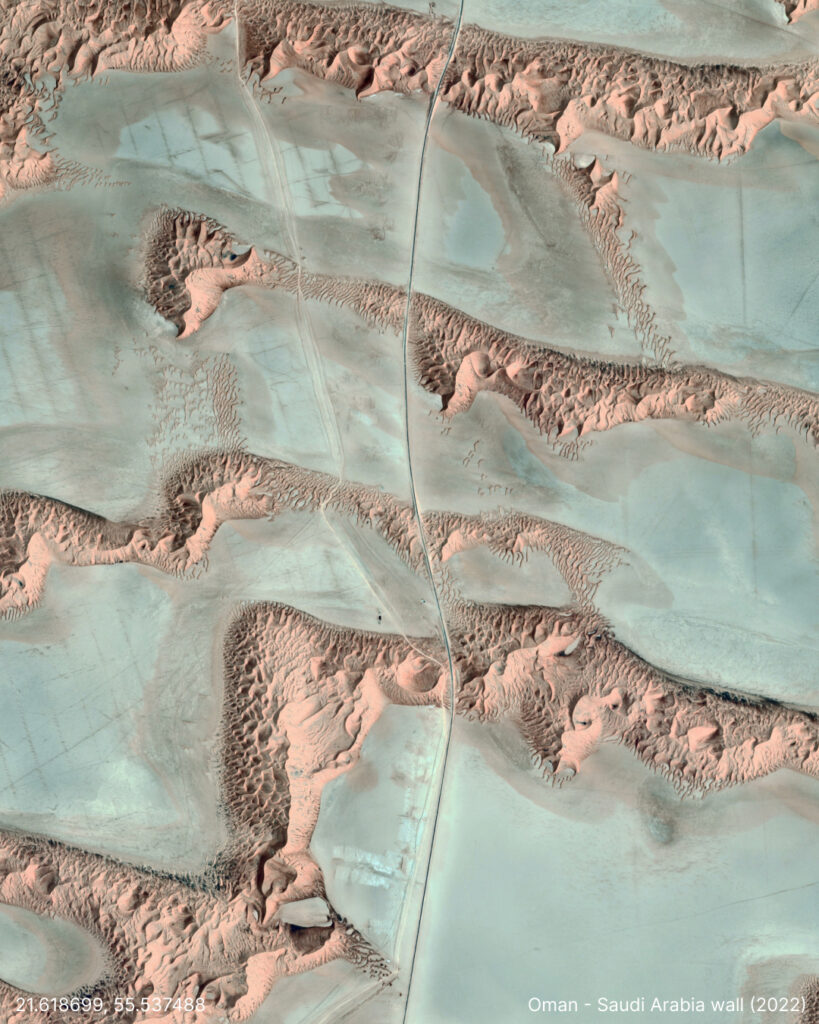
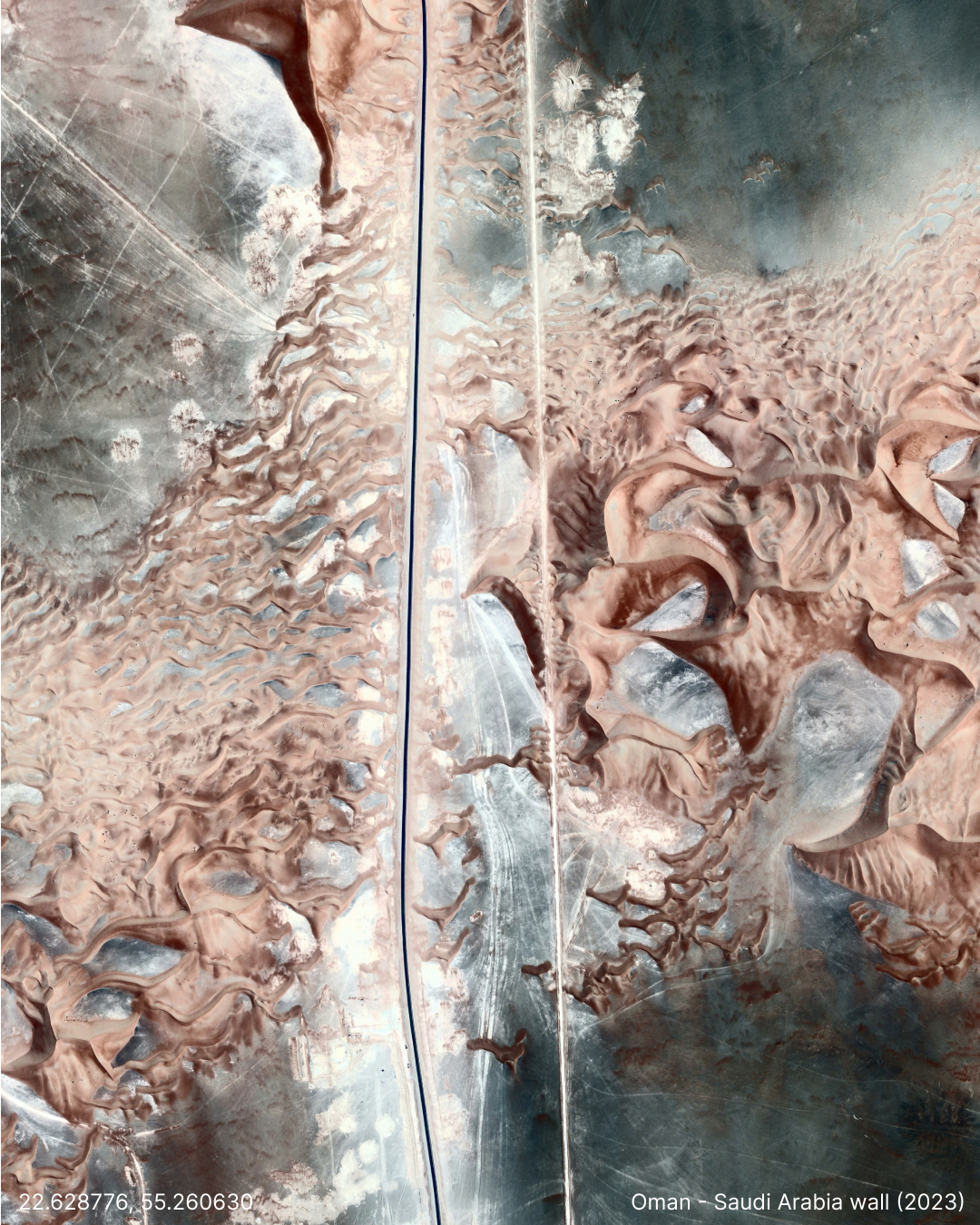
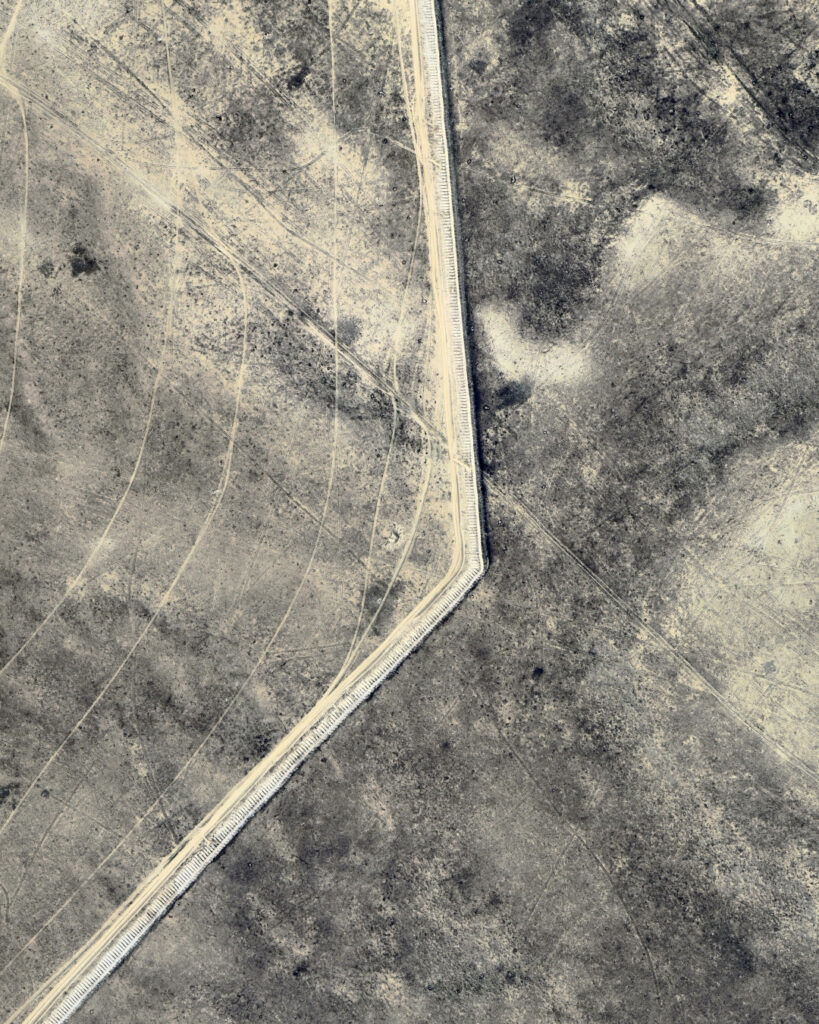
The border wall between Oman and Saudi Arabia, constructed in 2014, stretches approximately 800 kilometers, dividing the two countries in a remote desert region. This 3-meter-high wall is equipped with advanced surveillance systems, including motion sensors and thermal cameras. It was primarily built to combat illegal immigration and drug trafficking.

Oman – United Arab Emirates

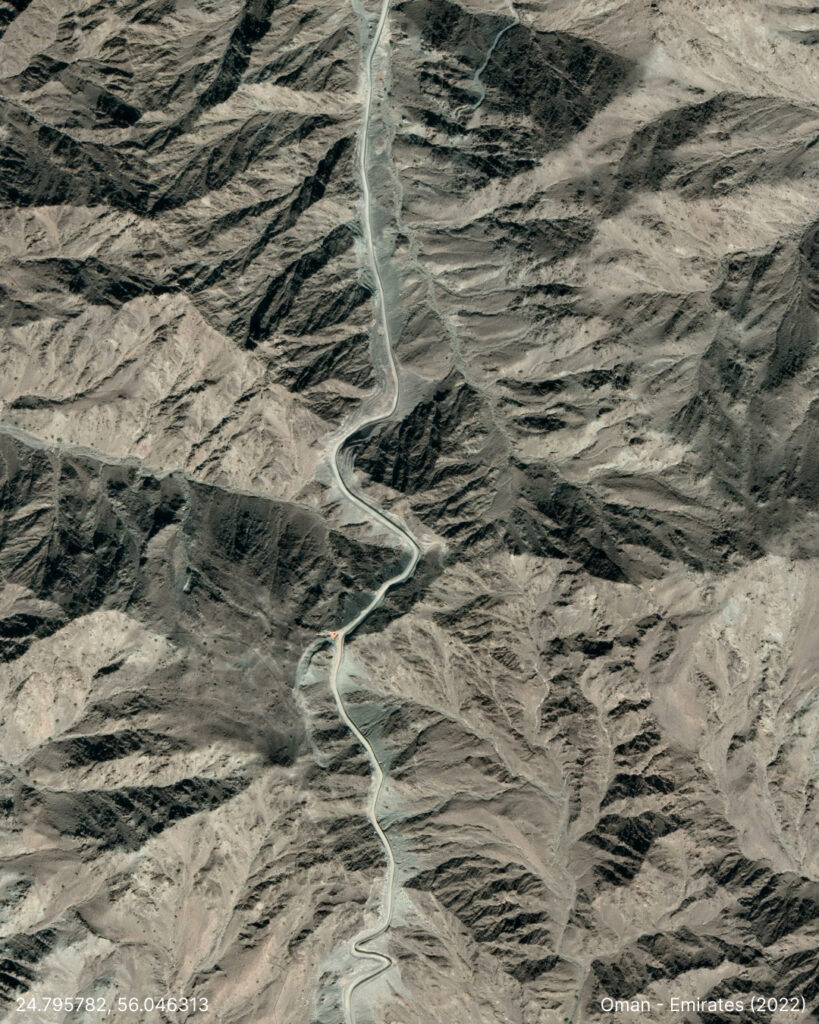
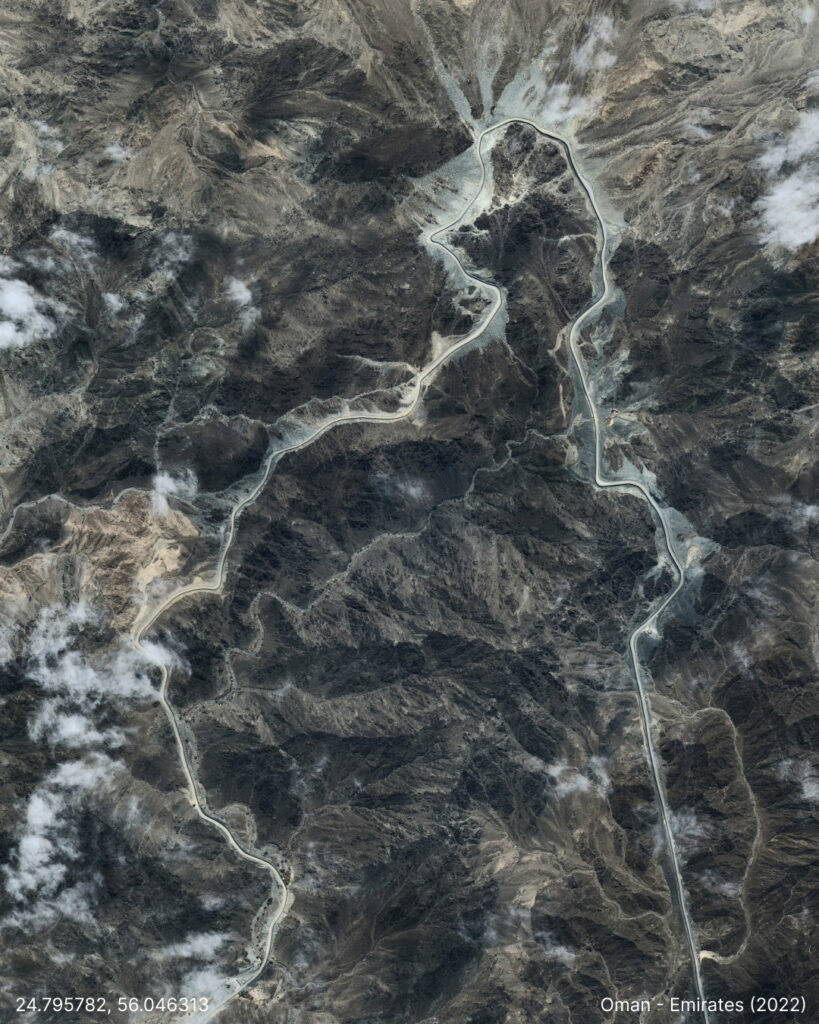
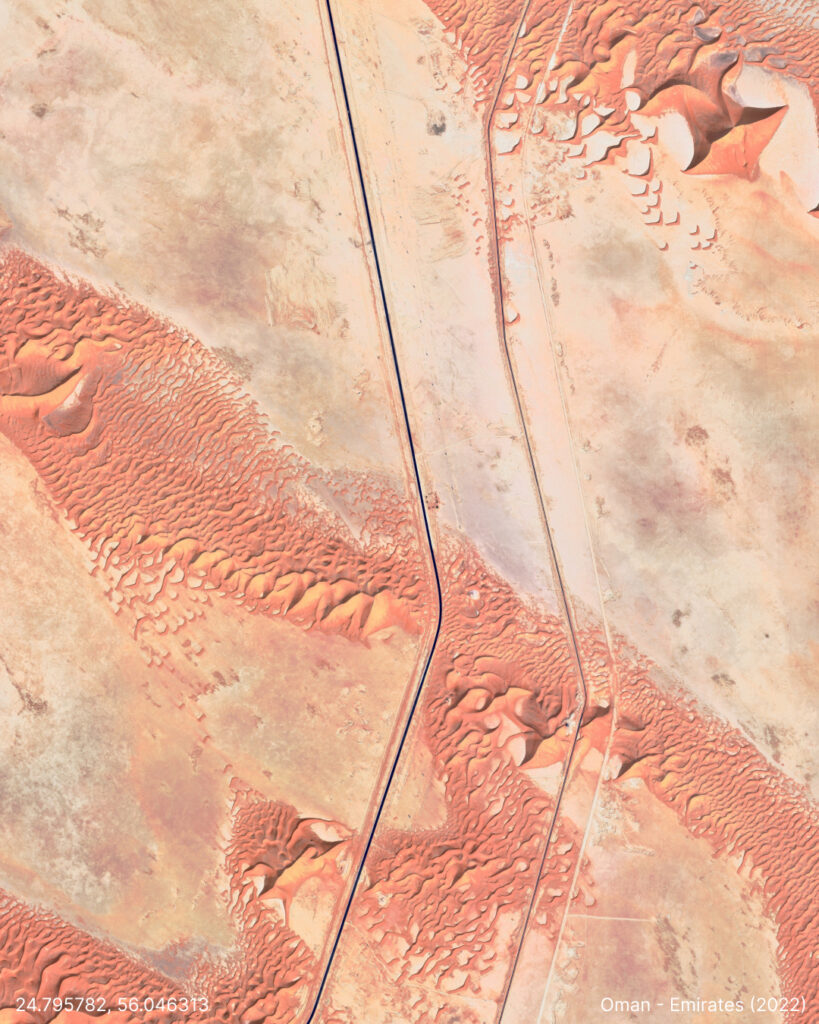
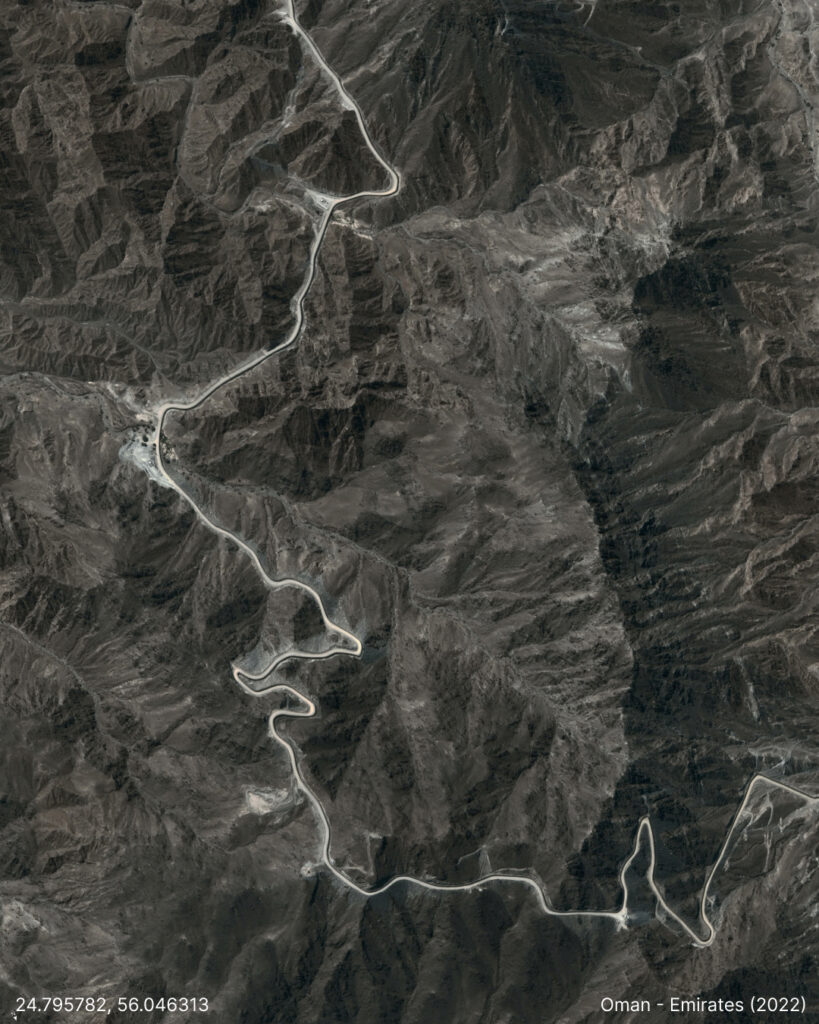
The border wall between Oman and Saudi Arabia, constructed in 2014, stretches approximately 800 kilometers, dividing the two countries in a remote desert region. This 3-meter-high wall is equipped with advanced surveillance systems, including motion sensors and thermal cameras. It was primarily built to combat illegal immigration and drug trafficking.

Saudi Arabia – Iraq

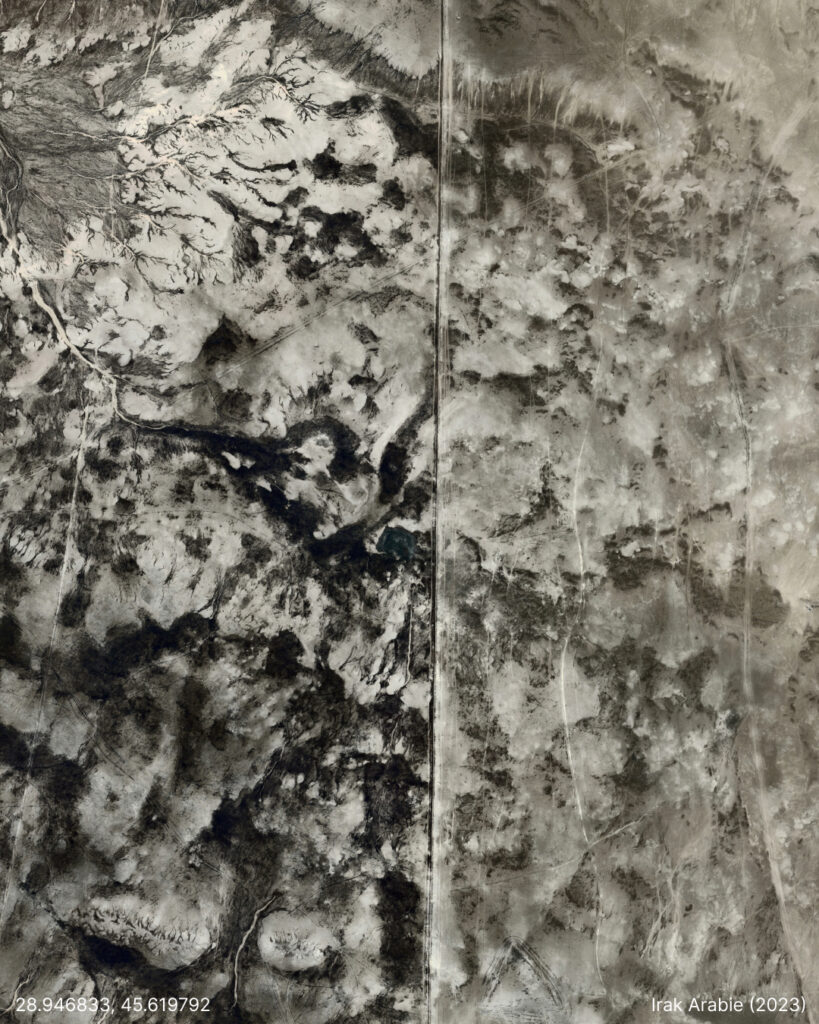
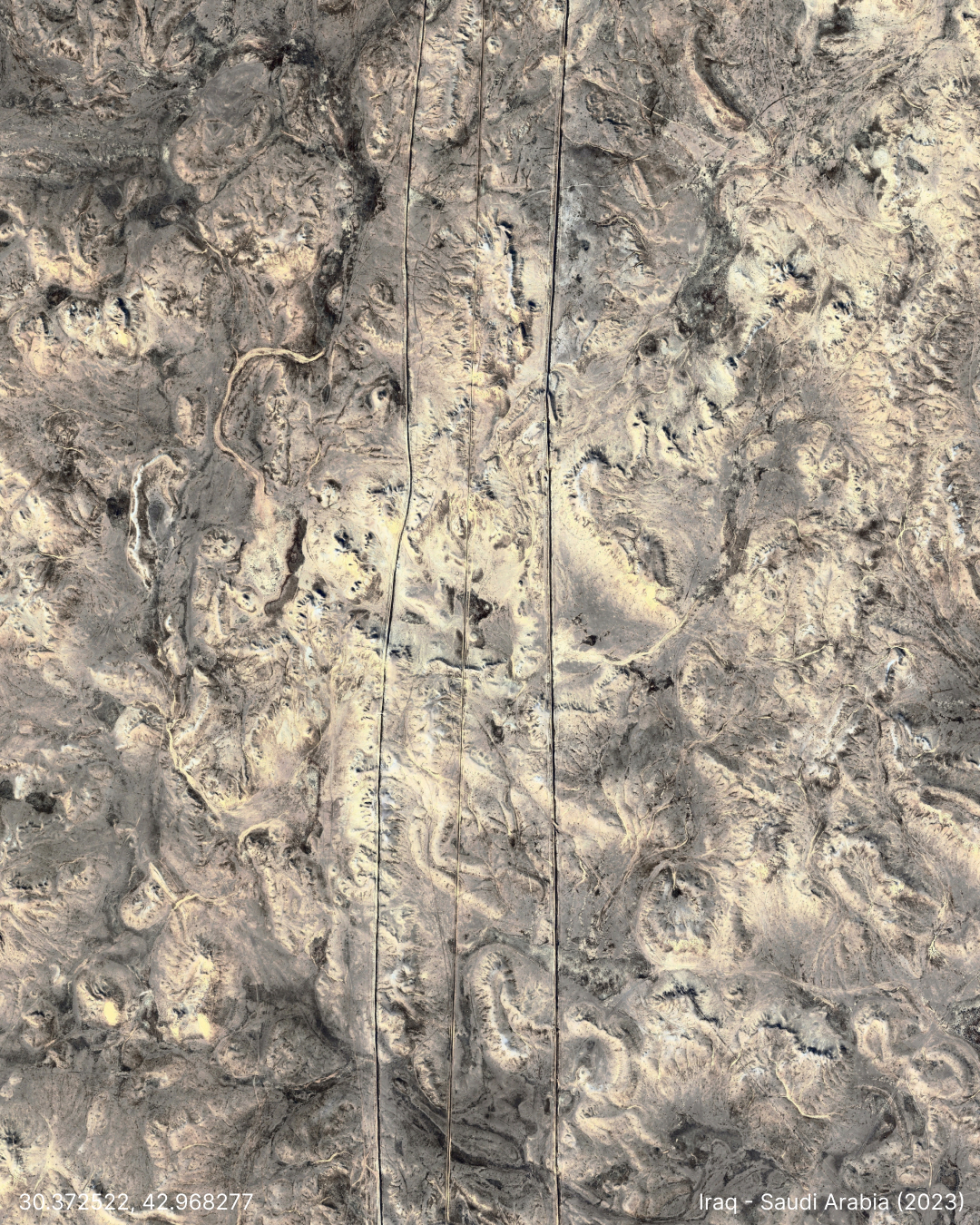
The Saudi-Iraq barrier is its sophisticated « smart » infrastructure, featuring buried fiber-optic sensors, high-frequency radars, and night-vision surveillance designed to create an impenetrable digital shield. While Saudi Arabia built it as a vital defense against regional instability and insurgent crossings from Iraq, the project remains controversial because it effectively « seals off » two nations with shared tribal and cultural heritage. Critics argue that it reinforces a siege mentality, disrupts traditional nomadic migration patterns, and serves as a physical reminder of the deep-seated political distrust in the Middle East, prioritizing rigid isolationism over collaborative diplomacy.

Iraq – Syria